The short answer
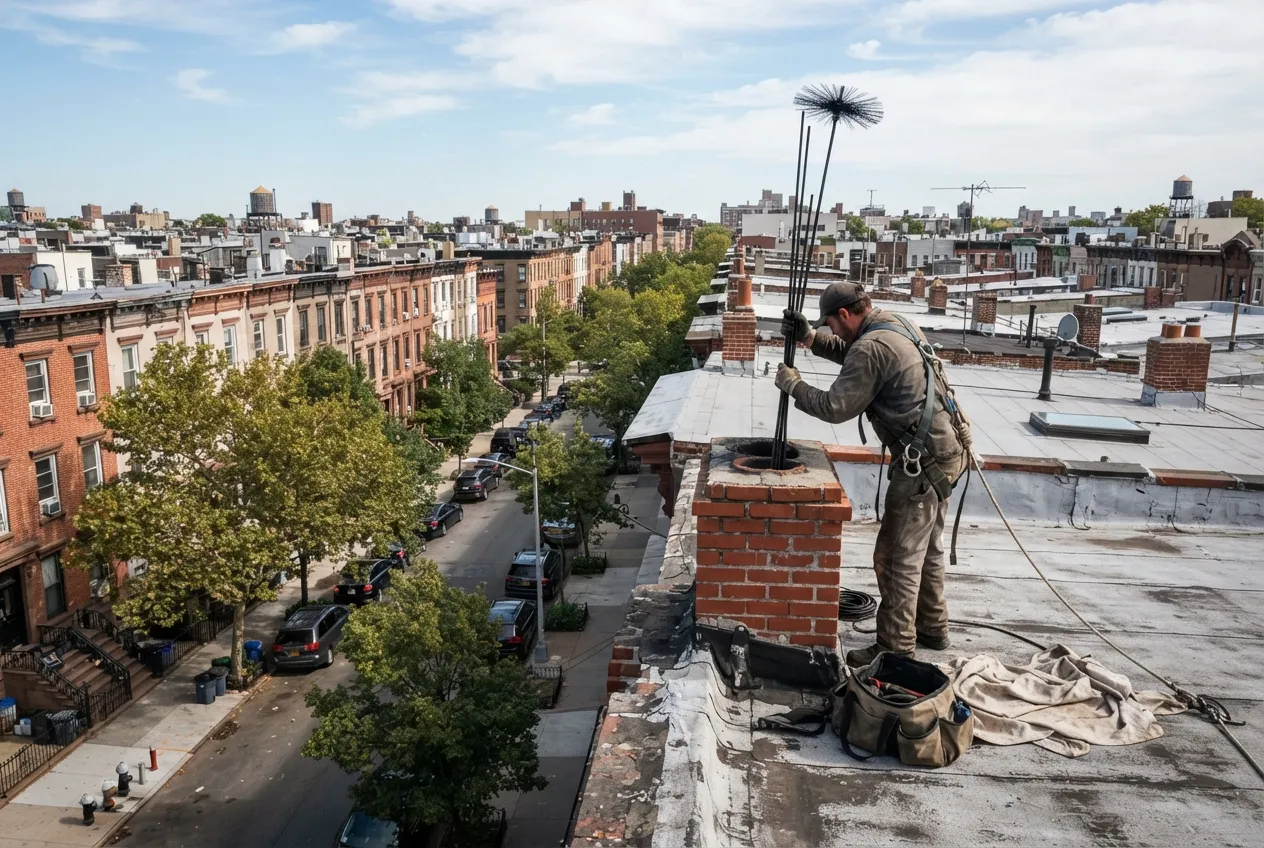
Most chimney repairs in Park Slope involve worn mortar joints, cracked crowns, leaking flashing, damaged flue liners, and liner work after an oil-to-gas boiler conversion. Our certified technicians inspect the chimney first, explain what we find in plain terms, and repair the masonry and flue so your fireplace or heating system vents safely.
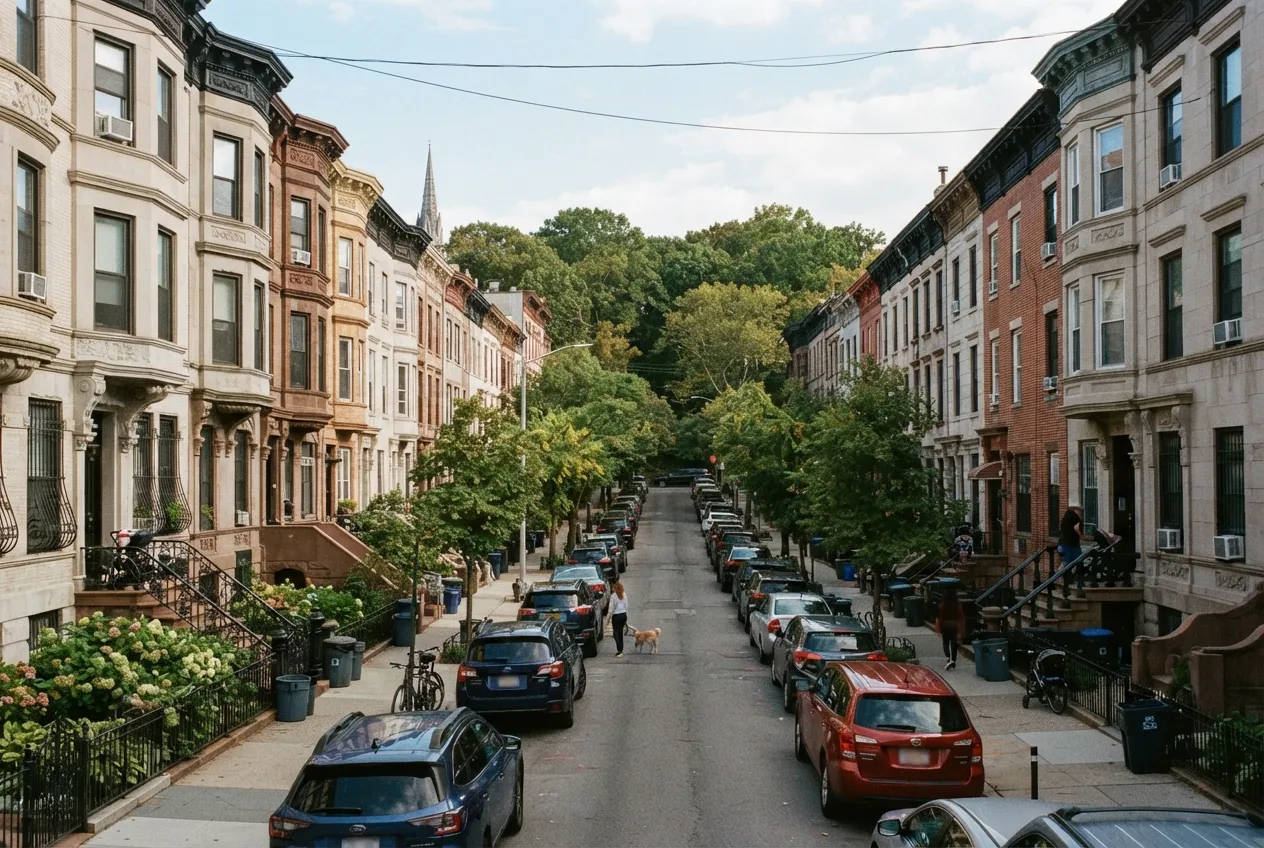
Park Slope is full of brownstones, brick rowhouses, and pre-war apartment buildings, and many of them still rely on chimneys that have been venting fireplaces and boilers for generations. Brick, mortar, and flue tiles don't last forever, especially through New York winters. All Star Chimney Sweep is based in Brooklyn, about a mile from Park Slope, and our certified technicians repair chimneys throughout the 11217 area. We start with an inspection, show you what we find, and fix the problems that affect safety and weather protection.
Common Chimney Problems in Park Slope Homes
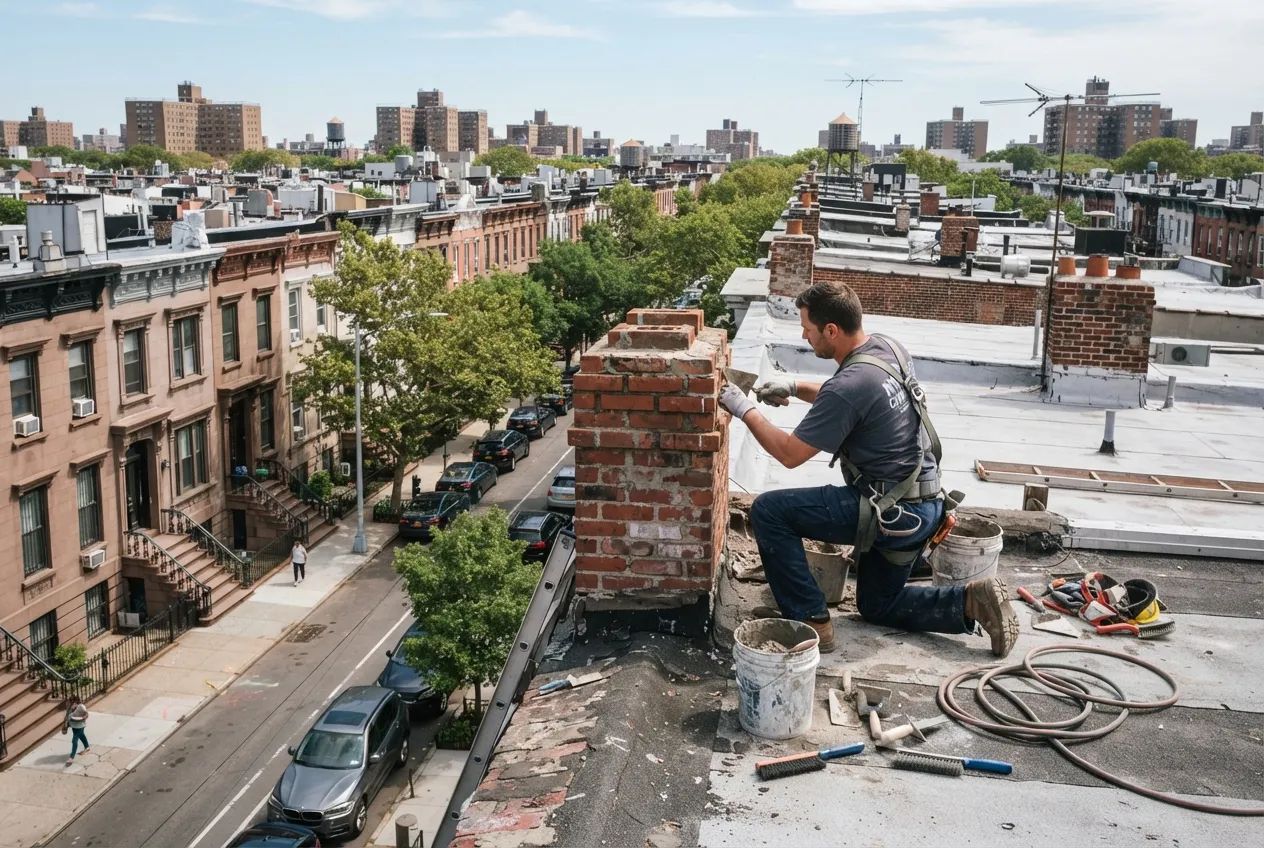
Older brick chimneys in rowhouses and brownstones tend to wear in predictable ways. Rooftop chimney stacks take the most weather, so that's usually where damage shows up first. Water is the main enemy. Once it gets into brick and mortar, freeze-and-thaw cycles widen small cracks a little more every winter.
Because Park Slope rowhouses often share walls and rooflines, a chimney problem can affect more than one room or even a neighbor's side. Catching it early keeps a small repair from becoming a larger rebuild.
- Crumbling or missing mortar joints (repointing needed)
- Cracked or deteriorated chimney crowns that let water into the stack
- Spalling brick, where the face of the brick flakes or pops off
- Failed flashing where the chimney meets the roof, causing leaks into top-floor rooms
- Cracked, shifted, or missing clay flue tiles
- Missing or rusted chimney caps that let in rain, debris, and animals
Oil-to-Gas Conversions and Chimney Liners
Many Park Slope buildings have switched their boilers from oil to gas. When a New York City building makes that conversion, the chimney has to be evaluated as part of the work. A new liner is often needed because gas exhaust produces acidic condensate that can corrode an unlined or clay-lined masonry flue over time.
If your building has converted, or you're planning a conversion, we can inspect the flue and tell you whether it's suitable for the new appliance. When a liner is needed, we size and install one that matches the equipment it serves, so exhaust leaves the building the way it should.
How We Approach a Repair
Every repair starts with an inspection. The NFPA 211 standard calls for chimneys, fireplaces, and vents to be inspected once a year. It describes three levels: Level 1 when nothing has changed, Level 2 when the system changes (such as a new appliance or a switch of fuel) or the home is sold, and Level 3 when a hidden hazard has to be reached by opening part of the chimney or building.
For most repair calls, we look at the stack from the roof, check the flue with a camera, and examine the firebox and damper. Then we explain what we found, what needs attention now, and what can wait. You decide how to proceed before any work begins.
Time for your annual chimney check?
Timing Your Repair Around Heat Season
New York City's heat season runs from October 1 through May 31. During those months, building owners must keep apartments heated to the city's minimum temperatures. If your boiler vents through a chimney that needs work, it's far easier to schedule repairs in late spring or summer than to deal with a flue problem once the heat has to stay on.
Masonry work such as repointing and crown repair also goes best in mild, dry weather. Mortar cures more reliably when it isn't freezing. If you've noticed a leak, loose brick, or a damper that won't seal, the warmer months are a good time to have it looked at.
Serving Park Slope and Nearby Neighborhoods
We work on single-family brownstones, multi-unit rowhouses, and pre-war apartment buildings across Park Slope. We also handle chimney repair in nearby Prospect Heights, Carroll Gardens, Cobble Hill, Gowanus, and Red Hook, where much of the housing stock is similar. If you're unsure whether your chimney needs repair or just a cleaning and inspection, we can start with an inspection and go from there.
More services in Park Slope
- Chimney Sweep in Park SlopeLocal service & repairs
- Chimney Inspection in Park SlopeLocal service & repairs
- Air Duct Cleaning in Park SlopeLocal service & repairs
- Chimney Liner Installation in Park SlopeLocal service & repairs