The short answer
A new chimney liner is usually needed when an older flue is cracked or unlined, or when you convert from oil to gas or install a new appliance. We inspect the flue with a camera, size the right liner for your appliance and fuel, and install it from the roof down. Park Slope brownstones, rowhouses and pre-war buildings are a common fit for this work.
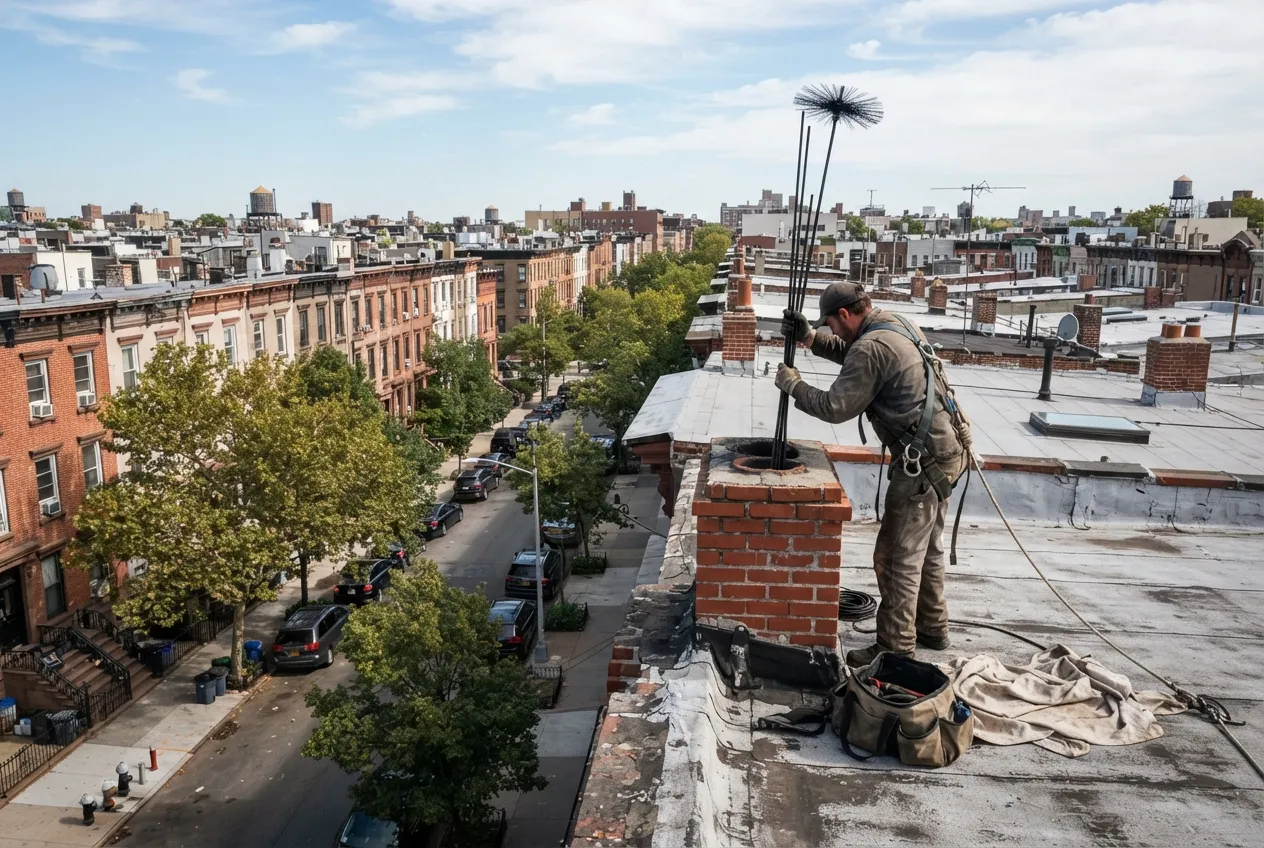
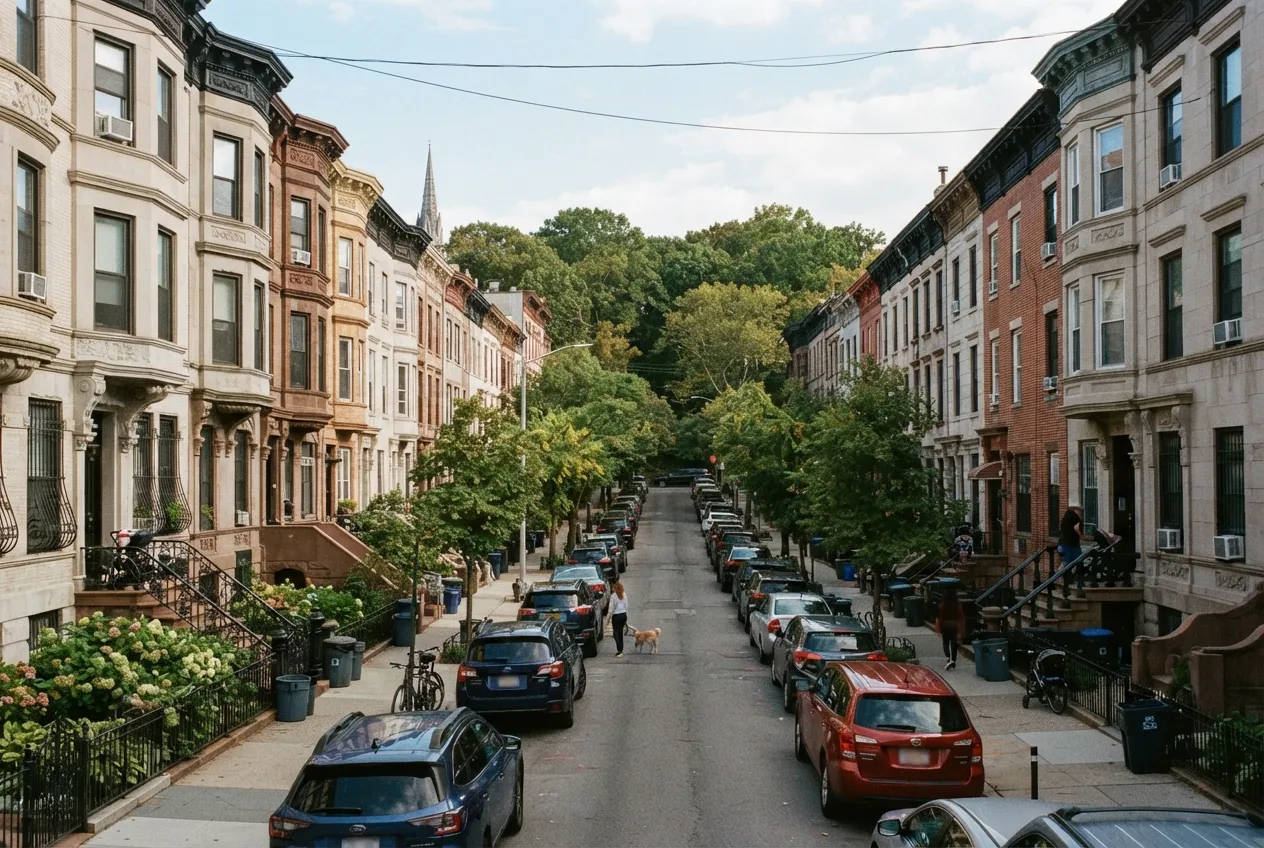
If your Park Slope home heats with a boiler, furnace, water heater or wood fireplace that vents through an older masonry chimney, the flue liner is the part doing the real work. It contains hot exhaust, protects the surrounding brick and wood framing, and keeps the draft steady so combustion gases leave the house instead of lingering inside. All Star Chimney Sweep installs chimney liners in brownstones, rowhouses and pre-war apartment buildings across Park Slope (11217). The neighborhood is about a mile southeast of our Brooklyn office, and we also work in nearby Prospect Heights, Carroll Gardens, Cobble Hill, Gowanus and Red Hook.
Why Older Park Slope Chimneys Often Need a New Liner
Many of the neighborhood's brownstones and rowhouses have chimneys that have served several generations of heating equipment. Original clay tile liners can crack, shift or lose mortar at the joints, and some older flues were built with no liner at all. Over time, heat, moisture and freeze-thaw cycles open gaps that let exhaust and condensation reach the masonry.
These are common signs that a liner needs attention:
- Crumbling mortar or bits of brick at the base of the flue or in the cleanout
- White staining or damp patches on interior walls next to the chimney
- Pieces of broken tile turning up during a sweep
- Draft problems, such as smoke spilling into the room or a boiler that struggles to vent
- A camera inspection showing cracks, gaps or missing sections
Oil-to-Gas Conversions and New Appliances
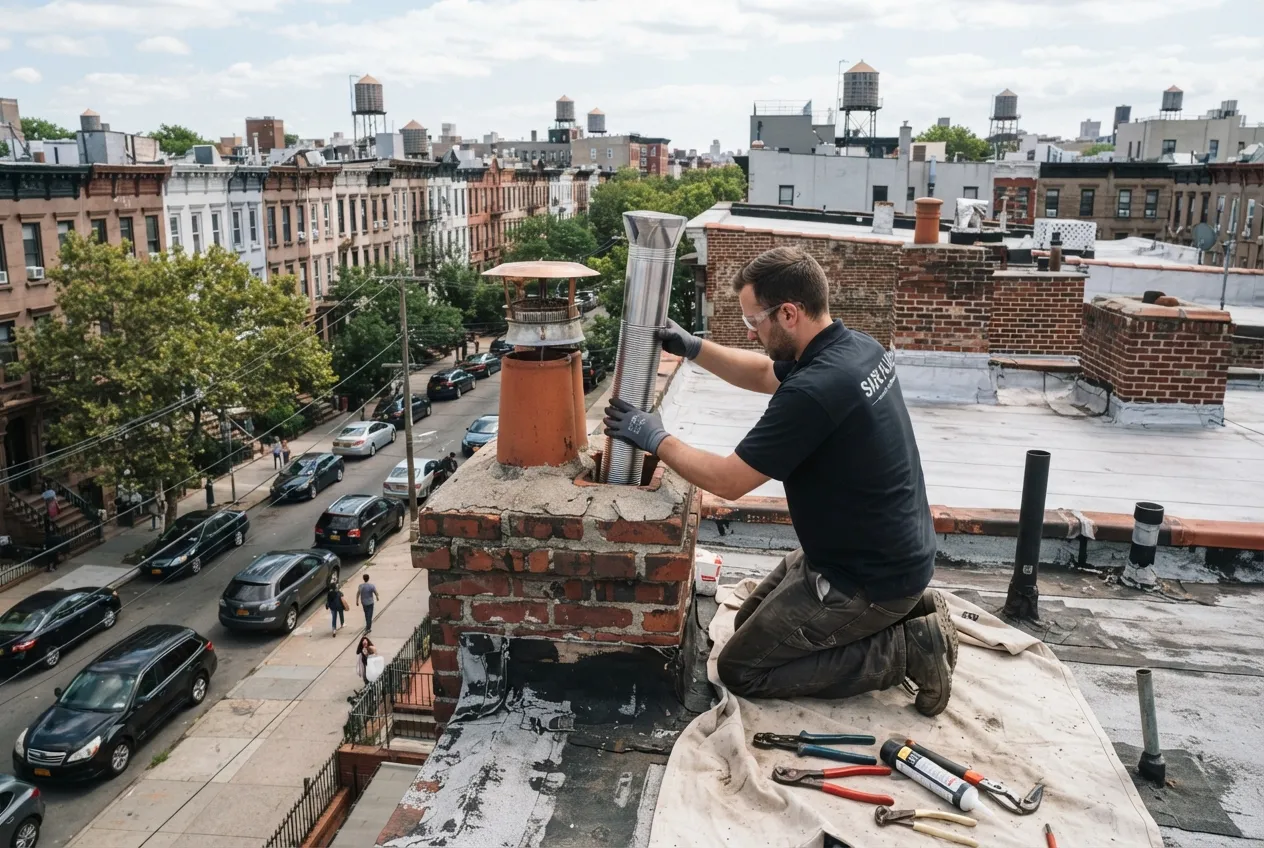
Boiler conversions are one of the most common reasons chimneys get relined in Brooklyn. When a New York City building converts its boiler from oil to gas, the chimney has to be evaluated as part of the work. A new liner is often needed because gas exhaust produces acidic condensate that can corrode a masonry flue.
The same thinking applies when you replace a water heater, add a new appliance or switch fuels for any reason. Under the NFPA 211 standard, a change to the venting system calls for a Level 2 inspection. That inspection tells us whether the existing liner can stay, needs repair or should be replaced. It also tells us what size the new liner has to be for the appliance it will serve.
Matching the Liner to Your Chimney
No single liner is right for every Park Slope home. We choose and size the liner based on the appliance, the fuel, the shape of the flue and any bends in the chimney run.
In attached homes and multi-unit buildings, we also check whether more than one appliance vents into the same chimney and how neighboring flues are arranged. Both affect the liner's sizing and layout.
- Stainless steel liners, flexible or rigid, suited to gas, oil and wood appliances and able to follow the offsets common in rowhouse chimneys
- Aluminum liners for certain gas appliances, where the appliance maker allows them
- Cast-in-place liners, a poured lining that can also reinforce deteriorated masonry
- Insulation wrap where clearances or draft call for it, which helps the flue warm up quickly and limits condensation
Time for your annual chimney check?
What Installation Involves
Most liner jobs follow the same basic steps:
Roof access on attached houses and taller buildings takes some planning. We look at access during the inspection and explain what to expect before work begins.
- Inspect the flue with a camera and measure its height and inside dimensions
- Clean the chimney so the new liner goes into a clear passage
- Remove broken tile or obstructions where needed
- Lower the liner from the roof and connect it to the appliance at the base
- Install a top plate and rain cap to keep out water and animals
- Test the draft and review the camera footage with you
Planning Around the Heating Season
New York City's heat season runs from October 1 through May 31. During those months, building owners must keep apartments heated to the city's minimum temperatures. If you own a multi-family brownstone or a pre-war building in Park Slope, a liner failure in the middle of winter can leave you scrambling to keep tenants warm.
Scheduling the inspection and any liner work in late spring or summer gives you time to plan. After installation, keep up with yearly inspections, which NFPA 211 calls for on every chimney, fireplace and vent.
More services in Park Slope
- Chimney Sweep in Park SlopeLocal service & repairs
- Chimney Inspection in Park SlopeLocal service & repairs
- Chimney Repair in Park SlopeLocal service & repairs
- Air Duct Cleaning in Park SlopeLocal service & repairs