The short answer
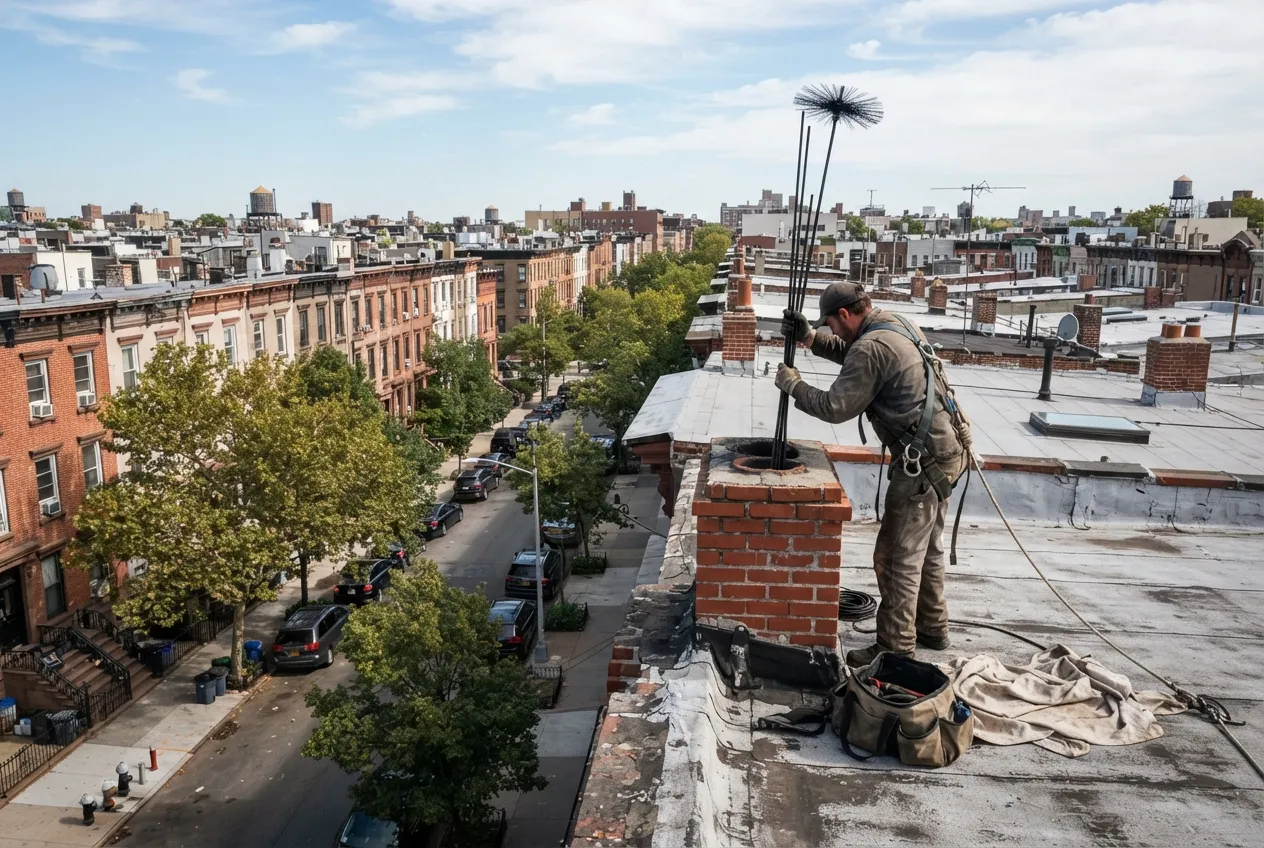
Park Slope homeowners should have their chimney inspected once a year, as the NFPA 211 standard recommends, and again whenever they change appliances, switch fuels or buy or sell a home. Our certified technicians check the flue, liner, masonry and connections and explain what we find in plain terms.
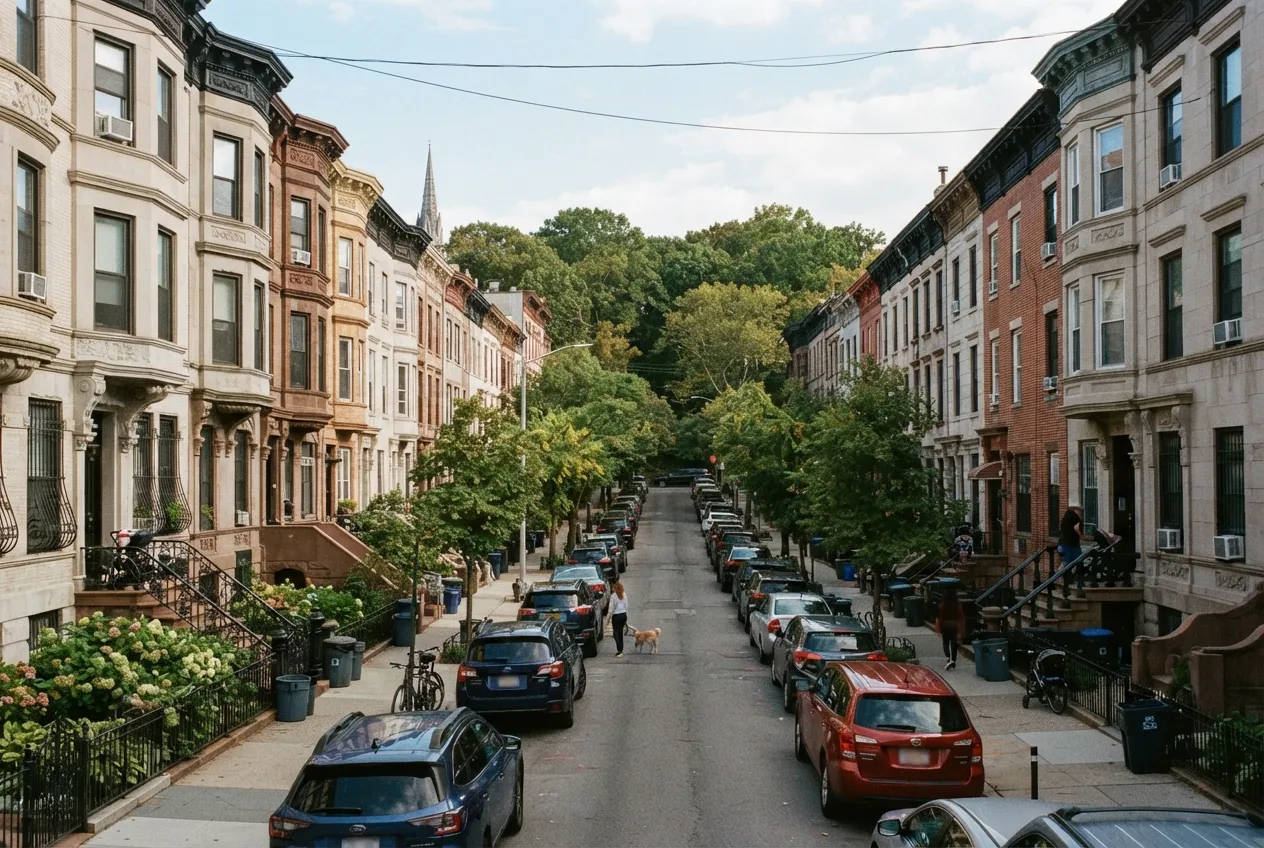
Many Park Slope homes have chimneys that have been working for generations. Brownstones and rowhouses often have several flues in one shared stack, and some original fireplaces have been closed off, reopened or converted over the years. Pre-war apartment buildings may run a boiler flue through masonry built long before modern heating equipment. All Star Chimney Sweep is based about a mile northwest of Park Slope, and our certified technicians inspect chimneys throughout the neighborhood and the 11217 ZIP code. An inspection tells you what condition your chimney is in, whether it is safe to use, and what needs attention before the heating season.
Why Park Slope Chimneys Need Regular Inspection
Chimneys in older brownstones and rowhouses face problems newer homes usually don't. Mortar joints wear down after decades of freeze-thaw cycles. Clay flue tiles can crack or shift. Original unlined flues may still be carrying exhaust from a modern furnace or boiler. Because many of these homes share party walls with neighbors, a damaged flue can let heat or exhaust reach places it shouldn't.
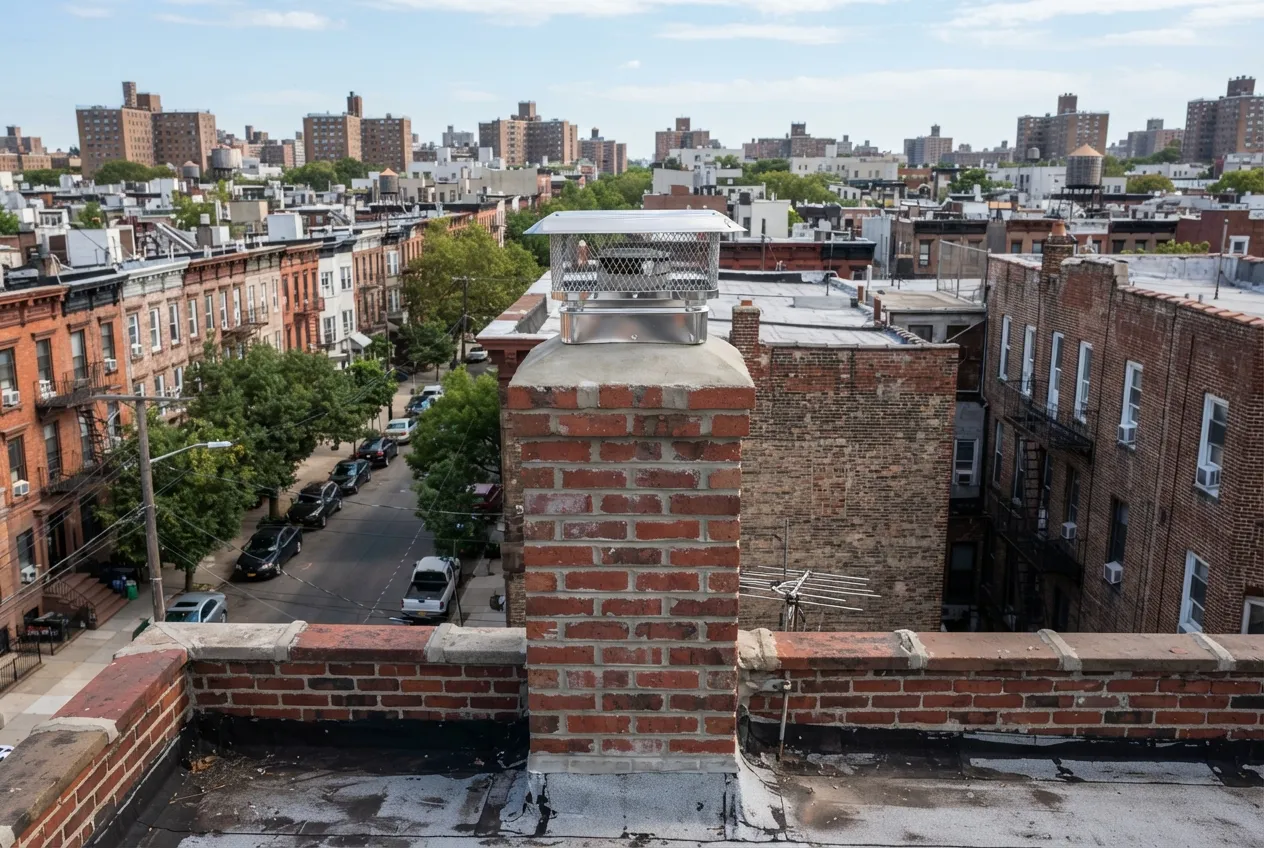
Much of this damage can't be seen from the fireplace opening or the street. Water can get in through a worn crown or missing cap and quietly deteriorate masonry inside the stack. A yearly inspection catches these issues while they are still small and before they turn into a safety hazard or a major rebuild.
The Three Inspection Levels and When You Need Each
The NFPA 211 standard calls for chimneys, fireplaces and vents to be inspected once a year. Chimney professionals use three levels of inspection, and the right one depends on your situation.
- Level 1: For a chimney in regular use when nothing about the system has changed. We examine the accessible parts of the chimney, the fireplace or appliance connection, and check for blockages and buildup.
- Level 2: Needed when something changes, such as a new appliance, a switch of fuel, or the sale of a home. This includes a camera inspection of the flue interior and a look at accessible areas like attics and basements.
- Level 3: Reserved for cases where a hidden hazard is suspected and can only be reached by opening part of the chimney or the building. We only recommend this when a Level 1 or Level 2 inspection points to a concern that needs it.
Oil-to-Gas Conversions in Park Slope Buildings
Many Park Slope brownstones and apartment buildings have moved their boilers from oil to gas. When a New York City building makes that conversion, the chimney has to be evaluated as part of the work. Gas exhaust produces acidic condensate that can corrode a masonry flue, so a new liner is often needed.
If you are planning a conversion or have recently finished one, a Level 2 inspection shows whether your existing flue can safely handle the new appliance. We look at the liner, the flue size, the connection and the condition of the masonry, then explain what the conversion requires so you can plan the work with your heating contractor.
Time for your annual chimney check?
Timing Your Inspection Around Heat Season
New York City's heat season runs from October 1 through May 31. During those months building owners must keep apartments heated to the city's minimum temperatures. For owners of multi-family brownstones and pre-war buildings, a boiler chimney problem in the middle of winter can make that hard to do.
Scheduling your inspection in late spring or summer gives you time to handle any repairs before the boiler is running full-time. It works the same way for wood-burning fireplaces: an inspection before the first cold snap lets you use the fireplace with confidence.
What to Expect During Your Inspection
Our technician starts by asking how you use the chimney, which appliances vent through it, and whether anything has changed since the last inspection. We then check the firebox, damper, smoke chamber, flue, liner and connections. Outside, we look at the crown, cap, flashing and masonry wherever they can be safely reached. When a camera inspection is called for, we review the flue interior section by section.
Afterward we walk you through what we found, show you photos where they are useful, and explain which items need attention now and which can wait. We also serve nearby Prospect Heights, Carroll Gardens, Cobble Hill, Gowanus and Red Hook.
More services in Park Slope
- Chimney Sweep in Park SlopeLocal service & repairs
- Chimney Repair in Park SlopeLocal service & repairs
- Air Duct Cleaning in Park SlopeLocal service & repairs
- Chimney Liner Installation in Park SlopeLocal service & repairs