The short answer
A chimney liner protects your masonry and lets your boiler, water heater, or fireplace vent safely. In Fort Greene's older brownstones and pre-war buildings, liners are often needed after an oil-to-gas conversion, a new appliance, or when an inspection finds a damaged clay flue. All Star Chimney Sweep inspects first, then sizes and installs the right liner for your system.
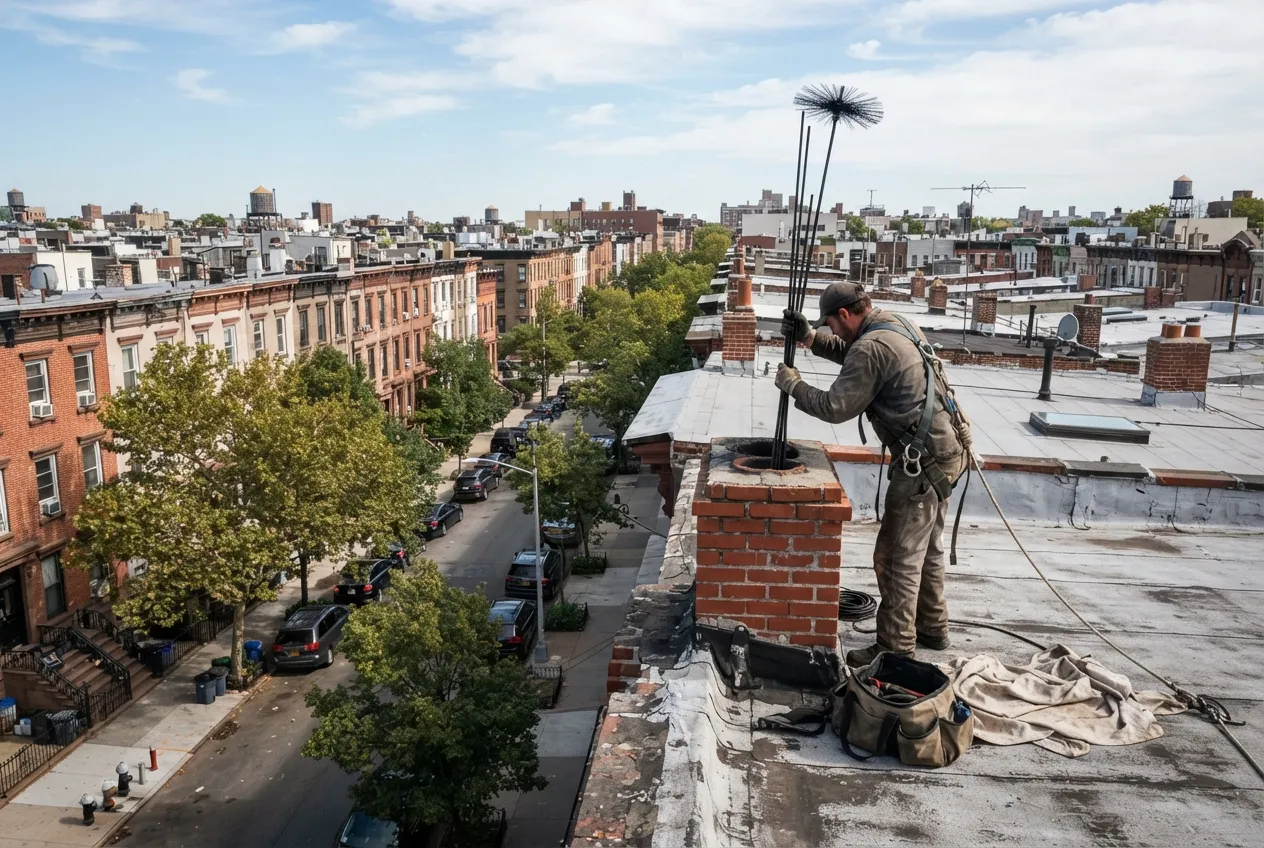
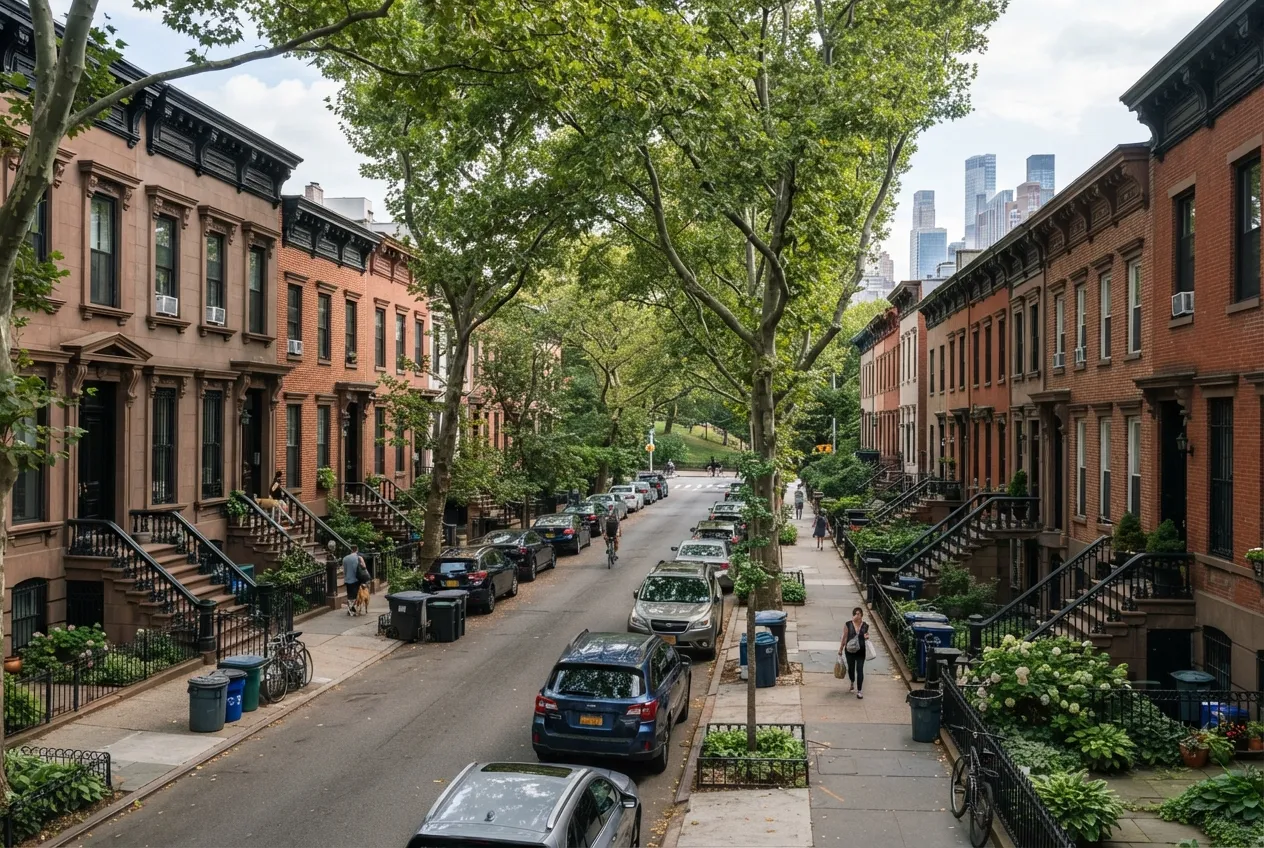
Many Fort Greene homes are brownstones, rowhouses, and pre-war apartment buildings whose chimneys were built long before today's boilers, water heaters, and fireplace inserts. The flue liner inside the chimney does a quiet but important job. It carries hot exhaust and combustion gases up and out, and it keeps heat and corrosive byproducts away from the surrounding brick and framing. When that liner is cracked, missing, or the wrong size for the appliance, the chimney can't vent safely. All Star Chimney Sweep installs chimney liners for homes and buildings throughout Fort Greene, about a mile northeast of our Brooklyn office. Our certified technicians inspect the flue before recommending any work.
Why Liners Matter in Fort Greene's Older Buildings
Much of Fort Greene's housing is masonry construction from well over a century ago. Some of these chimneys were built with clay tile liners. Others have bare brick flues that were never lined at all. Over decades, freeze-thaw cycles, settling, chimney fires, and constant exposure to exhaust can crack tiles, wash out mortar joints, and leave gaps where heat and gases reach the brick.
A damaged flue can let carbon monoxide find its way into living spaces. It can also let heat travel toward nearby wood framing or cause draft problems that make an appliance run poorly. Because rowhouses share party walls, a problem in one chimney can matter to the neighbors too. The NFPA 211 standard calls for chimneys, fireplaces, and vents to be inspected once a year. That yearly check is usually where liner problems first come to light.
Oil-to-Gas Conversions and New Appliances
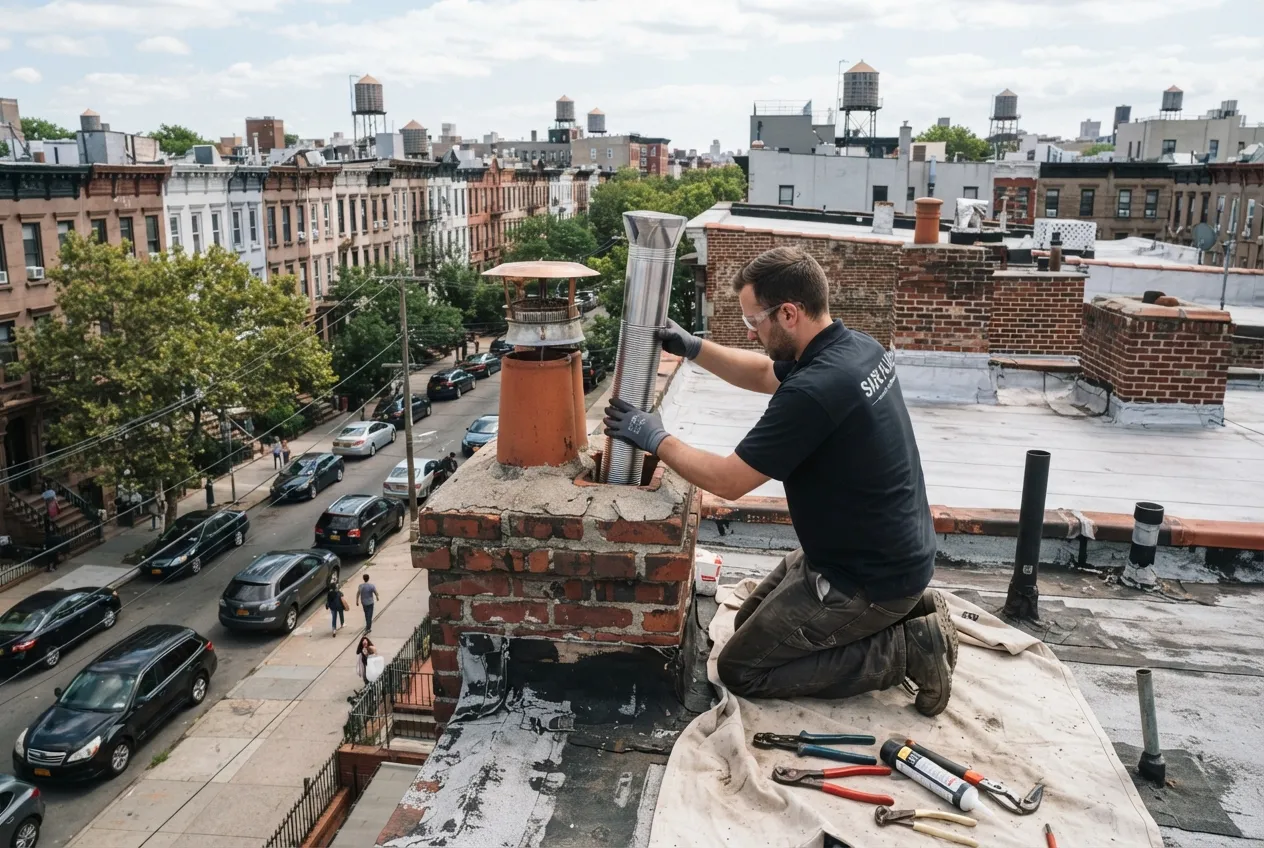
Many Fort Greene buildings have switched their heating from oil to gas, or are planning to. When a New York City building converts its boiler from oil to gas, the chimney has to be evaluated as part of the work. A new liner is often needed because gas exhaust produces acidic condensate that can corrode a masonry flue. A chimney that handled oil exhaust for years may not hold up once gas appliances are venting into it.
The same thinking applies when you replace a boiler or water heater, or add a fireplace insert. Inspectors use a Level 2 inspection whenever the system changes, such as a new appliance or a switch of fuel. Level 2 also applies when a home is sold. This inspection tells us whether the existing flue can safely serve the new equipment or whether it needs a properly sized liner.
Choosing the Right Liner for Your Chimney
There is no single liner that fits every Fort Greene chimney. We base the recommendation on the appliance, the fuel, the size and shape of the flue, and the condition of the masonry. Common options include:
- Stainless steel liners, flexible or rigid, used for gas, oil, and many wood-burning appliances
- Liners sized to match the venting needs of a specific boiler or water heater
- Insulated liner systems that help keep flue gases warm and improve draft in tall or exterior chimneys
- Insert liners that connect a wood or gas fireplace insert to the top of the chimney
- Cast-in-place or relining approaches for some masonry flues where they suit the structure
Time for your annual chimney check?
How Liner Installation Works
Every job starts with a look inside the flue, often with a camera. That way we're working from what is actually there, not from guesses. In tight brownstone and rowhouse settings, we also plan roof access and protect interior finishes before any work begins.
A typical installation follows these steps:
- Inspect the chimney and confirm the appliance and fuel it will serve
- Measure the flue and select a liner of the correct size and type
- Clean the chimney so the new liner goes into a clear passage
- Lower the liner from the roof and connect it to the appliance at the base
- Install the top plate and cap to keep out rain, debris, and animals
- Check draft and connections, then walk you through what was done
Timing Your Project Around Heat Season
New York City's heat season runs from October 1 through May 31. During those months, building owners must keep apartments heated to the city's minimum temperatures. If you own a multi-family brownstone or a pre-war building in Fort Greene, a boiler that can't run because of a venting problem is a serious issue for your tenants.
Scheduling liner work in late spring or summer gives you time to finish conversions and repairs before the heating months begin. If an inspection during the season finds a failed liner, we'll explain your options and help you plan the work with as little disruption as possible.
Serving Fort Greene and Nearby Neighborhoods
We work throughout Fort Greene, including ZIP code 11205, and in the surrounding neighborhoods of Downtown Brooklyn, DUMBO, Boerum Hill, Prospect Heights, and Brooklyn Heights. Whether you have a single-family brownstone or manage an apartment building, we'll inspect your chimney and give you a clear explanation of what it needs.
More services in Fort Greene
- Chimney Sweep in Fort GreeneLocal service & repairs
- Chimney Inspection in Fort GreeneLocal service & repairs
- Chimney Repair in Fort GreeneLocal service & repairs
- Air Duct Cleaning in Fort GreeneLocal service & repairs