The short answer
Fort Greene homeowners should have their chimneys inspected once a year, as the NFPA 211 standard calls for, and again after any change to the heating system or a home sale. We perform Level 1, 2 and 3 inspections for brownstones, rowhouses and pre-war buildings in 11205 and report clearly on what we find.
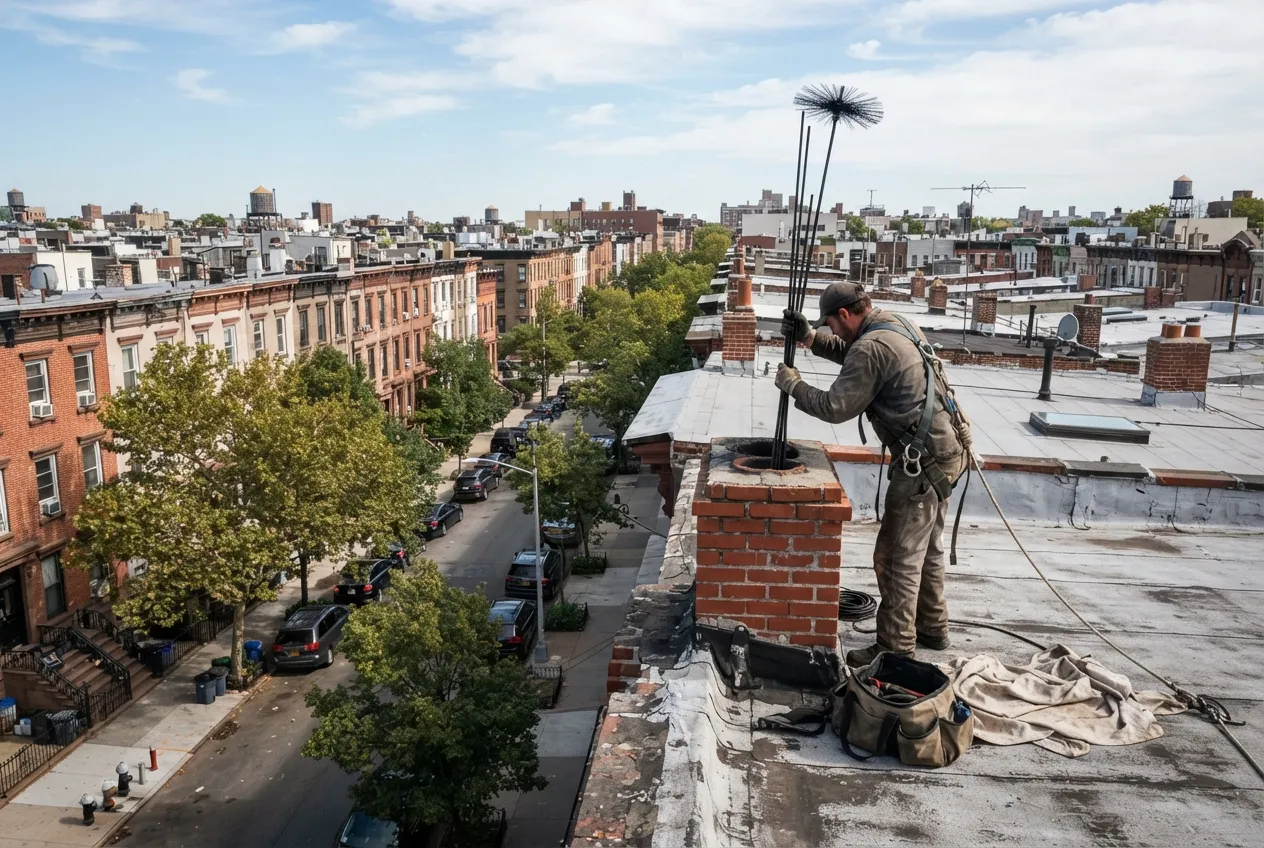
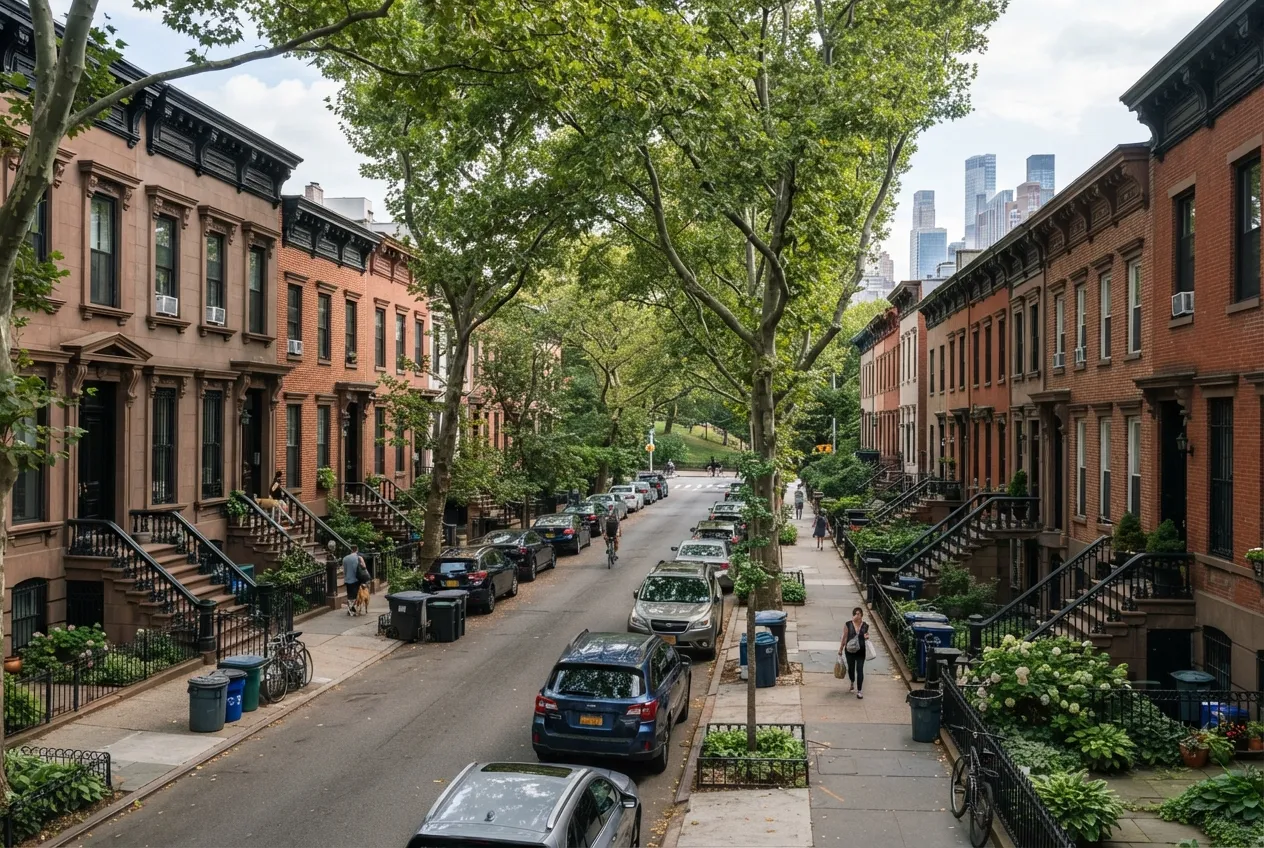
Many Fort Greene homes were built long before modern heating equipment, and their chimneys have often served several generations of boilers, fireplaces and fuels. All Star Chimney Sweep inspects chimneys in brownstones, rowhouses and pre-war apartment buildings throughout the 11205 ZIP code. Our office is about a mile southwest of the neighborhood, so scheduling a visit is simple. Our certified technicians check the flue, liner, masonry, crown, cap and connections, then explain what they found in plain terms: what is safe, what needs attention and what can wait.
Why Fort Greene Chimneys Need a Closer Look
Older Brooklyn masonry chimneys are usually tall, narrow and shared in some way. One stack may carry several flues, or a boiler flue may sit beside a fireplace flue that has been unused for years. Over decades, mortar joints wear down, clay tile liners crack, and crowns and caps take a beating from freeze-thaw cycles and summer storms.
Renovations add to the picture. When a brownstone is converted to multiple units, gut-renovated or fitted with new mechanical equipment, the chimney is not always updated to match. An inspection tells you whether the venting still suits the appliances connected to it.
Which Inspection Level Your Home Needs
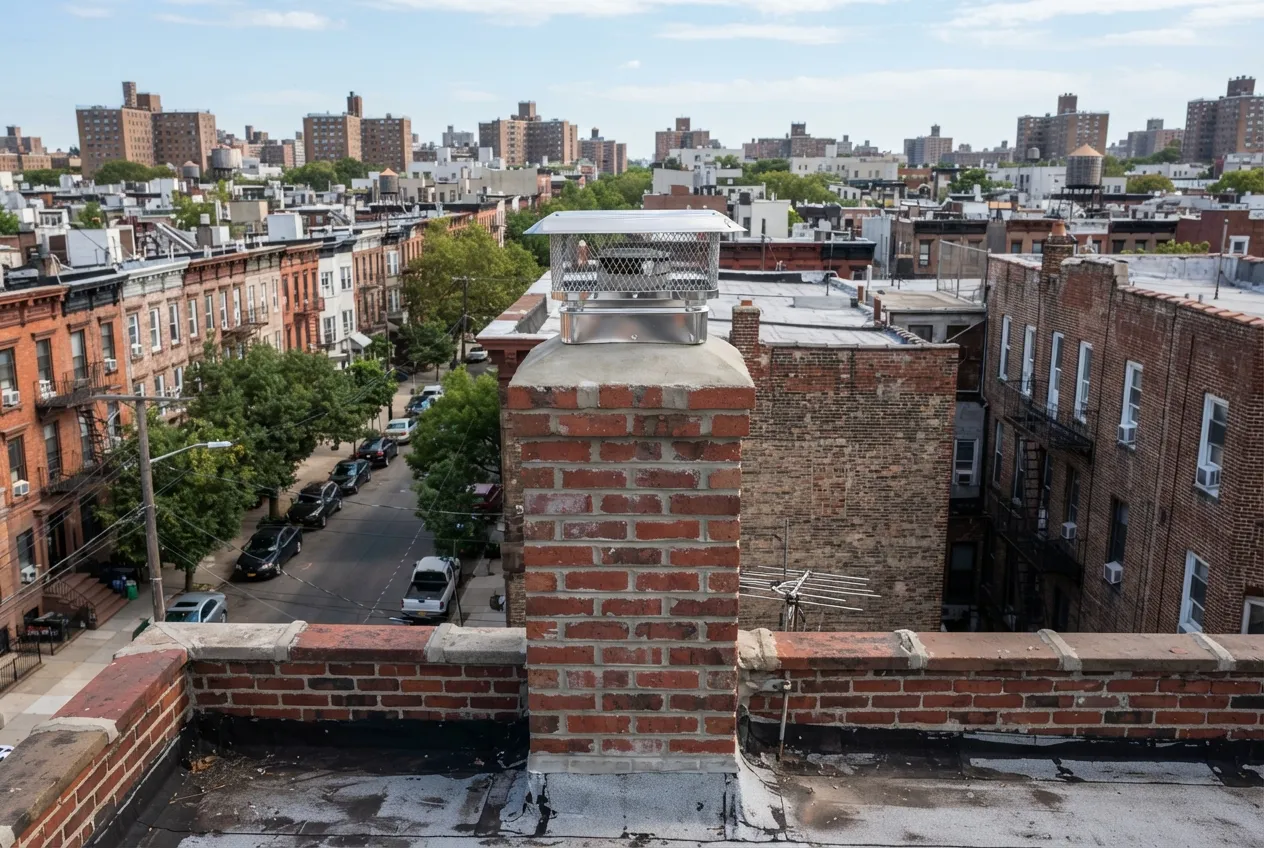
The NFPA 211 standard calls for chimneys, fireplaces and vents to be inspected once a year. Chimney professionals use three levels of inspection, and the right one depends on what has happened since the last check.
- Level 1: For a chimney that has been in regular use with no changes. We examine the readily accessible parts of the chimney, the fireplace or appliance connection, and look for blockages and buildup.
- Level 2: Needed when the system changes, such as a new boiler, a new insert or a switch of fuel, and when a home is sold. This includes a camera inspection of the flue's interior and accessible attic, basement and roof areas.
- Level 3: Used when a hidden hazard has to be reached by opening part of the chimney or building, for example after signs of damage that cannot be confirmed any other way.
Oil-to-Gas Conversions in Brownstones and Pre-War Buildings
Many Fort Greene buildings have moved, or are planning to move, from oil heat to gas. In New York City, the chimney has to be evaluated as part of a boiler conversion from oil to gas. A new liner is often needed because gas exhaust produces acidic condensate that can corrode an unlined or tile-lined masonry flue over time.
If you are planning a conversion, a Level 2 inspection before the work begins helps you and your heating contractor know the condition of the flue, its size relative to the new appliance, and whether relining is likely. If the conversion is already done and the chimney was never checked, an inspection is a sensible next step.
Time for your annual chimney check?
Timing Around the Heat Season
New York City's heat season runs from October 1 through May 31. During those months, building owners must keep apartments heated to the city's minimum temperatures, which means the boiler and its chimney need to be working reliably. For owners of multi-unit brownstones and small apartment buildings, a chimney problem in January is more than an inconvenience.
Scheduling your inspection in late spring or summer gives you time to make any repairs before the heat comes back on. It also makes it easier to coordinate roof access, relining or masonry work without pressure from cold weather.
What You Get After the Inspection
After the inspection, our technician walks you through the findings and shows you photos or camera footage where it helps. You will know the condition of the liner, crown, cap, flashing, smoke chamber and damper, along with any signs of water entry, creosote buildup, animal nesting or debris.
We separate urgent safety issues from items you can plan for later. If cleaning is all that is needed, we will say so. If repairs or a liner are recommended, we explain why in clear language so you can make an informed decision.
More services in Fort Greene
- Chimney Sweep in Fort GreeneLocal service & repairs
- Chimney Repair in Fort GreeneLocal service & repairs
- Air Duct Cleaning in Fort GreeneLocal service & repairs
- Chimney Liner Installation in Fort GreeneLocal service & repairs