The short answer
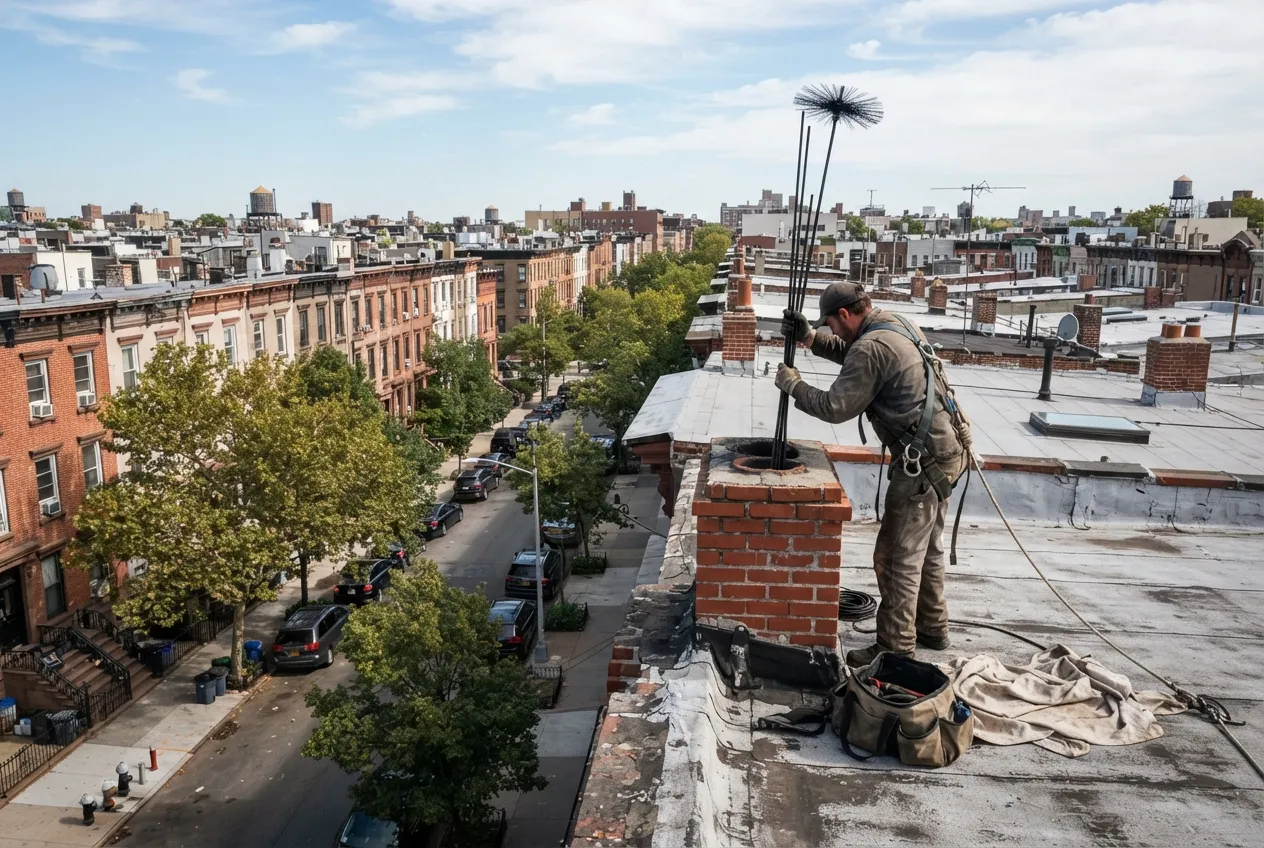
All Star Chimney Sweep repairs masonry chimneys and flue liners in Boerum Hill's brownstones, rowhouses and pre-war buildings. Common repairs include repointing, crowns, caps, flashing and relining. We start with an inspection matched to the NFPA 211 levels and recommend scheduling repairs outside the October-through-May heat season when you can.
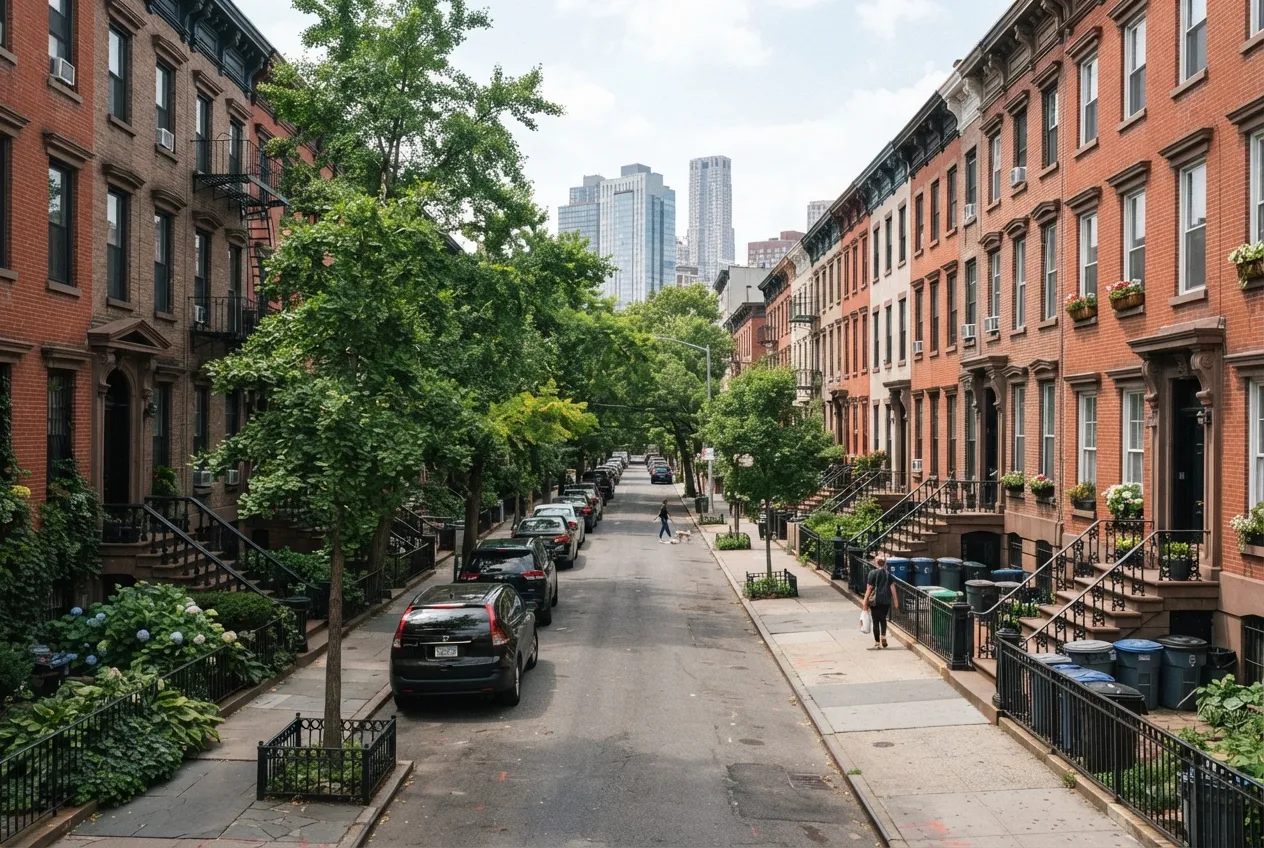
Most homes in Boerum Hill are older brownstones and rowhouses, along with a number of pre-war apartment buildings. Many of their chimneys have handled heat, exhaust and weather for a very long time, and some have sat unused for years while still taking on rain. All Star Chimney Sweep repairs masonry chimneys, crowns, dampers and flue liners for homes and buildings in ZIP code 11201. Our office is about a mile away, so we can get to Boerum Hill easily for inspections and follow-up visits. This page covers the repairs we see most in the neighborhood, how oil-to-gas conversions affect your flue, and how to time chimney work around the heating season.
Common chimney problems in brownstones and rowhouses
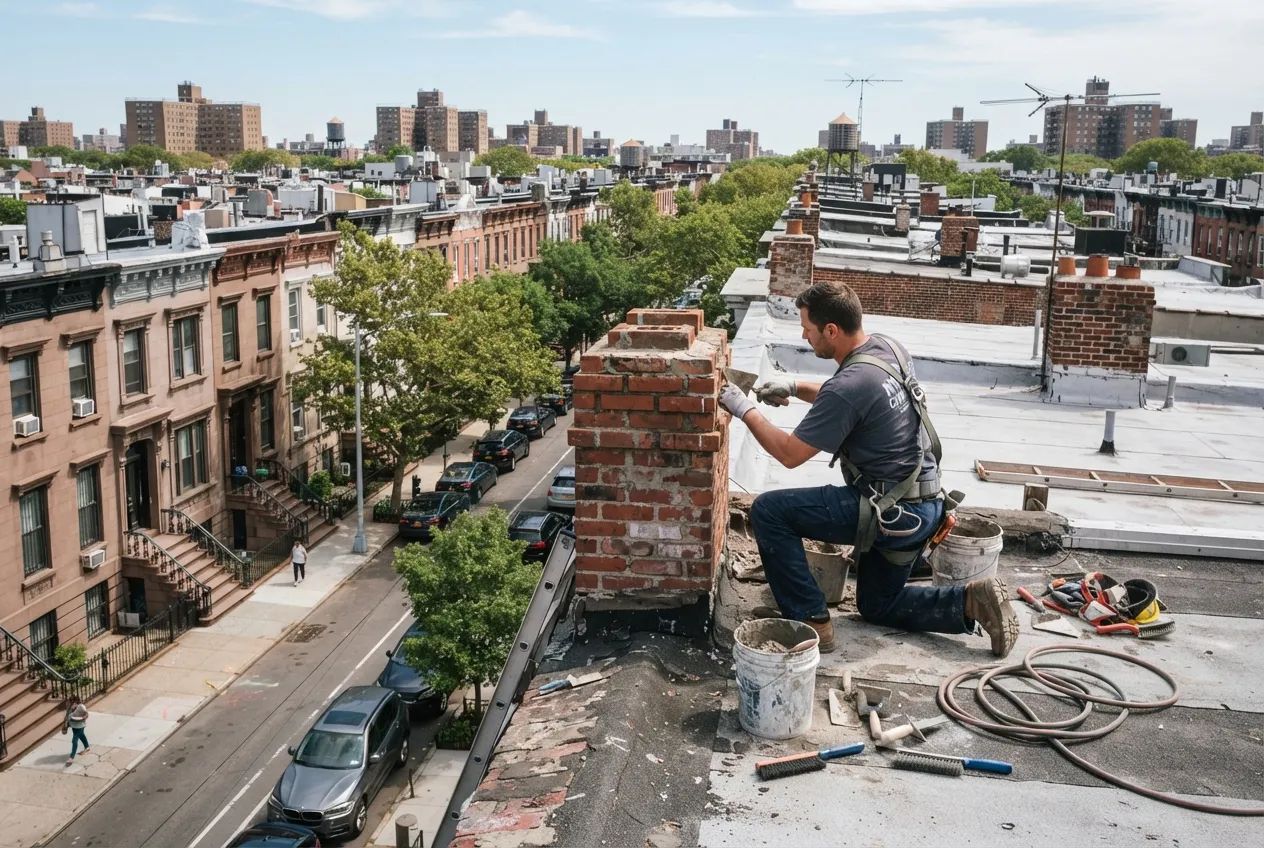
Masonry chimneys on Brooklyn rowhouses are exposed to the weather on every side. Freeze-thaw cycles, wind-driven rain and years of heat and exhaust from inside all wear them down. Over time, mortar joints wash out, brick faces spall and flake, and the crown at the top cracks and lets water into the chimney.
On attached houses, chimneys often run along shared party walls. Water that gets into the masonry can show up as stains, peeling paint or damaged plaster in rooms that seem nowhere near the fireplace. Owners often treat it as a roof leak when the real source is the chimney. These are the repairs we handle most often:
- Repointing deteriorated mortar joints
- Replacing cracked or spalling brick
- Rebuilding or resealing chimney crowns
- Installing or replacing chimney caps to keep out rain and animals
- Repairing flashing where the chimney meets the roof
- Repairing or replacing dampers that no longer seal
- Relining flues that serve fireplaces, boilers and water heaters
Oil-to-gas conversions and flue liners
Many older buildings in the neighborhood once heated with oil. When a New York City building converts its boiler from oil to gas, the chimney has to be evaluated as part of the work. A new liner is often needed because gas exhaust produces acidic condensate, and that condensate can corrode a masonry flue.
If your building has already converted, is planning a conversion, or has a new boiler or water heater, we can examine the flue and tell you whether the existing liner suits the appliance it now serves. When a new liner is needed, we size it to that appliance and install it so exhaust leaves the building instead of soaking into the brick and mortar.
Inspection comes before repair
We don't recommend repairs based on what's visible from the sidewalk. The NFPA 211 standard calls for chimneys, fireplaces and vents to be inspected once a year, and chimney professionals use three inspection levels. Level 1 applies when nothing about the system has changed. Level 2 applies when the system changes, such as a new appliance or a switch of fuel, or when the home is sold. Level 3 is used when a hidden hazard has to be reached by opening part of the chimney or building.
For most repair calls, we start with the level that fits your situation. Then we show you what we found and explain which problems need attention now and which can be planned for later. Our certified technicians walk you through the condition of the flue, the masonry and the components at the top so you understand what you're paying to fix and why.
Time for your annual chimney check?
Planning repairs around heat season
New York City's heat season runs from October 1 through May 31. During that period, building owners must keep apartments heated to the city's minimum temperatures. If you own a multi-family brownstone or manage a pre-war building, a boiler chimney that needs work in the middle of winter can put you in a difficult position.
The practical approach is to have the chimney inspected and repaired between June and September, when the boiler can be taken offline without leaving anyone cold. Mild weather also helps masonry work, because fresh mortar cures better when it isn't freezing. If something does fail during the heating season, contact us and we'll help you figure out what has to happen right away and what can wait until warmer months.
Serving Boerum Hill and nearby neighborhoods
We repair chimneys throughout Boerum Hill and in nearby Downtown Brooklyn, DUMBO, Brooklyn Heights, Fort Greene and Carroll Gardens. You might own a single-family rowhouse, a two- or three-family brownstone, or a larger pre-war building. In each case, we explain what the chimney needs in plain terms and agree on the scope before any work begins.
More services in Boerum Hill
- Chimney Sweep in Boerum HillLocal service & repairs
- Chimney Inspection in Boerum HillLocal service & repairs
- Air Duct Cleaning in Boerum HillLocal service & repairs
- Chimney Liner Installation in Boerum HillLocal service & repairs