The short answer
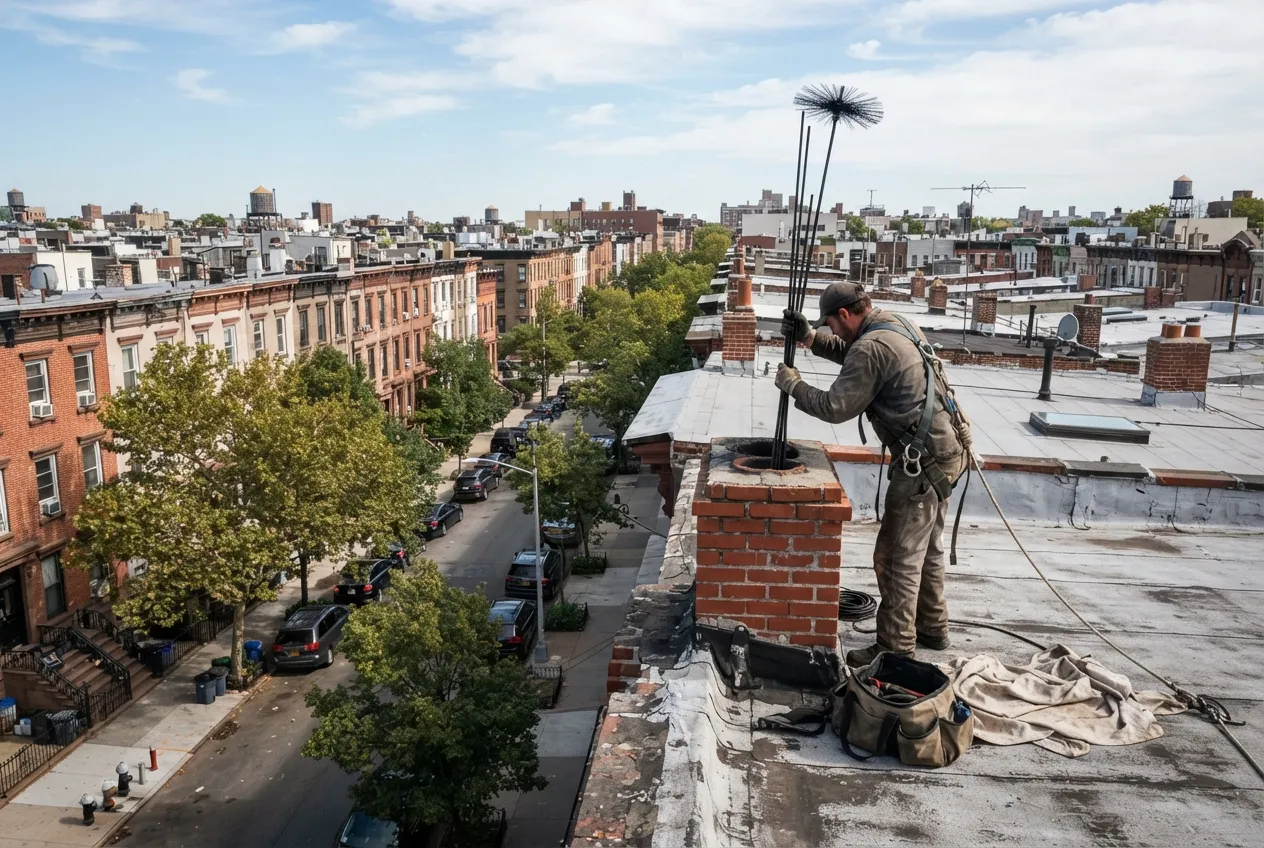
A chimney liner protects the masonry around the flue and helps exhaust leave the building safely. Boerum Hill homes often need one after an oil-to-gas boiler conversion, when an older flue is damaged, or when a new appliance doesn't match the existing flue. We inspect first and recommend a liner only when the chimney needs it.
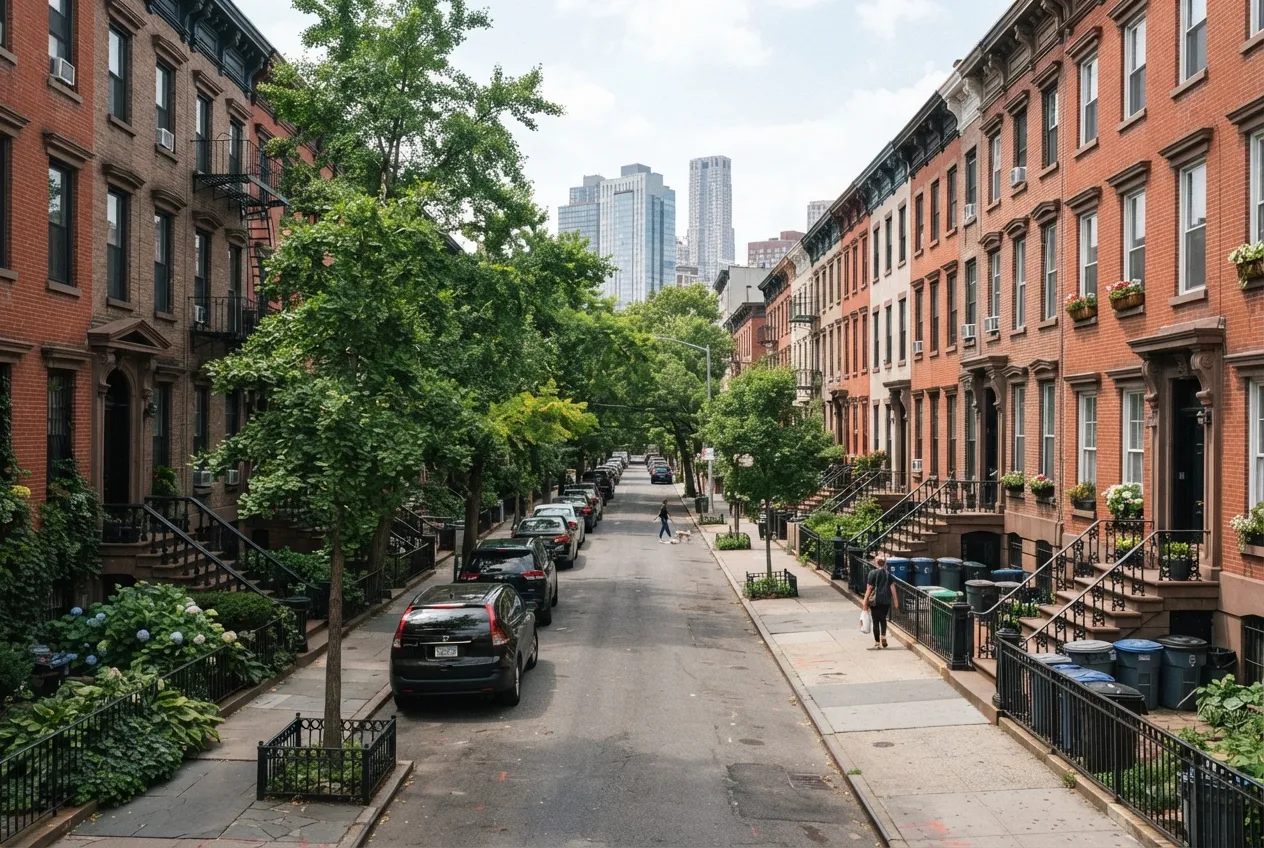
Many homes in Boerum Hill are brownstones, brick rowhouses and pre-war apartment buildings whose masonry chimneys were built long before today's boilers, water heaters and fireplace inserts. A flue that was fine for coal or oil decades ago may be cracked, unlined or the wrong size for the equipment it serves now. All Star Chimney Sweep installs chimney liners for homes and buildings in Boerum Hill (ZIP 11201), about a mile northeast of our Brooklyn office. Our certified technicians inspect the chimney first, explain what we find, and recommend a liner only when the flue needs one.
Why Boerum Hill Chimneys Often Need Relining
Older masonry chimneys in brownstones and rowhouses were often built with clay tile liners or no liner at all. Over many heating seasons, heat, moisture and settling can crack the tiles or wear away the mortar between them. Gaps like these can let heat reach nearby wood framing and let exhaust leak into walls or neighboring spaces.
Shared walls make this more important here. In attached rowhouses and multi-unit buildings, a flue problem in one chimney doesn't always stay in one home. A sound liner keeps exhaust inside the flue and moving up and out.
Oil-to-Gas Conversions and Your Chimney
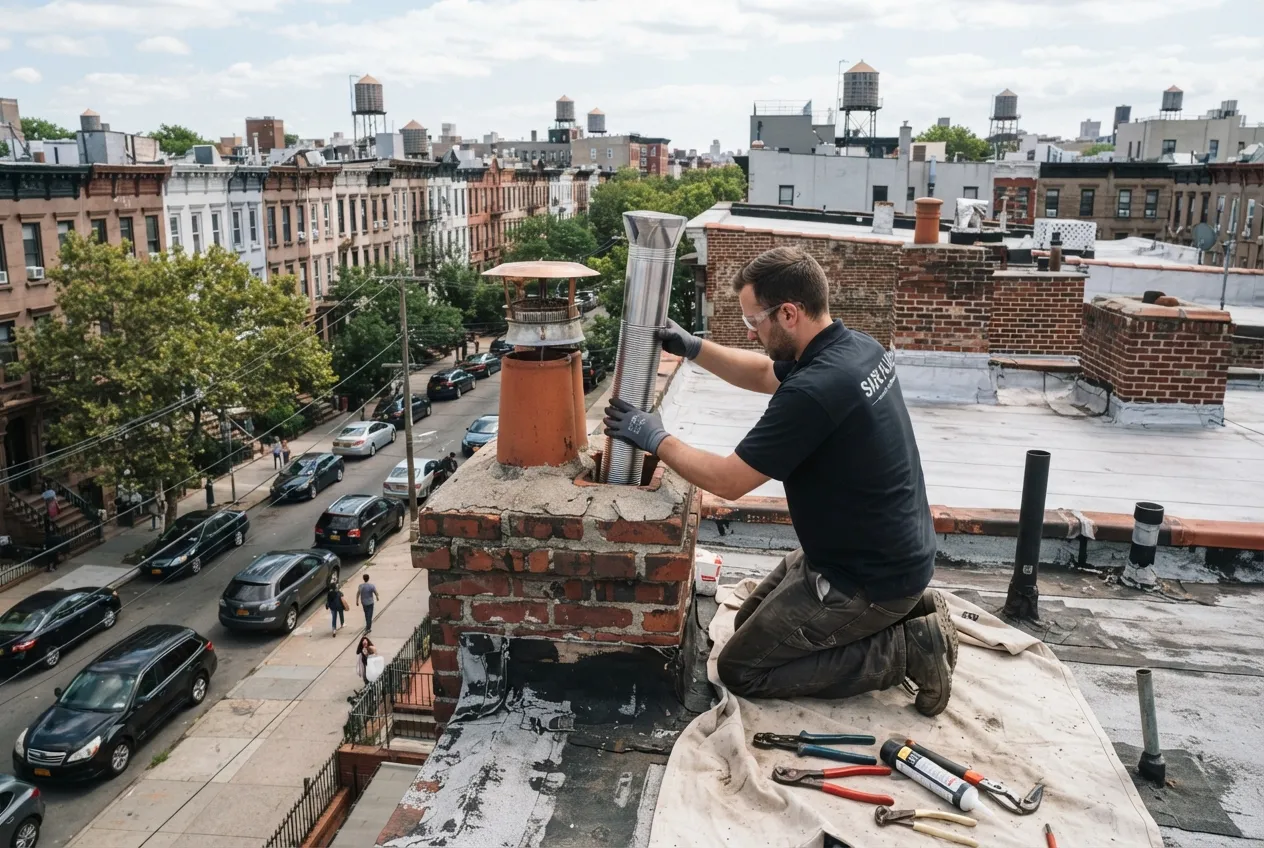
Many Boerum Hill buildings have switched, or are planning to switch, their boilers from oil to gas. When a New York City building converts from oil to gas, the chimney has to be evaluated as part of the work. A new liner is often needed because gas exhaust produces acidic condensate that can corrode a masonry flue.
That condensate can soak into brick and mortar, leading to crumbling joints, staining and debris falling to the base of the chimney. A liner sized and made for gas appliances carries the exhaust safely and keeps the masonry from absorbing it. If you're planning a conversion, it helps to have the chimney inspected early so the liner work can be scheduled alongside the boiler work.
How We Handle a Liner Installation
Every job starts with an inspection. The NFPA 211 standard calls for chimneys, fireplaces and vents to be inspected once a year, and it describes three levels. A Level 2 inspection applies when the system changes, such as a new appliance or a switch of fuel, or when a home is sold, so it's the usual starting point before relining. If a hidden hazard has to be reached by opening part of the chimney or building, a Level 3 inspection may be needed.
After the inspection, we walk you through the condition of the flue and the options that fit your appliance and chimney. The installation itself generally follows these steps:
- Inspect the flue, including a camera look at the interior when needed
- Clean the chimney so the liner goes into a clear flue
- Measure the flue and match the liner size to the appliance it will serve
- Install the liner from top to bottom and connect it to the appliance
- Fit the top of the chimney with the proper termination and cap
- Check that the system drafts properly and walk you through the finished work
Time for your annual chimney check?
Types of Liners We Install
The right liner depends on what the chimney vents. Stainless steel liners are common for gas and oil boilers, water heaters, and wood or gas fireplace inserts because they can be sized closely to the appliance and fed down existing flues, including ones with offsets. Some older masonry chimneys are better served by a cast-in-place liner that also helps stabilize a deteriorated flue.
We explain the trade-offs of each option for your chimney rather than offering one answer for every house.
Timing Around Heat Season
New York City's heat season runs from October 1 through May 31, when building owners must keep apartments heated to the city's minimum temperatures. For owners of multi-unit buildings and rentals, it makes sense to schedule liner work before October so the boiler isn't out of service when heat is required. Homeowners benefit from planning ahead too, since fall is when many people call about their chimneys.
We also serve nearby Downtown Brooklyn, DUMBO, Brooklyn Heights, Fort Greene and Carroll Gardens, where many homes share the same chimney issues.
More services in Boerum Hill
- Chimney Sweep in Boerum HillLocal service & repairs
- Chimney Inspection in Boerum HillLocal service & repairs
- Chimney Repair in Boerum HillLocal service & repairs
- Air Duct Cleaning in Boerum HillLocal service & repairs