The short answer
You need a new chimney liner when the existing flue is cracked, deteriorated, missing, or the wrong size for your heating appliance, which often happens after a boiler is converted from oil to gas. All Star Chimney Sweep inspects the flue first, then fits a liner matched to your appliance and chimney in Red Hook and surrounding Brooklyn neighborhoods.
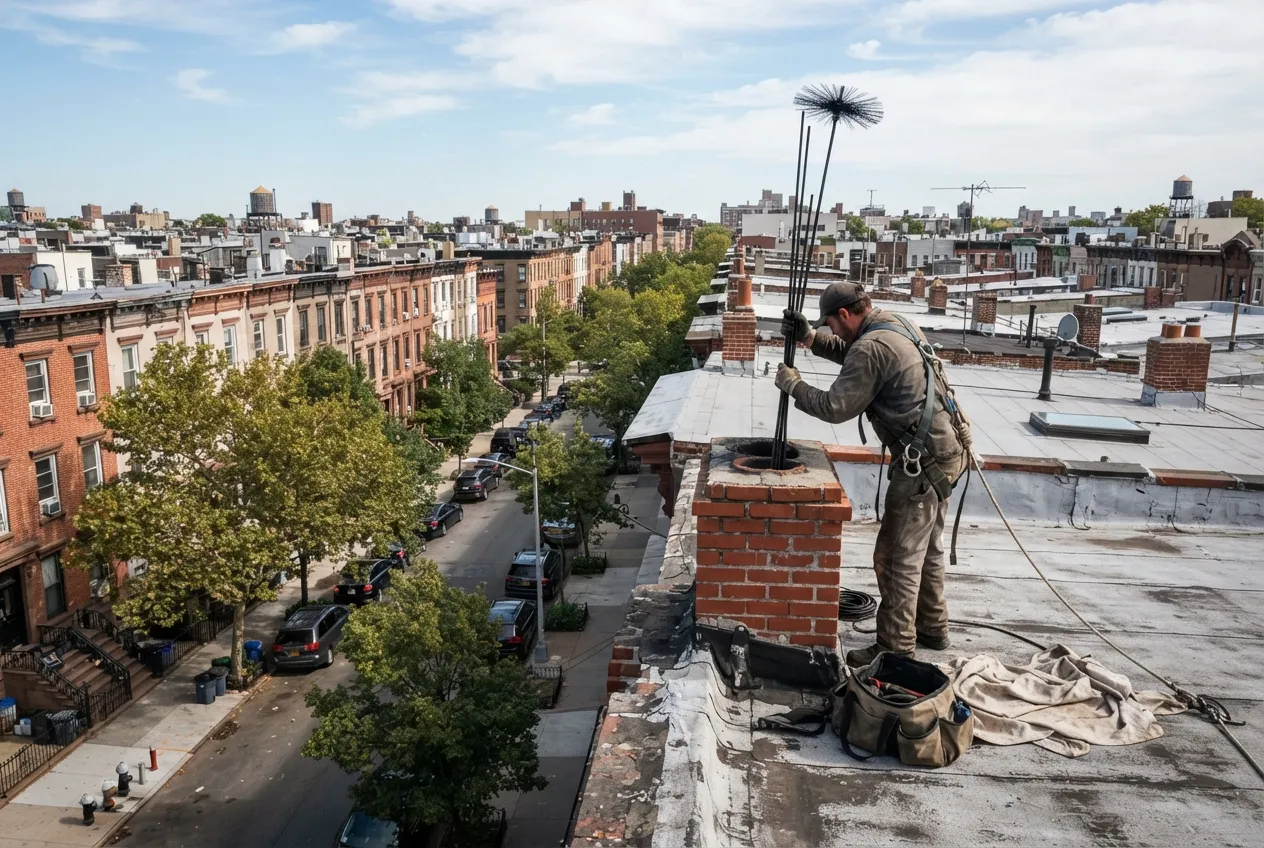
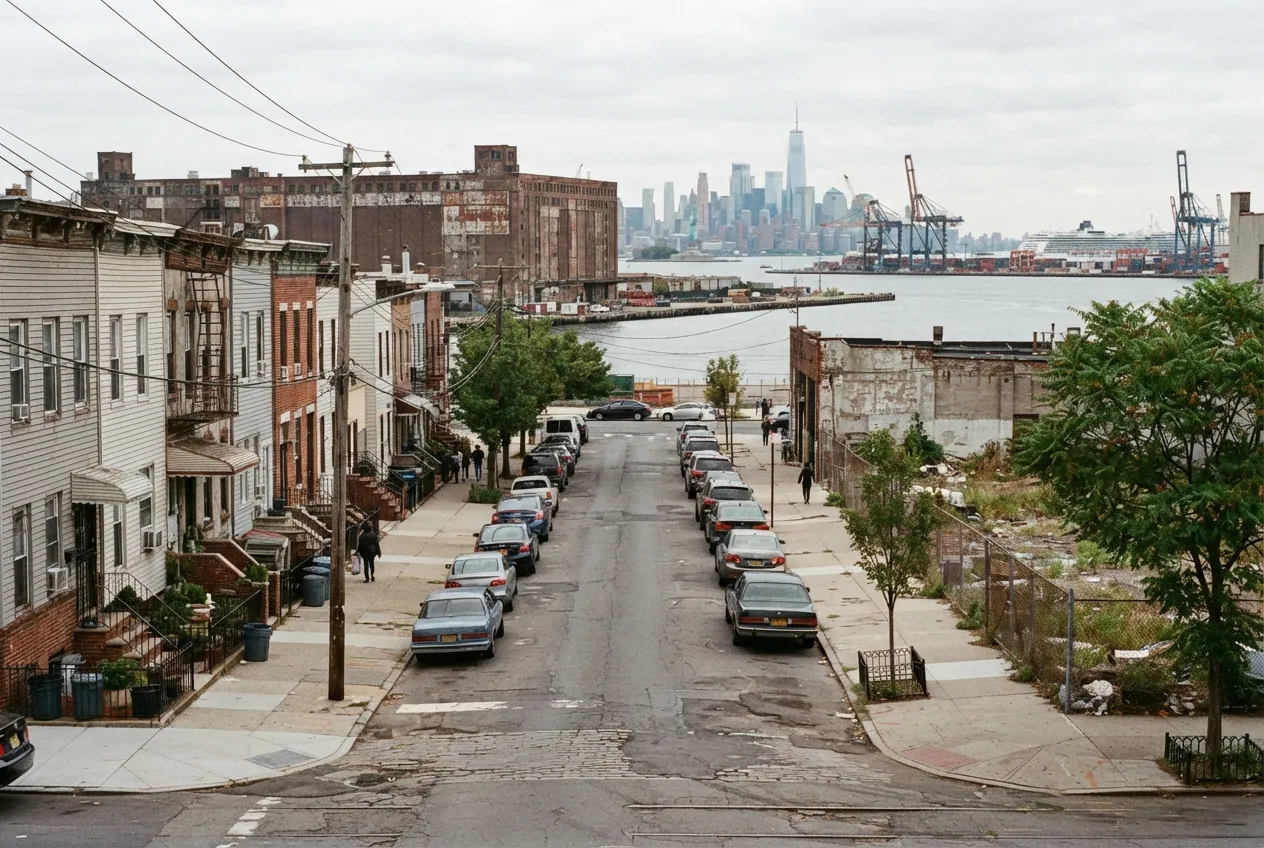
A chimney liner is the protective channel inside your flue that carries smoke and exhaust safely out of the house. In Red Hook, many chimneys serve rowhouses, small multifamily buildings and pre-war apartment buildings, so their liners have been through decades of use, settling and changes in heating equipment. All Star Chimney Sweep is based right here at 543 Henry St. Our certified technicians install new liners for fireplaces, boilers and water heaters across the 11231 ZIP code and nearby Brooklyn neighborhoods.
Why Red Hook Chimneys Often Need a New Liner
Many older masonry chimneys in this part of Brooklyn were built with clay tile liners, and some were built with no liner at all. Over the years, heat, moisture and freeze-thaw cycles can crack tiles, wear down mortar joints and leave gaps where exhaust or heat can reach the brick and nearby framing.
Older buildings also tend to see their heating equipment replaced several times. A flue sized for an old coal or oil system may be far too large for a modern, efficient boiler or water heater. An oversized flue lets exhaust cool too quickly, which leads to condensation, poor draft and faster deterioration of the masonry.
Liners for Oil-to-Gas Boiler Conversions
When a New York City building converts its boiler from oil to gas, the chimney has to be evaluated as part of the work. A new liner is often needed because gas exhaust produces acidic condensate that can corrode a masonry flue. That moisture can soak into brick and mortar, causing spalling, staining and a flue that slowly falls apart from the inside.
If your building in Red Hook is planning a conversion, we can inspect the chimney early, explain what the flue needs and work alongside your heating contractor so the liner is in place when the new boiler is ready to run.
What Liner Installation Involves
Every job starts with a close look at the chimney. In many cases that means a camera inspection of the flue so we can see cracks, gaps or blockages that aren't visible from the top or the appliance connection. From there, the process generally looks like this:
- Clean the flue so the interior can be properly evaluated and the new liner has a clear path
- Measure the flue and confirm the size the appliance actually needs
- Remove broken tile or debris where necessary
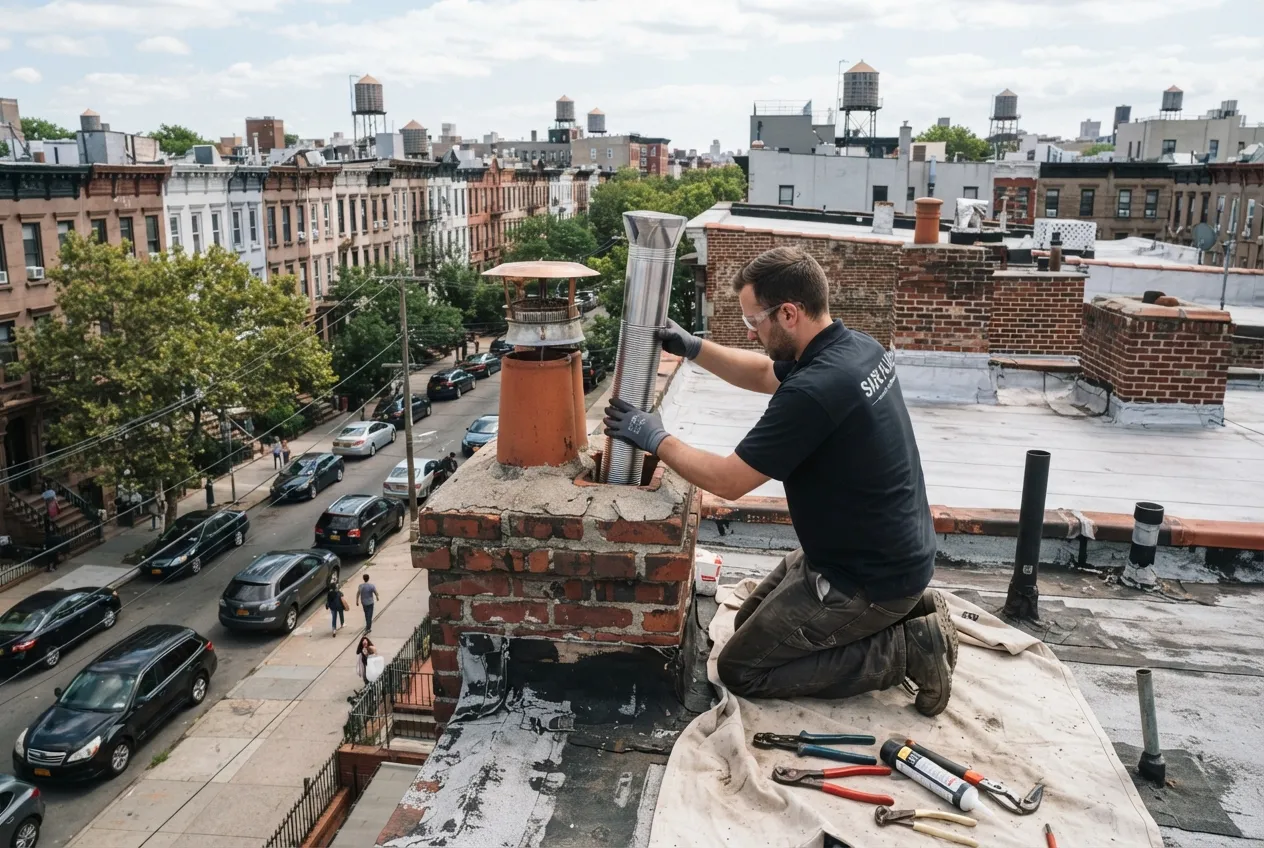
- Install the liner from the top of the chimney down to the appliance connection
- Seal and cap the top of the chimney to keep out rain, debris and animals
- Check the draft and connections once the appliance is running
Time for your annual chimney check?
Choosing the Right Liner for Your Home
There is no single liner that fits every chimney. The right choice depends on what the flue serves and the condition of the masonry around it. We'll walk you through the options that make sense for your chimney rather than pushing one product.
- Stainless steel liners, commonly used for gas and oil boilers, water heaters and many fireplace inserts
- Insulated liners, which help exhaust stay warm and keep condensation down in exterior or tall chimneys
- Liners sized specifically for a new, smaller high-efficiency appliance
- Options for wood-burning fireplaces where the original tile liner is damaged
Planning Around Heat Season and Annual Inspections
New York City's heat season runs from October 1 through May 31, and building owners must keep apartments heated to the city's minimum temperatures during that time. For multifamily buildings, a boiler that can't run because of a failed flue is a serious problem, so it's smart to schedule liner work in late spring or summer whenever possible.
The NFPA 211 standard calls for chimneys, fireplaces and vents to be inspected once a year. A change of appliance or a switch of fuel calls for a more detailed Level 2 inspection, which is often how liner problems are found. A yearly inspection helps catch damage before it turns into an emergency in the middle of winter.
Serving Red Hook and Nearby Neighborhoods
Because our office is in Red Hook, we're close by for inspections, estimates and installation days. We also install chimney liners for homes and buildings in Carroll Gardens, Cobble Hill, Gowanus, Park Slope and Brooklyn Heights, from brownstones and rowhouses to pre-war apartment buildings.
More services in Red Hook
- Chimney Sweep in Red HookLocal service & repairs
- Chimney Inspection in Red HookLocal service & repairs
- Chimney Repair in Red HookLocal service & repairs
- Air Duct Cleaning in Red HookLocal service & repairs