The short answer
Under the NFPA 211 standard, chimneys, fireplaces and vents should be inspected once a year. In Red Hook, the right level of inspection depends on whether anything has changed, such as a new boiler, a switch from oil to gas, or the sale of the home.
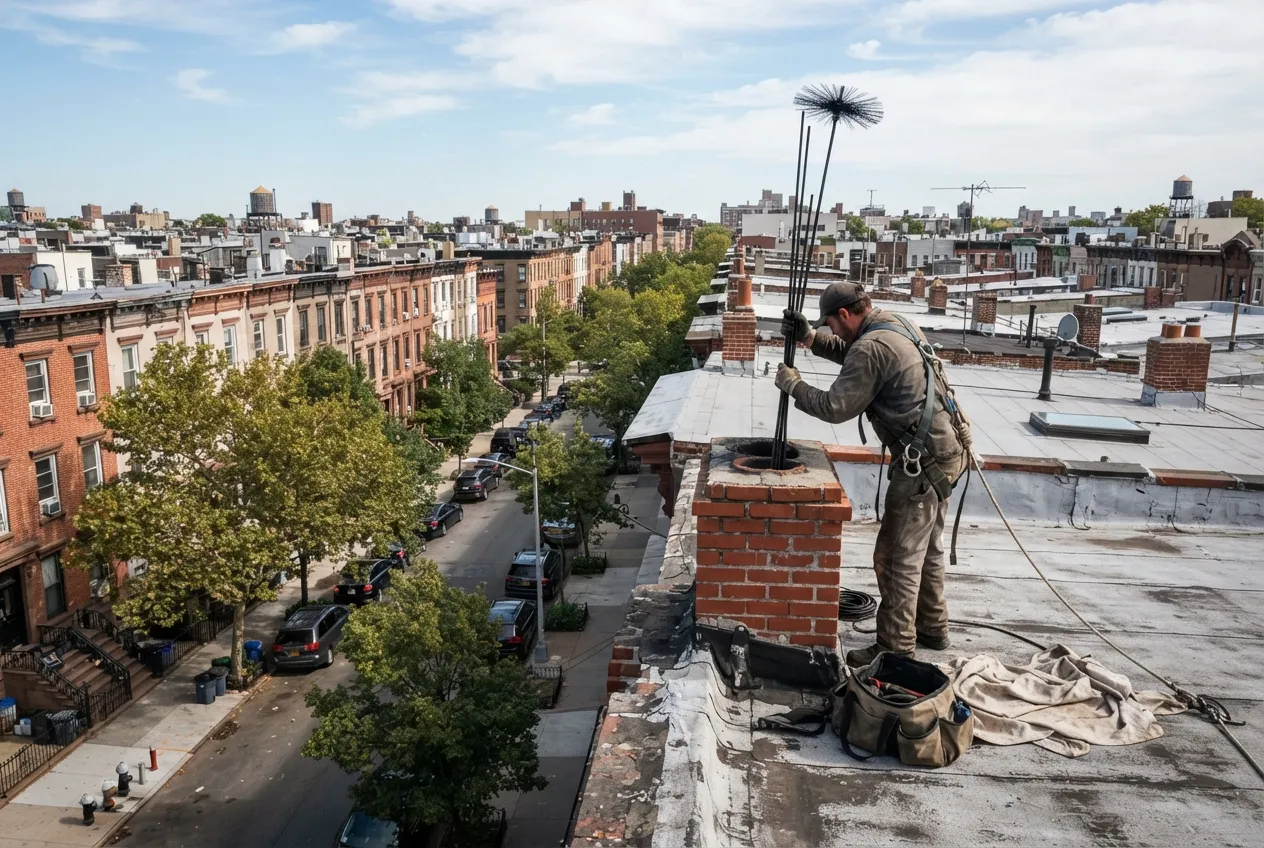
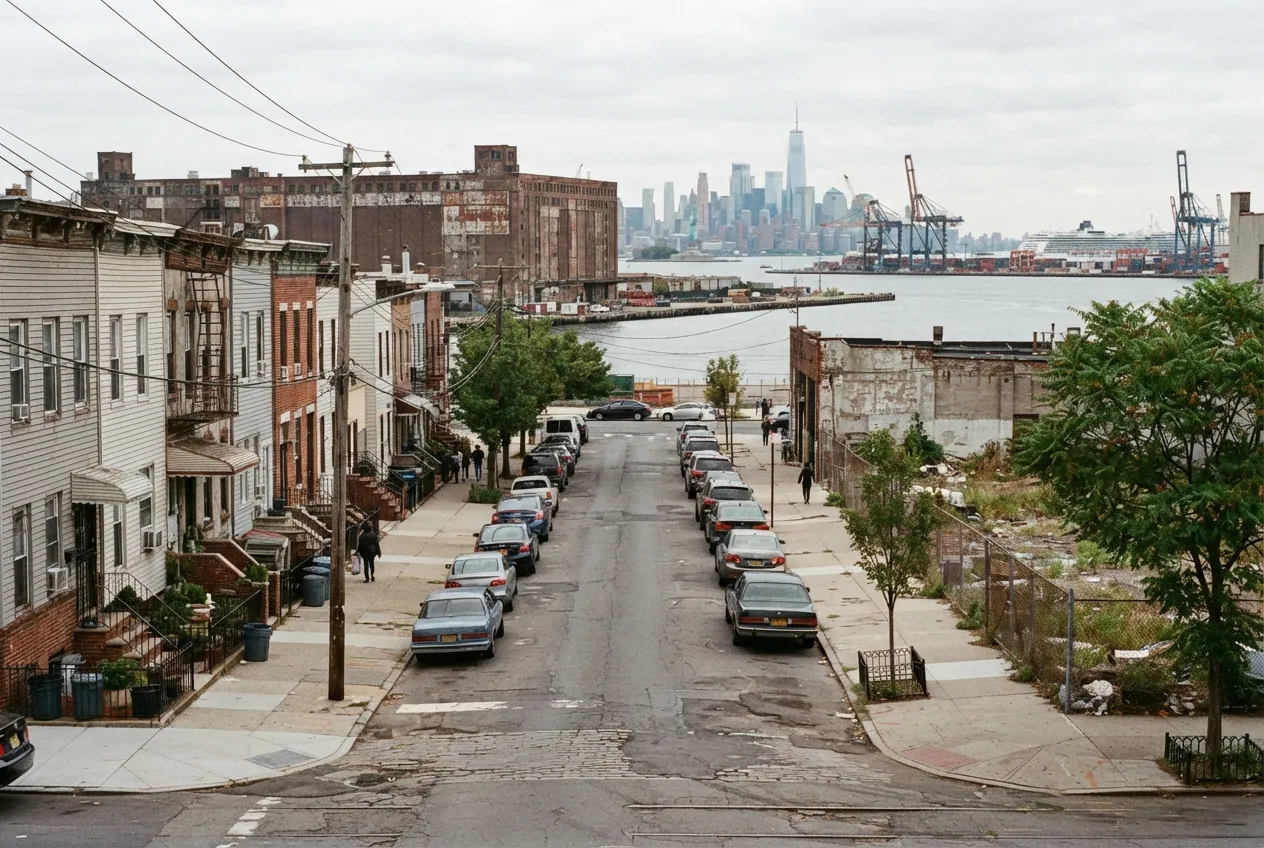
All Star Chimney Sweep is based in Red Hook, at 543 Henry St, so chimney inspections here are close to home for us. The neighborhood's housing includes brick rowhouses, small multi-family buildings, pre-war apartment buildings and a few detached homes. Many of these chimneys have served several heating systems over the decades, which leaves room for hidden damage. An inspection tells you what condition your chimney is in, whether it suits the appliance it serves now, and what needs attention before you light a fire or start the heat. Our certified technicians inspect fireplace chimneys, boiler and furnace flues, and the vents and connectors that tie them together.
Which inspection level your Red Hook home needs
The NFPA 211 standard recommends a yearly inspection and describes three levels. The level depends on your situation, not on how thorough you'd like us to be. We'll tell you which one applies and why.
- Level 1: For chimneys in regular use where nothing has changed. We check the readily accessible parts of the chimney, the flue, and the appliance connection for soundness, blockages and buildup.
- Level 2: Required when the system changes, such as a new boiler or water heater, a switch of fuel, or a relined flue. It is also the standard when a home is sold. This level includes a camera inspection of the flue interior and access to attics, crawlspaces and basements where the chimney runs.
- Level 3: Used only when a hazard is suspected in a spot that can't be reached any other way. It means opening part of the chimney or building. We recommend it only when a Level 2 finding points to a concealed problem.
Oil-to-gas conversions and liners
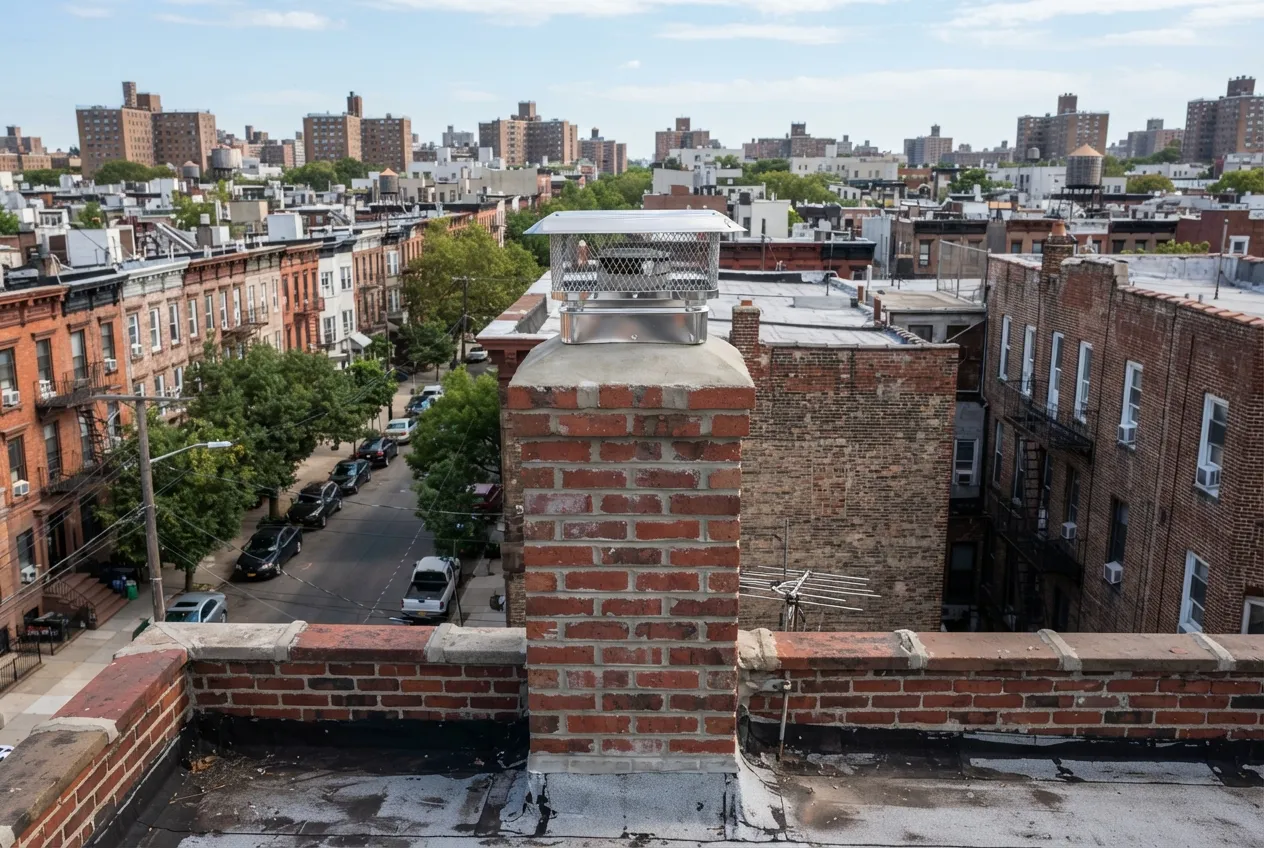
Some Red Hook buildings still heat with oil or have recently converted. When a New York City building converts its boiler from oil to gas, the chimney has to be evaluated as part of the work. Gas exhaust is cooler and wetter than oil exhaust and produces acidic condensate. In an unlined or poorly lined masonry flue, that condensate can eat away at mortar and clay tile over time. That is why a new liner is often needed after a conversion.
If you are planning a conversion or have just finished one, a Level 2 inspection shows whether the existing flue is the right size and condition for the new appliance. You'll have that answer before problems show up as crumbling brick, water stains or poor draft.
What we look for in older Brooklyn chimneys
Masonry chimneys on rowhouses and pre-war buildings take a steady beating from freeze-thaw cycles, wind and moisture. Inside the flue, soot, creosote and condensate add their own wear. During an inspection we pay close attention to the problems we see most in older housing stock like Red Hook's.
- Cracked, missing or deteriorated flue tiles
- Creosote buildup in fireplace flues
- Loose or spalling brick and failing mortar joints at the crown and stack
- Damaged or missing chimney caps, which let in rain, debris and animals
- Rusted or poorly sealed connectors between boilers, water heaters and the flue
- Signs of water entry, such as staining, efflorescence or damp walls near the chimney
- Blockages from nests, fallen masonry or debris
Time for your annual chimney check?
Timing around heat season
New York City's heat season runs from October 1 through May 31. During those months, building owners must keep apartments heated to the city's minimum temperatures. If you own a multi-family building, a chimney problem found in January is much harder to handle than one found in August. Late spring and summer are the easiest times to inspect, schedule any repairs and get the system ready before the boiler has to run every day.
Homeowners with wood-burning fireplaces benefit from the same approach. An inspection before the first fire of the season can catch creosote buildup or damage left from the previous winter.
What happens during your inspection
We start by asking how you use the chimney, what appliances vent into it, and whether anything has changed since the last inspection. Then we inspect the interior and exterior to the depth the level calls for. We protect floors and furnishings around the work area.
Afterward we walk you through what we found, including photos or camera footage where it applies. You'll get a plain explanation of what is fine, what should be watched, and what needs repair. If cleaning or repair is needed, we explain the options so you can decide. We serve Red Hook (11231) along with Carroll Gardens, Cobble Hill, Gowanus, Park Slope and Brooklyn Heights.
More services in Red Hook
- Chimney Sweep in Red HookLocal service & repairs
- Chimney Repair in Red HookLocal service & repairs
- Air Duct Cleaning in Red HookLocal service & repairs
- Chimney Liner Installation in Red HookLocal service & repairs