The short answer
Brooklyn Heights homeowners should have their chimneys inspected once a year, which is what the NFPA 211 standard calls for. A more detailed inspection is needed after a fuel switch, a new appliance or a home sale. That includes the oil-to-gas boiler conversions common in older New York City buildings.
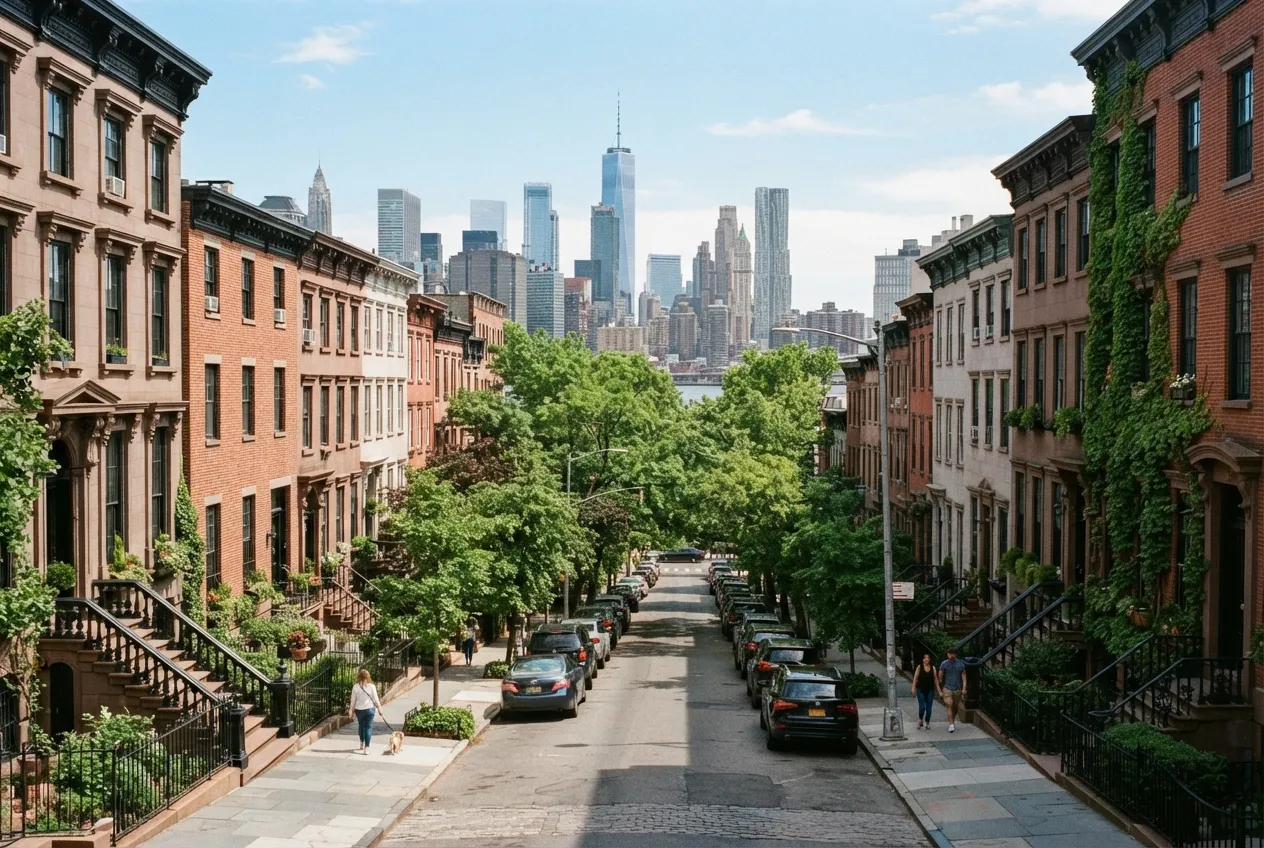
Many Brooklyn Heights homes are brownstones, rowhouses and pre-war apartment buildings. Their chimneys have often served several generations of fireplaces, furnaces and boilers. A flue can look fine from the hearth and still have cracked tiles, loose mortar or a liner that no longer fits the appliance it vents. All Star Chimney Sweep is about a mile south of the neighborhood. Our certified technicians inspect chimneys, fireplaces and venting systems so you know what condition they are in before you light a fire or start the heating season.
Why Yearly Inspections Matter in Brooklyn Heights
The NFPA 211 standard calls for chimneys, fireplaces and vents to be inspected once a year. That holds whether you burn wood every weekend or mostly rely on a boiler. The chimneys in this neighborhood are usually masonry, and many are a century old or more. Over that time, freeze-thaw cycles, settling and decades of exhaust wear on mortar joints and clay flue tiles.
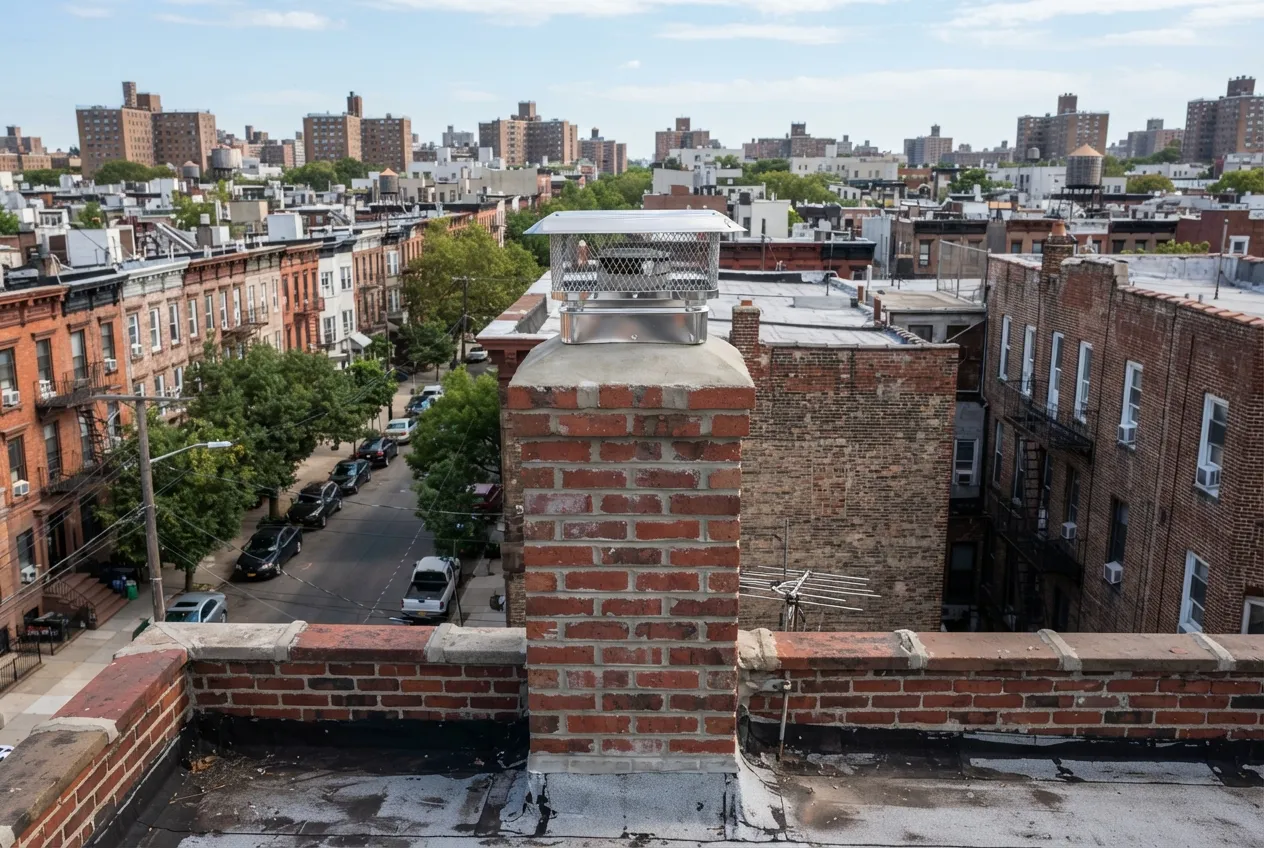
Rowhouses and brownstones often have several flues running through a shared chimney mass. One flue may serve a parlor-floor fireplace and another the basement boiler. A problem in one can affect the others. A yearly inspection catches cracks, blockages and deterioration while they are still manageable.
Choosing the Right Inspection Level
Chimney professionals use three inspection levels. The right one depends on what has changed in your home since the last inspection.
- Level 1: The standard yearly check when nothing about the system has changed. We look at the readily accessible parts of the chimney, fireplace and connections.
- Level 2: Needed when the system changes, such as a new appliance or a switch of fuel, or when the home is sold. It usually includes a camera inspection of the flue interior.
- Level 3: Used when a suspected hidden hazard can only be reached by opening part of the chimney or building. It is not routine, and we only recommend it when an earlier inspection points to a concern.
Older Masonry and Oil-to-Gas Conversions
Many older buildings in Brooklyn Heights once heated with oil and have since moved to gas, or are planning to. When a New York City building converts its boiler from oil to gas, the chimney has to be evaluated as part of the work. A new liner is often needed. Gas exhaust produces acidic condensate, and that condensate can corrode an unlined or tile-lined masonry flue over time.
If your building has converted, or you are thinking about it, an inspection shows whether the existing flue is suitable. It also tells you whether a liner should be part of the project. The same goes for decorative fireplaces that have sat unused for years. Before you use one again, it should be checked for blockages, damaged tiles and a working damper.
Time for your annual chimney check?
Timing Your Inspection Around Heat Season
New York City's heat season runs from October 1 through May 31. During those months, building owners must keep apartments heated to the city's minimum temperatures. For buildings with boilers, any chimney problem found in the middle of winter can interrupt heat.
Late spring and summer are practical times to schedule an inspection. Repairs or liner work can be finished before the boiler has to run full time. Homeowners with wood-burning fireplaces benefit from the same timing, since the fireplace will be ready when the weather turns.
What Happens During the Visit
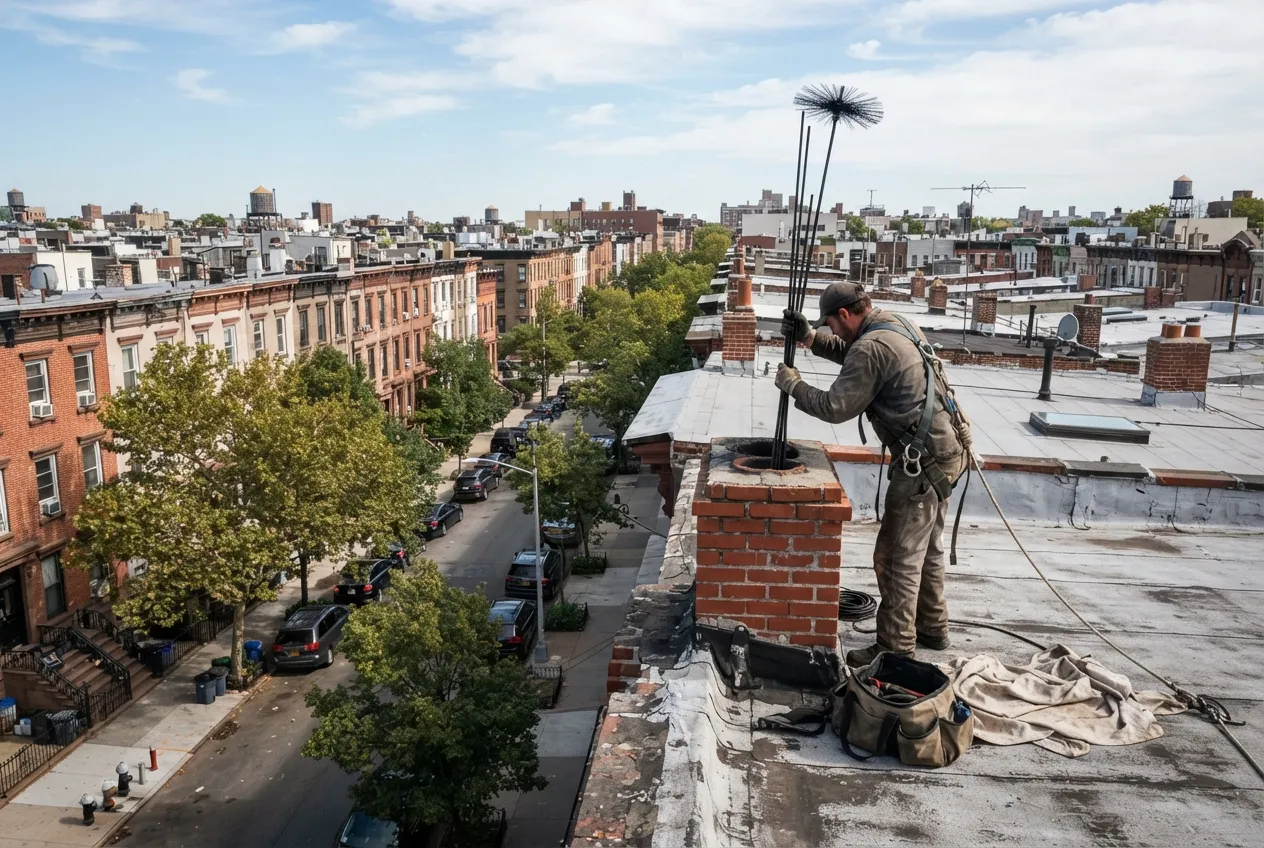
We protect the area around the fireplace or appliance before starting. Then we check the firebox, damper, smoke chamber and flue, plus the connections from any boiler, furnace or water heater that vents into the chimney. Where it is safe and accessible, we also look at the chimney exterior and crown from the roof.
Afterward, we explain what we found in plain terms. You will hear what is in good shape, what needs attention and what can wait. If cleaning or repairs are recommended, we explain why and leave the decision to you.
Serving Brooklyn Heights and Nearby Neighborhoods
Our office is close to Brooklyn Heights, which makes scheduling straightforward for homes and buildings here. We also inspect chimneys in Downtown Brooklyn, DUMBO, Boerum Hill, Fort Greene and the Financial District. Those areas share a similar mix of older masonry and converted heating systems.
More services in Brooklyn Heights
- Chimney Sweep in Brooklyn HeightsLocal service & repairs
- Chimney Repair in Brooklyn HeightsLocal service & repairs
- Air Duct Cleaning in Brooklyn HeightsLocal service & repairs
- Chimney Liner Installation in Brooklyn HeightsLocal service & repairs