The short answer
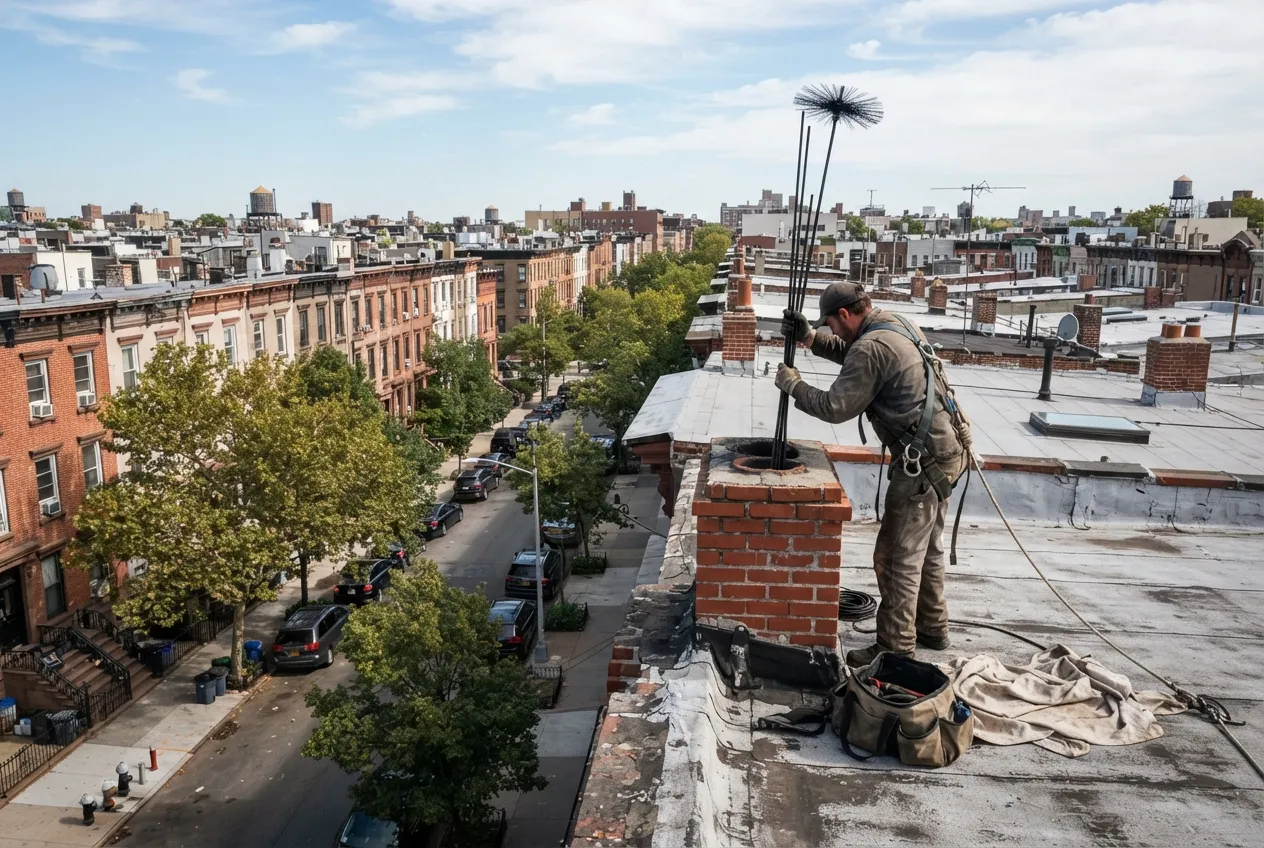
If your Financial District building is converting from oil to gas, adding a new boiler or water heater, or has a cracked or deteriorated flue, a new chimney liner is often needed. Our certified technicians inspect the chimney first, then install a liner sized for the appliance it serves.
The flue liner is the part of a chimney most people never see, yet it does most of the work. It carries hot exhaust and corrosive byproducts up and out of the building and keeps them away from the surrounding masonry and living space. In the Financial District, many chimneys serve older masonry buildings that have changed fuels, changed appliances, or changed uses over the decades. All Star Chimney Sweep installs new chimney liners for apartment buildings and residences throughout lower Manhattan, sized and matched to the equipment they actually serve.
Why Liners Matter in Lower Manhattan Buildings
Much of the housing in the Financial District is in pre-war apartment buildings, converted commercial buildings, and older masonry structures. Their chimneys were often built around coal or heavy oil heat and lined with clay tile, or in some cases not lined at all. Over time, heat cycles, moisture and acidic exhaust can crack tiles, erode mortar joints and leave gaps where exhaust can reach the brick behind them.
A damaged or mismatched flue can draft poorly, let combustion gases back into the building, and speed up masonry decay. A properly sized liner restores a smooth, sealed path for exhaust and protects the chimney structure around it.
Oil-to-Gas Conversions and New Liners
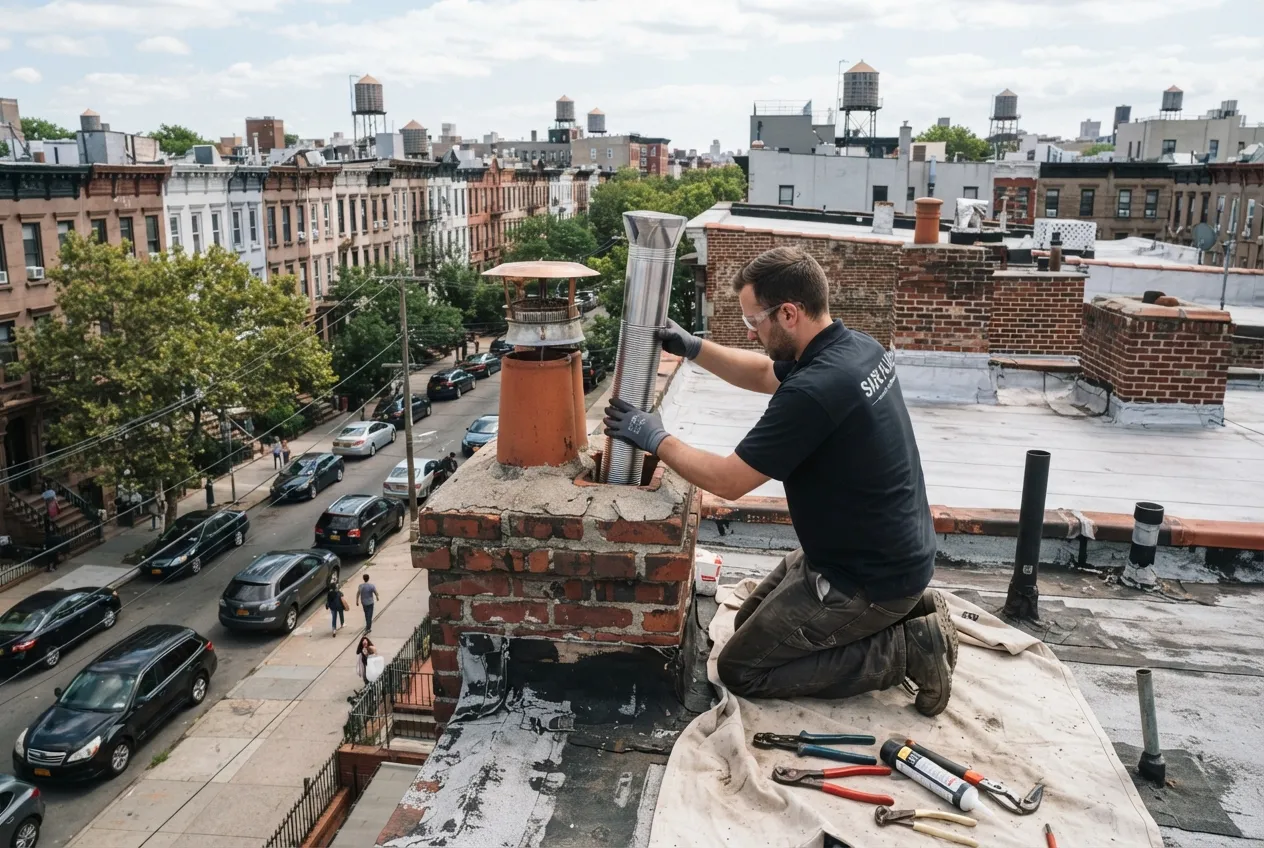
When a New York City building converts its boiler from oil to gas, the chimney has to be evaluated as part of that work. A new liner is often needed because gas exhaust produces acidic condensate that can corrode a masonry flue. An old flue sized for an oil burner is also frequently too large for a modern gas appliance, which can lead to weak draft and more condensation inside the chimney.
We work with building owners, managers and their heating contractors so the chimney evaluation and liner installation fit into the conversion schedule rather than holding it up.
Liner Options We Install
The right liner depends on the fuel, the appliance, the size and shape of the existing flue, and the condition of the masonry. We recommend a liner after inspecting the chimney, not before.
- Stainless steel liners for gas and oil boilers and water heaters, sized to the appliance's venting requirements
- Insulated stainless steel liners where extra protection or better draft is needed
- Liners for wood-burning fireplaces and stoves in residences that still use them
- Relining as part of repairs when an existing clay tile flue is cracked or failing
Time for your annual chimney check?
How Liner Installation Works
Every job starts with a camera inspection of the flue. Under the NFPA 211 standard, a change to the system, such as a new appliance or a switch of fuel, calls for a Level 2 inspection, which includes a video scan of the chimney interior. If a hidden problem has to be reached by opening part of the chimney or building, that becomes a Level 3 inspection.
From there, a typical installation follows these steps:
- Clean the existing flue and remove obstructions or loose debris
- Measure the flue and confirm the liner size for the connected appliance
- Lower the liner from the roof and connect it at the base to the appliance or thimble
- Fit a top plate, rain cap and any insulation the job calls for
- Test draft and review the finished work with you, including photos when possible
Timing Around Heat Season
New York City's heat season runs from October 1 through May 31, and building owners must keep apartments heated to the city's minimum temperatures during that period. Liner work on a building's main heating chimney is easiest to plan in late spring and summer, when the boiler can be taken offline without affecting tenants.
If a problem turns up mid-season, we will talk through options to limit downtime. After installation, the NFPA 211 standard calls for chimneys and vents to be inspected once a year, so it's worth keeping a yearly inspection on the calendar.
Serving the Financial District and Nearby Neighborhoods
We serve Financial District ZIP codes 10005, 10006, 10038, 10271, 10280 and 10282, about 2 miles from our Brooklyn office. Across the river, we also install liners in Brooklyn Heights, Downtown Brooklyn, DUMBO, Boerum Hill and Carroll Gardens, where brownstones and rowhouses often have similar aging flues.
More services in Financial District
- Chimney Sweep in Financial DistrictLocal service & repairs
- Chimney Inspection in Financial DistrictLocal service & repairs
- Chimney Repair in Financial DistrictLocal service & repairs
- Air Duct Cleaning in Financial DistrictLocal service & repairs