The short answer
The NFPA 211 standard calls for chimneys, fireplaces and vents to be inspected once a year, and DUMBO homes are no exception. Most homeowners need a Level 1 inspection. A Level 2 is called for after a sale, a new appliance or a fuel switch such as an oil-to-gas conversion.
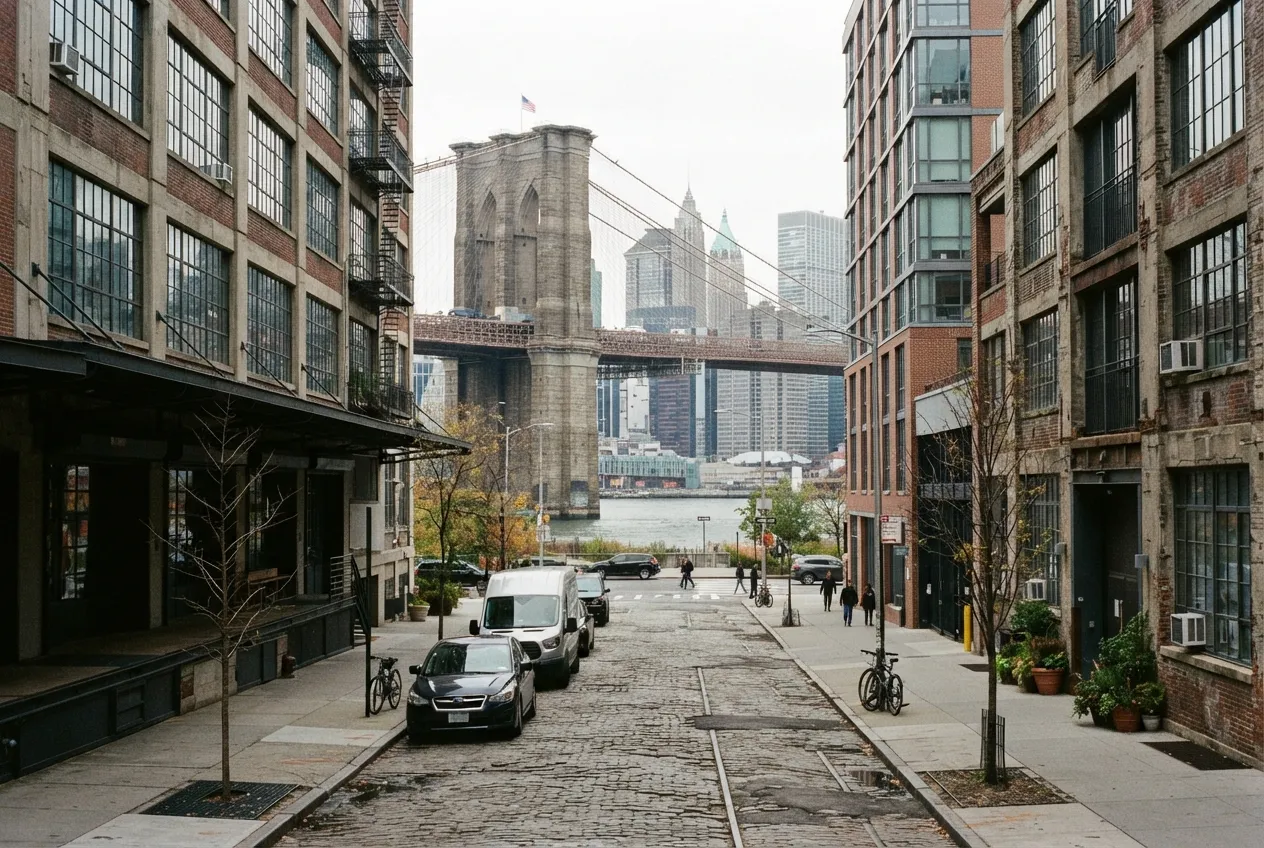
DUMBO's housing ranges from converted industrial loft buildings to pre-war apartment buildings and a smaller number of rowhouses. Many units have a working fireplace, and many buildings vent a boiler or water heater through a masonry chimney. Whatever the setup, the chimney needs a careful look on a regular schedule. All Star Chimney Sweep is based in Brooklyn, about a mile from DUMBO, and our certified technicians inspect chimneys, fireplaces and vents throughout the 11201 ZIP code. This page explains what an inspection covers, which level you likely need, and how to prepare.
Why DUMBO Chimneys Deserve a Yearly Look
Many DUMBO buildings were built for industrial use and later converted to homes. Converted buildings often have flues that have been extended, relined, shared or repurposed over time. A fireplace added during a loft conversion may connect to masonry that is much older than the unit itself. Older chimneys can hide cracked flue tiles, deteriorated mortar joints or leftover debris that you can't see from the firebox.
The national fire safety standard NFPA 211 calls for chimneys, fireplaces and vents to be inspected once a year. That applies whether you burn wood every weekend or only light a fire on a few winter nights. It also applies to flues that serve gas or oil heating equipment, which run constantly during the city's heat season from October 1 through May 31.
Which Inspection Level Do You Need?
Chimney professionals use three inspection levels. The right one depends on what has changed in your home, not on how worried you are. We'll tell you which level fits your situation before any work begins.
- Level 1: For chimneys where nothing has changed since the last inspection. We check the accessible parts of the chimney, the firebox, the damper and the connections for soundness, blockages and buildup.
- Level 2: Needed when the system changes, such as a new stove, insert or boiler, or a switch of fuel. It's also needed when the home is being sold. It adds a video camera scan of the flue interior plus a check of accessible areas such as attics and basements.
- Level 3: Used only when a hidden hazard has to be reached by opening part of the chimney or the building, such as a wall or chase. We recommend it only when a Level 2 points to a problem that can't be confirmed any other way.
Oil-to-Gas Conversions and Liners
Some DUMBO buildings have converted, or plan to convert, their boilers from oil to gas. When a New York City building makes that change, the chimney has to be evaluated as part of the work. A new liner is often needed. Gas exhaust produces acidic condensate, and that moisture can corrode a masonry flue that was never designed for it.
If your building or unit is planning a conversion, a Level 2 inspection gives the owner, the contractor and the board a clear picture of the flue's condition. You'll know what the chimney needs before the new equipment goes in, rather than after a problem shows up.
Time for your annual chimney check?
What Happens During Your Inspection
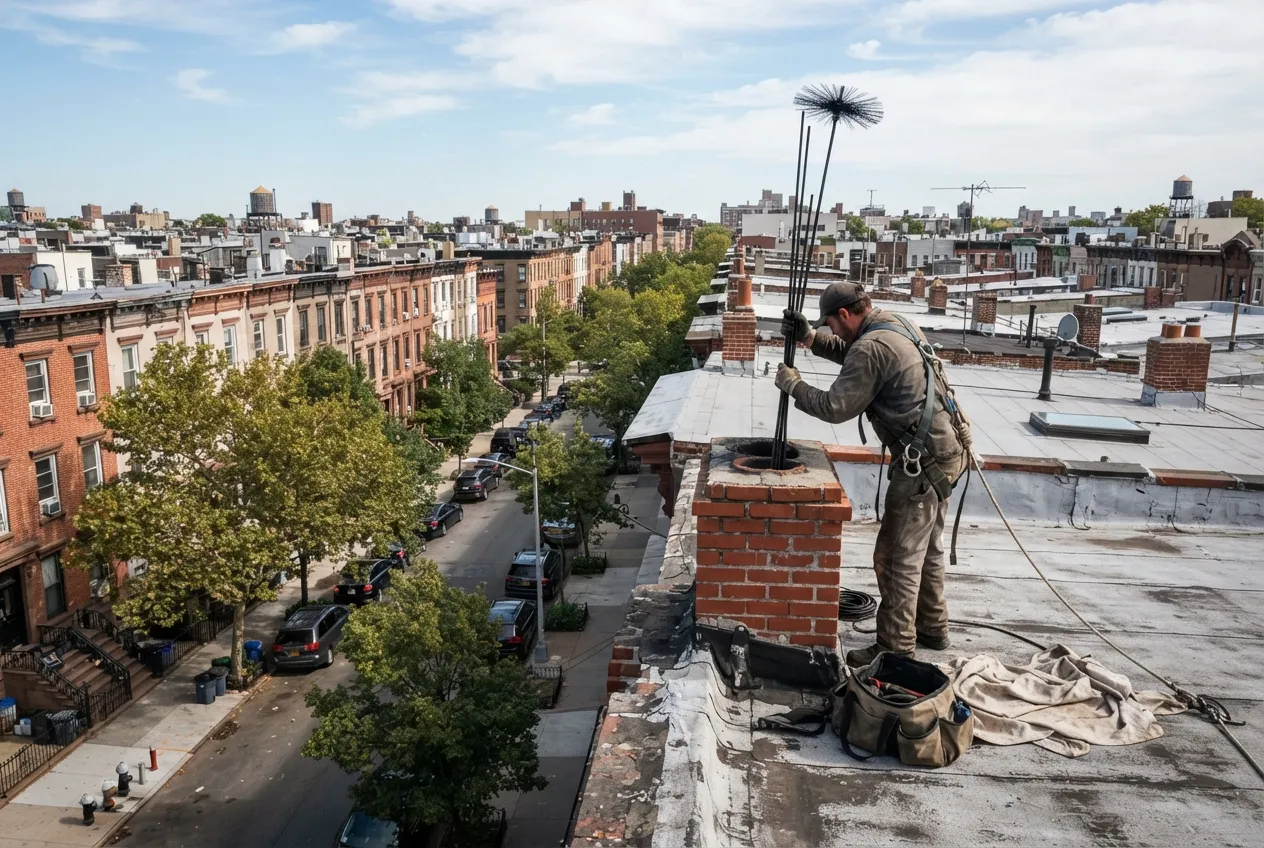
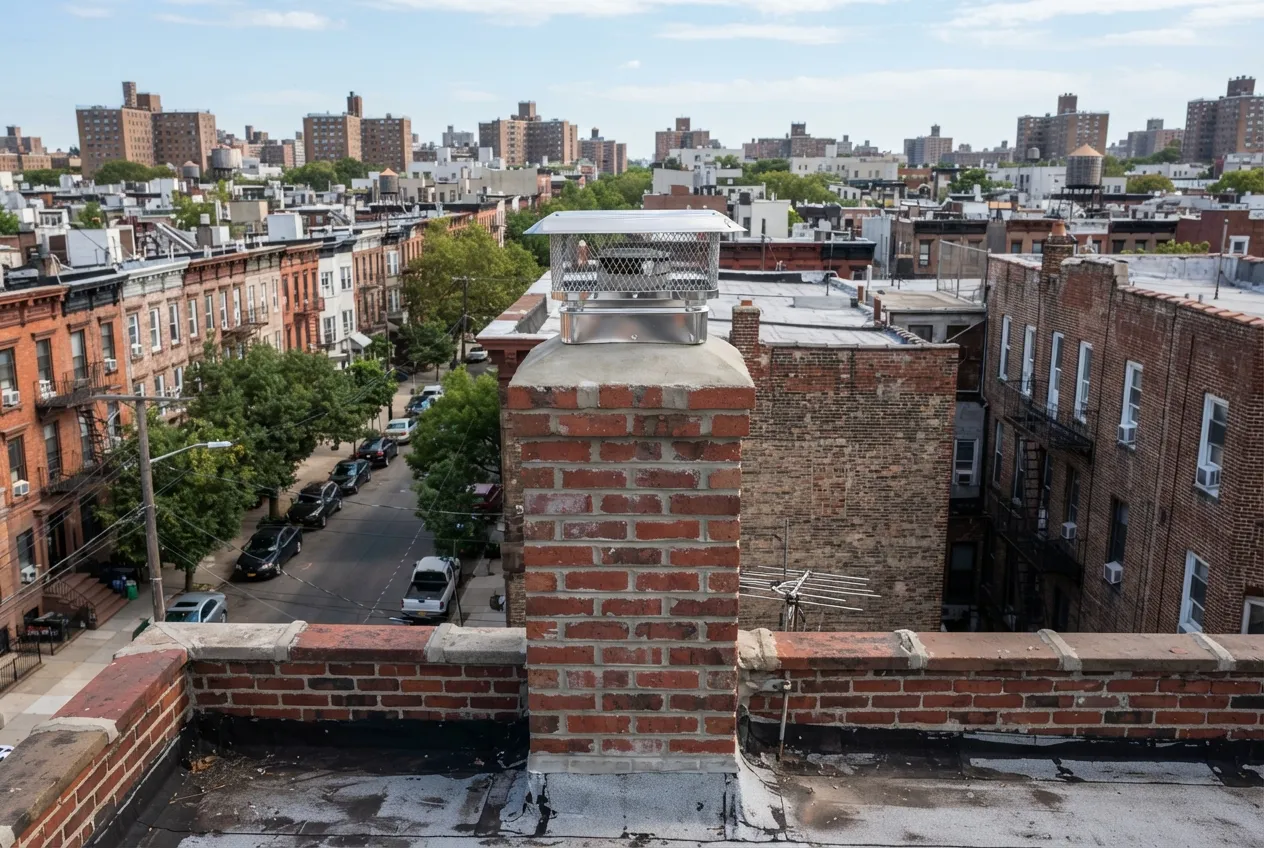
We start by asking how you use the fireplace or appliance and whether anything has changed. Then we examine the firebox, smoke chamber, damper and flue. We note creosote buildup, cracked or missing liner sections, water damage and obstructions such as nests or fallen masonry. When roof access is available and safe, we check the crown, cap and exterior masonry too.
Afterward we explain what we found in plain terms. You get a written summary you can share with a building manager, co-op or condo board, or buyer. If the chimney needs a sweep or repair, we'll tell you what's urgent and what can wait.
Planning Around DUMBO Buildings
Many homes in DUMBO are in multi-unit buildings, so roof and basement access usually goes through management. Let your building staff know the appointment time, and confirm whether we can reach the roof. Schedule before or early in the heat season if you can, because fall is the busiest time for inspections across Brooklyn.
Before we arrive, avoid using the fireplace for about a day so the firebox is cool. Clear a few feet of space around the hearth. We also serve nearby Downtown Brooklyn, Brooklyn Heights, Boerum Hill, Fort Greene and Carroll Gardens.
More services in DUMBO
- Chimney Sweep in DUMBOLocal service & repairs
- Chimney Repair in DUMBOLocal service & repairs
- Air Duct Cleaning in DUMBOLocal service & repairs
- Chimney Liner Installation in DUMBOLocal service & repairs