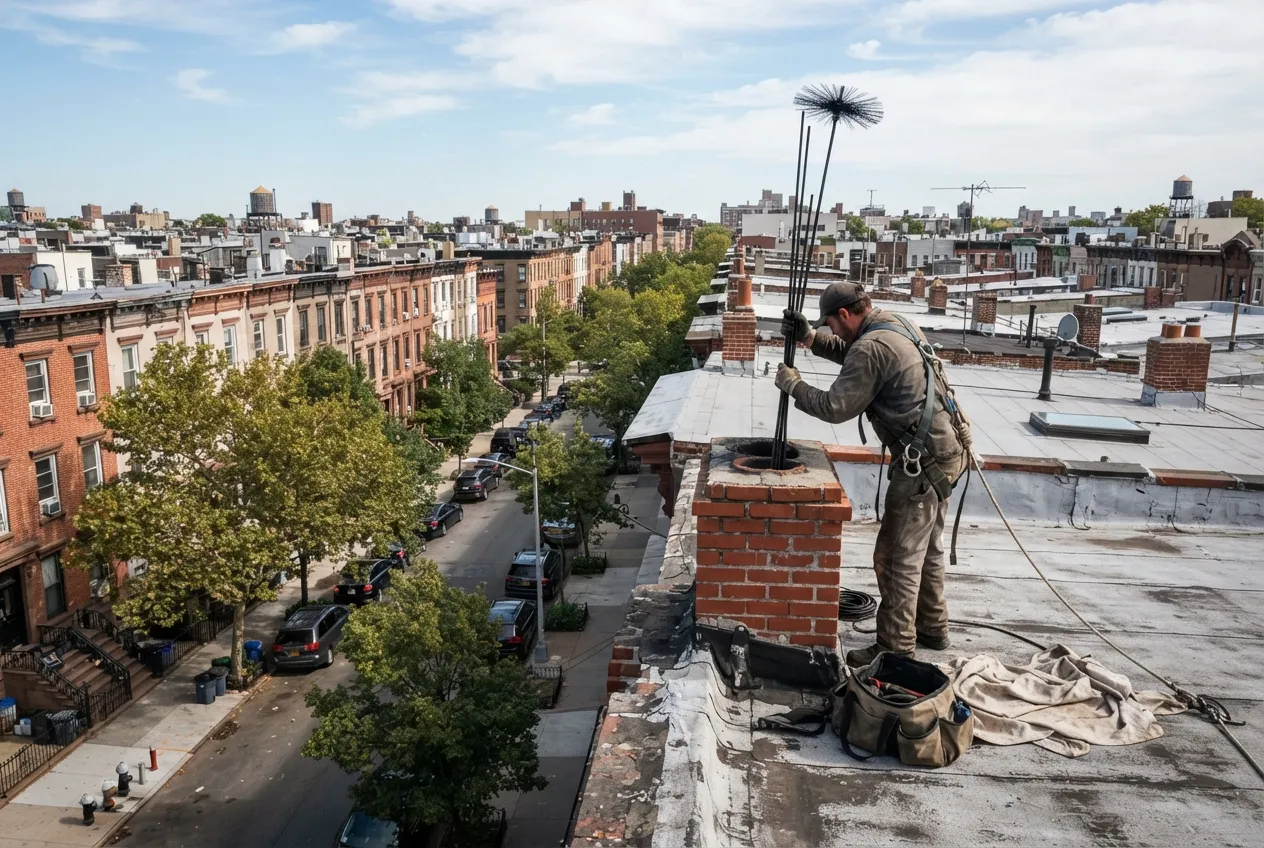
The short answer
Many Cobble Hill brownstones and rowhouses have cracked, original or missing flue liners, and oil-to-gas boiler conversions often require a new liner. All Star Chimney Sweep inspects the flue first, then installs a stainless steel, cast-in-place or clay liner sized to your appliance.
Many Cobble Hill homes were built long before modern heating equipment, and their chimneys often show it. A flue liner is the protective channel inside the chimney. It carries smoke or exhaust safely out of the house and keeps heat and corrosive byproducts away from the surrounding brick. All Star Chimney Sweep installs chimney liners from our office at 543 Henry St. Homeowners in ZIP code 11231 and nearby parts of Brooklyn work with crews who already know how the neighborhood's older masonry chimneys are built.
Why Older Cobble Hill Chimneys Need Attention
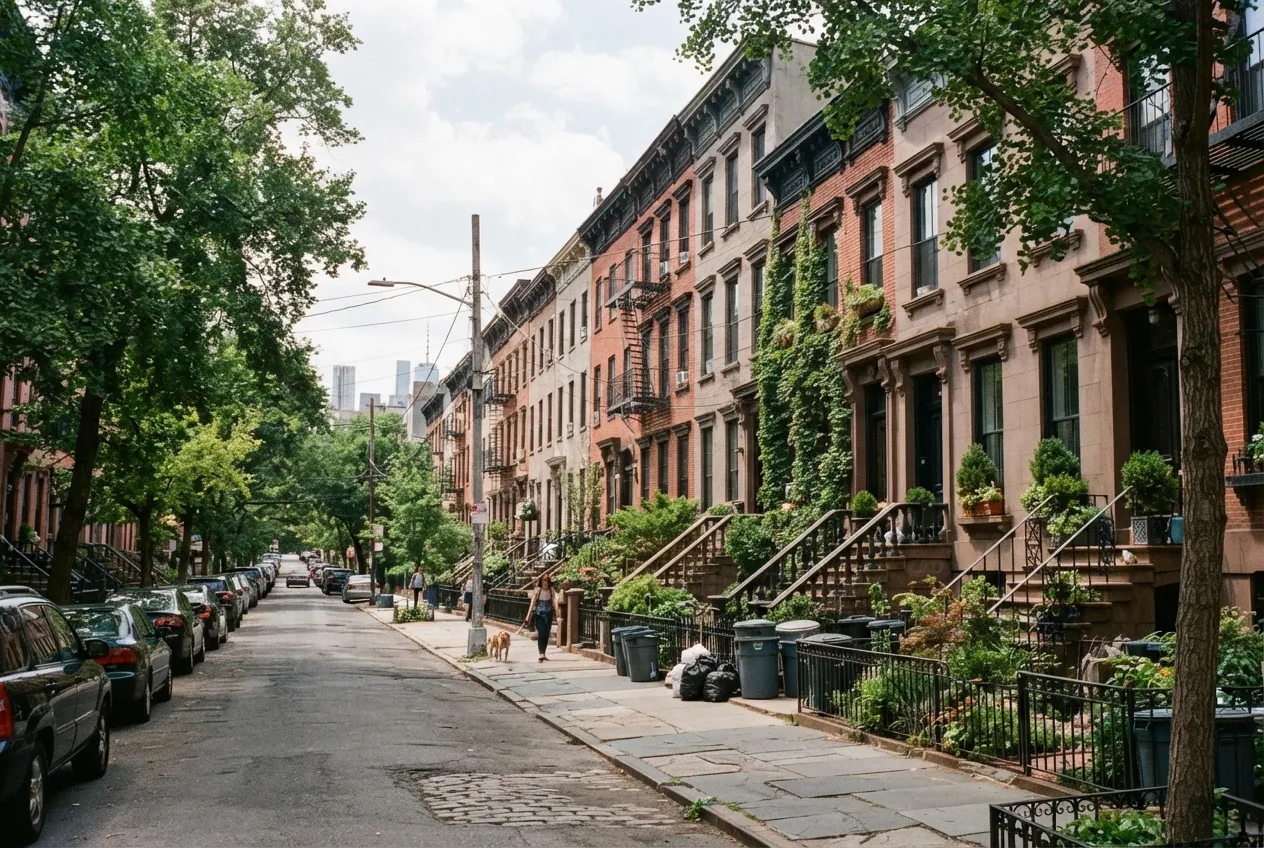
Cobble Hill's housing is mostly brownstones, brick rowhouses and pre-war apartment buildings. Their chimneys were typically built for coal or wood fires. Many have original clay tile liners, partial liners, or no liner at all. Over the decades, tiles crack and mortar joints wash out. Because attached houses share walls, a flue problem in one home can affect the house next door.
A damaged or missing liner can let heat reach wood framing, let exhaust gases leak into living space, and let moisture break down the brick from the inside. A liner sized to the appliance it serves also helps the chimney draft properly, which matters for both fireplaces and boilers.
Oil-to-Gas Conversions and Relining
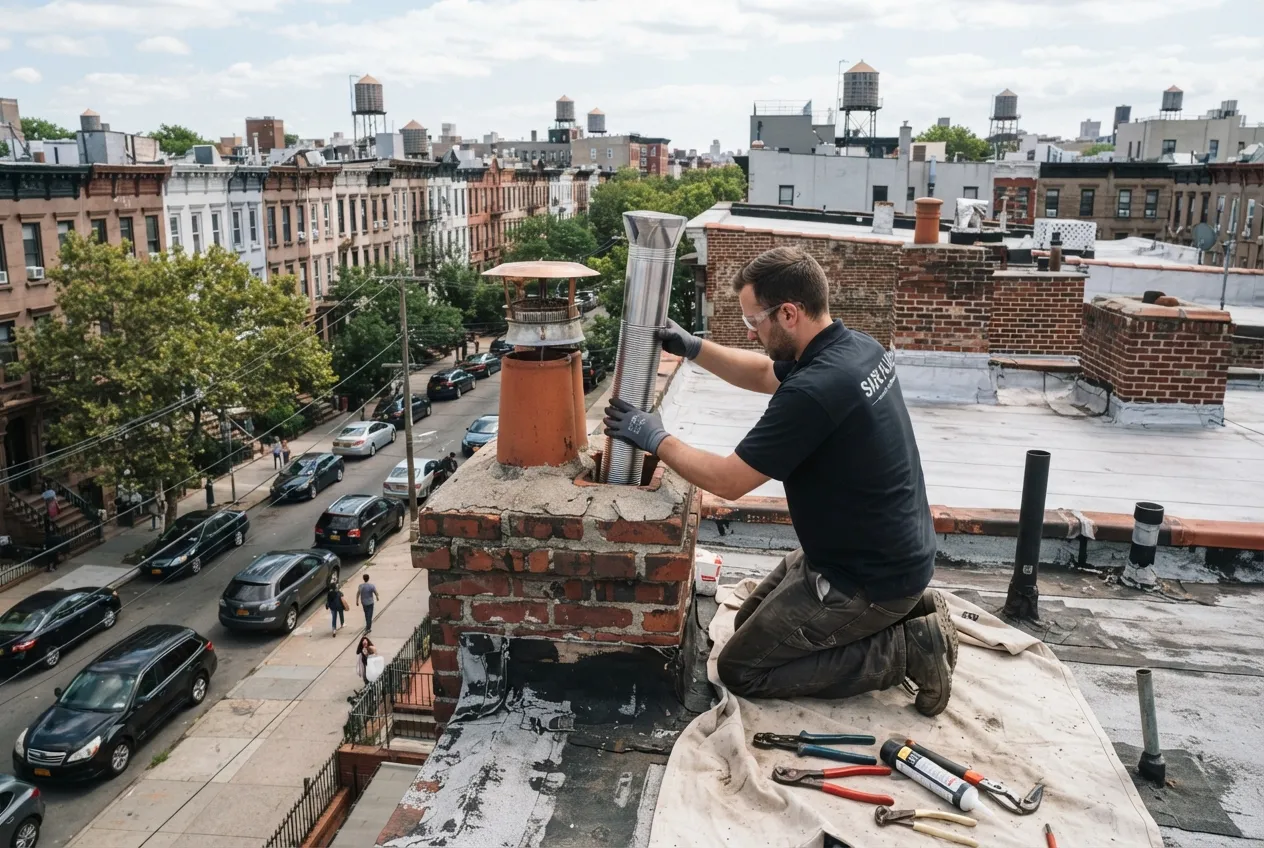
When a New York City building converts its boiler from oil to gas, the chimney has to be evaluated as part of the work. A new liner is often needed because gas exhaust produces acidic condensate that can corrode a masonry flue. In a brownstone or small apartment building, that corrosion can go unnoticed until bricks spall, mortar collects at the base of the chimney, or stains appear on interior walls.
If you are planning a conversion or replacing a boiler or water heater, bring us in early. We can coordinate with your heating contractor so the liner is matched to the new equipment instead of being added as an afterthought.
Start With the Right Inspection
The NFPA 211 standard calls for chimneys, fireplaces and vents to be inspected once a year. It matches the depth of the inspection to the situation. A Level 2 inspection applies when the system changes, such as a new appliance or a switch of fuel, or when a home is sold. A Level 3 inspection is for cases where a hidden hazard can only be reached by opening part of the chimney or building.
Before recommending a liner, our certified technicians examine the flue with a camera. They check its size and condition and look at how the chimney connects to the appliance. You'll see what we found and why we're recommending a particular approach.
Time for your annual chimney check?
Liner Options We Install
The right liner depends on the appliance, the fuel and the shape of the existing flue. Common choices for Cobble Hill homes include:
Sizing matters. A liner that is too large or too small for the appliance can cause poor draft, condensation and buildup, so we size each liner to the equipment it will serve.
- Stainless steel liners, flexible or rigid, for gas and oil boilers, water heaters and many wood-burning setups
- Insulated stainless steel liners where the flue needs extra protection or better draft
- Cast-in-place liners, which form a new, smooth flue inside an irregular or deteriorated masonry chimney
- Clay tile replacement where a traditional liner suits the chimney and access allows it
Planning Around Heat Season
New York City's heat season runs from October 1 through May 31. During that time, building owners must keep apartments heated to the city's minimum temperatures. If you own a multi-unit building, scheduling relining for late spring or summer avoids shutting down heat when tenants depend on it. If a problem turns up mid-winter, we'll talk through how to keep downtime short.
On installation day, our crew protects your floors and the area around the fireplace or boiler. We work from the roof and the base of the chimney, and we clean up before leaving. Roofs on attached houses here often need careful access, and we plan for that ahead of time.
Serving Cobble Hill and Nearby Neighborhoods
Our office is on Henry St, so Cobble Hill is home base. We also install chimney liners in Carroll Gardens, Gowanus, Red Hook, Park Slope and Brooklyn Heights. These neighborhoods have the same mix of brownstones, rowhouses and older apartment buildings, and the same questions about aging flues.
More services in Cobble Hill
- Chimney Sweep in Cobble HillLocal service & repairs
- Chimney Inspection in Cobble HillLocal service & repairs
- Chimney Repair in Cobble HillLocal service & repairs
- Air Duct Cleaning in Cobble HillLocal service & repairs