The short answer
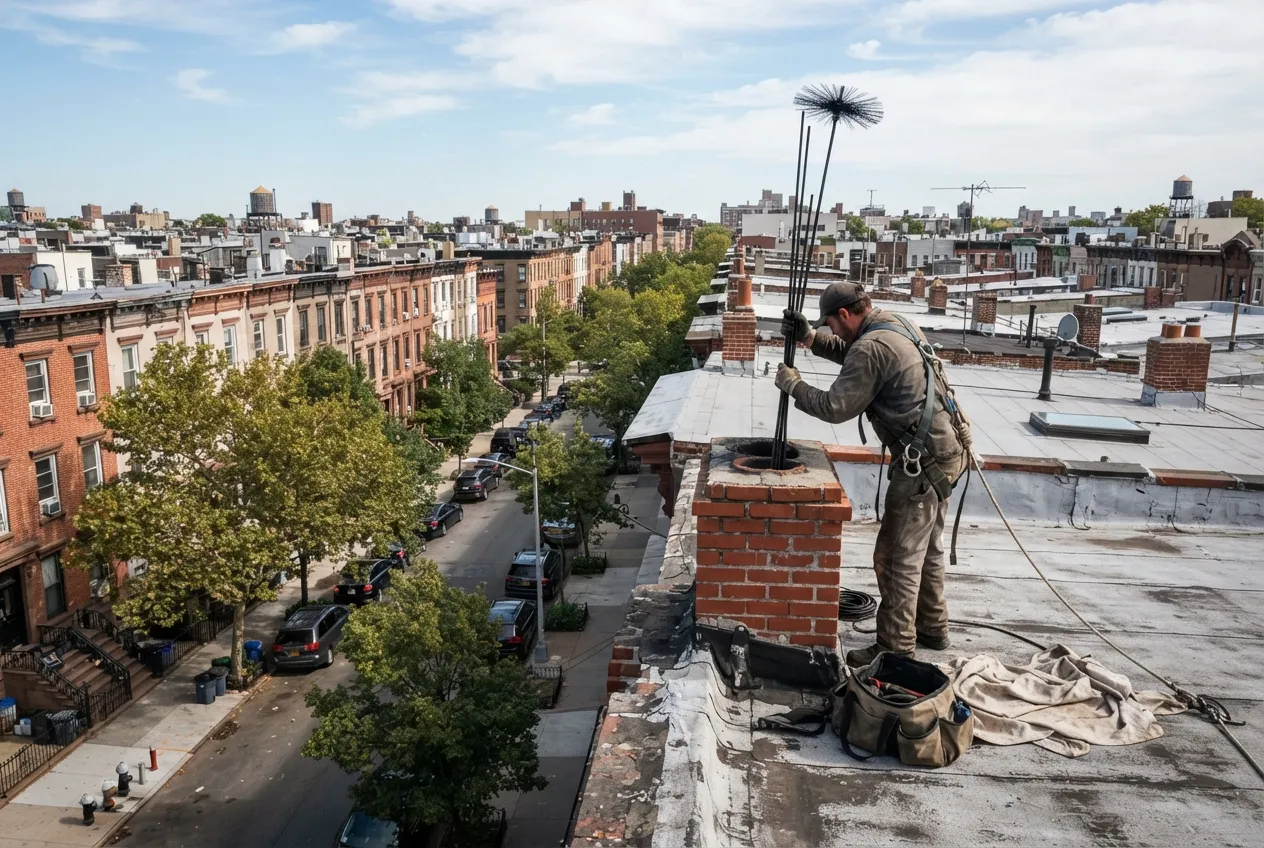
Yes, All Star Chimney Sweep serves South Slope (ZIP 11215) with chimney sweeping, inspections, repairs, liners, waterproofing, and air duct and dryer vent cleaning. Most chimneys should be inspected once a year. The best time to schedule is before the city's heat season starts on October 1.
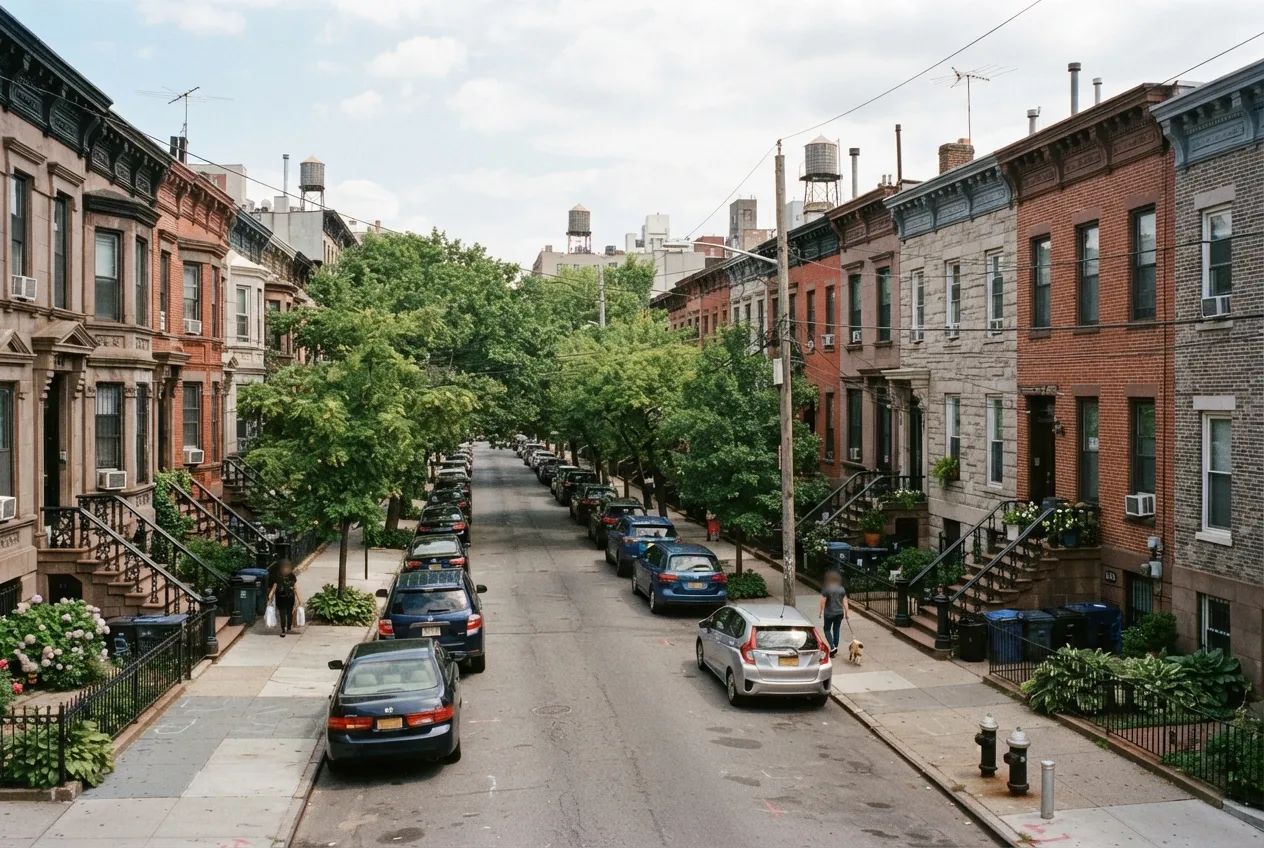
All Star Chimney Sweep serves homeowners and building owners throughout South Slope, about 2 miles southeast of our Brooklyn office. The neighborhood's rowhouses, brownstones, frame houses and pre-war walk-ups often have chimneys that have served several generations of heating equipment, from coal and oil to gas. Our certified technicians clean, inspect and repair those chimneys. We also clean air ducts and dryer vents so the systems that heat, cool and ventilate your home work the way they should.
Chimney Services for South Slope Homes
South Slope's housing is mostly attached masonry buildings, many with chimneys shared by several flues or by neighboring units. Brick and mortar that have weathered many Brooklyn winters can develop cracks, loose crowns and failing joints that are hard to spot from the sidewalk. We look at the whole system, from the firebox or appliance connection up to the top of the stack.
Services we offer in South Slope include:
- Chimney sweep for wood-burning fireplaces and stoves
- Chimney inspection at the level your situation calls for
- Chimney repair, including crowns, mortar joints and flashing
- Chimney liner installation for gas, oil and wood appliances
- Chimney cap and chase cover installation
- Chimney waterproofing for exposed masonry
- Fireplace and damper repair
- Chimney rebuilding when the masonry is too far gone to patch
Annual Inspections and When You Need More
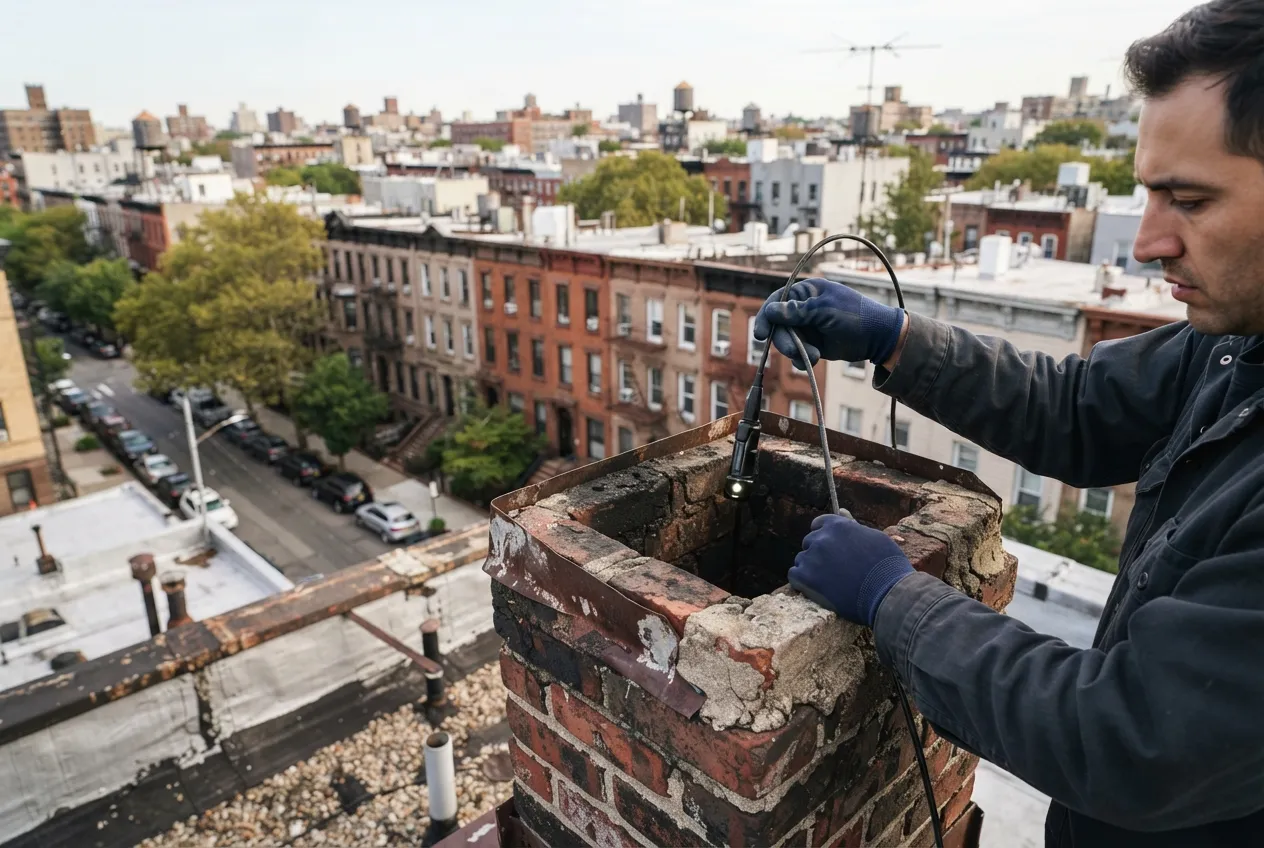
The NFPA 211 standard calls for chimneys, fireplaces and vents to be inspected once a year. If nothing about your system has changed, a basic Level 1 inspection usually covers it. A Level 2 inspection is the right choice when you install a new boiler or furnace, switch fuels, or buy or sell a home. That last case comes up often in a neighborhood where houses and co-ops change hands regularly.
A Level 3 inspection is reserved for cases where a suspected hidden hazard can only be reached by opening part of the chimney or building. We explain why before recommending it, and we show you what we find.
Oil-to-Gas Conversions and Chimney Liners
Many older Brooklyn buildings have converted, or are planning to convert, from oil heat to gas. When a New York City building converts its boiler from oil to gas, the chimney has to be evaluated as part of the work. A new liner is often needed because gas exhaust produces acidic condensate that can corrode an unlined or poorly lined masonry flue.
If your South Slope building is going through a conversion, we can inspect the flue, size and install a properly matched liner, and coordinate with your heating contractor so the chimney is ready when the new equipment is.
Time for your annual chimney check?
How Brooklyn Weather Affects Your Chimney
New York's climate is hard on masonry. Rain and melting snow soak into brick and mortar, and repeated freeze-thaw cycles through the winter widen small cracks. Coastal storms add wind-driven rain. Humid summers can bring out musty odors in damp fireboxes and draw moisture into flues.
A sound crown, a properly fitted cap or chase cover, good flashing and a breathable waterproofing treatment keep water out and slow that damage. Because New York City's heat season runs from October 1 through May 31, late spring and summer are good times to handle repairs, before boilers and fireplaces are back in daily use.
Air Duct and Dryer Vent Cleaning
According to the U.S. Fire Administration, failure to clean is the leading factor in home clothes dryer fires. In rowhouses and apartments, dryer vents often run long distances or make several turns before they reach the outside, which lets lint build up. We clean the full run and check that air moves freely at the exterior termination.
For air ducts, we follow the U.S. EPA's guidance. Cleaning makes sense when there is substantial visible mold growth, signs of vermin, or excessive dust and debris. The EPA notes that duct cleaning has not been shown to prevent health problems. It also advises caution with chemical treatments and with very cheap advertised offers. We tell you honestly whether your ducts need cleaning.
ZIP codes we serve
- 11215