The short answer
A chimney liner seals and sizes the flue so smoke and exhaust leave the building safely without damaging the masonry. In Prospect Heights, liners are most often needed in older brownstones, rowhouses and pre-war buildings with deteriorated clay tile flues, and when a boiler is converted from oil to gas.
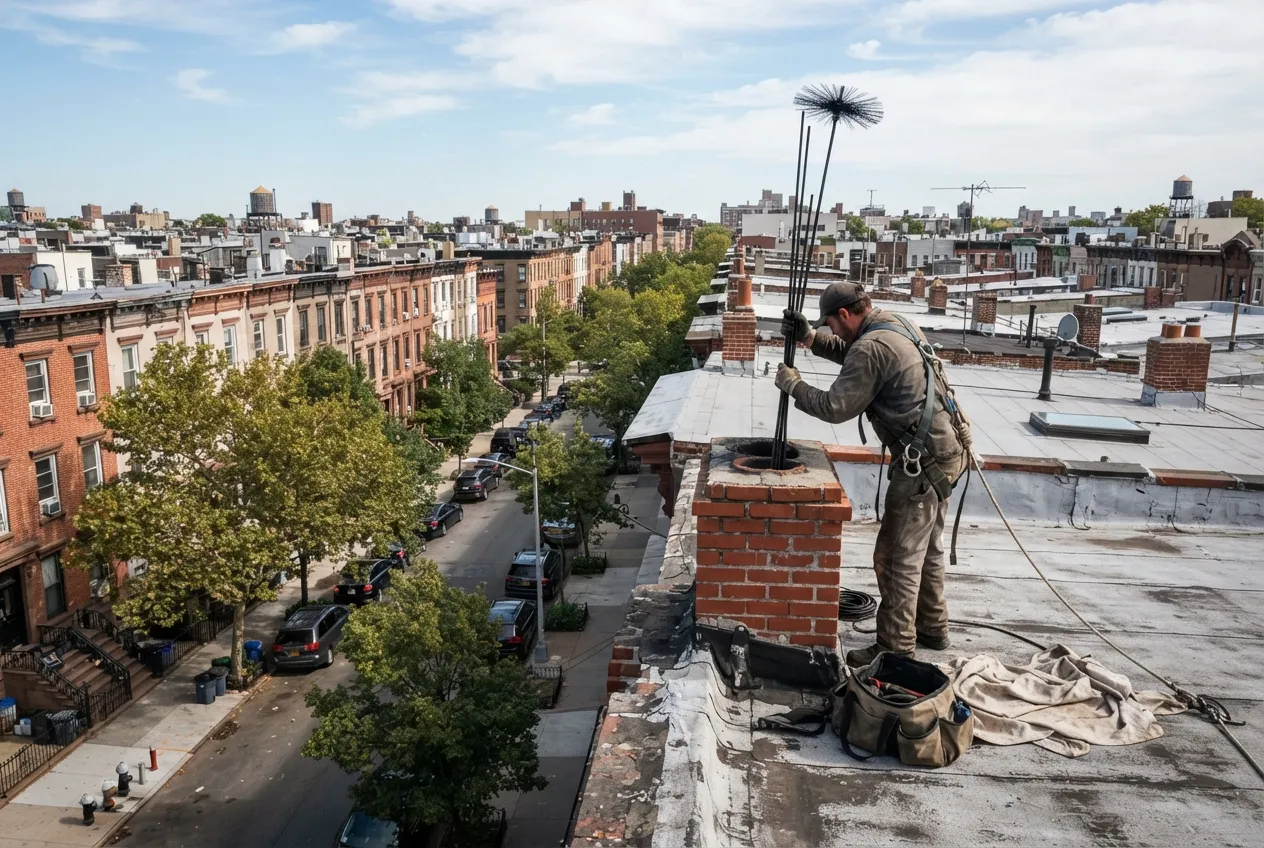
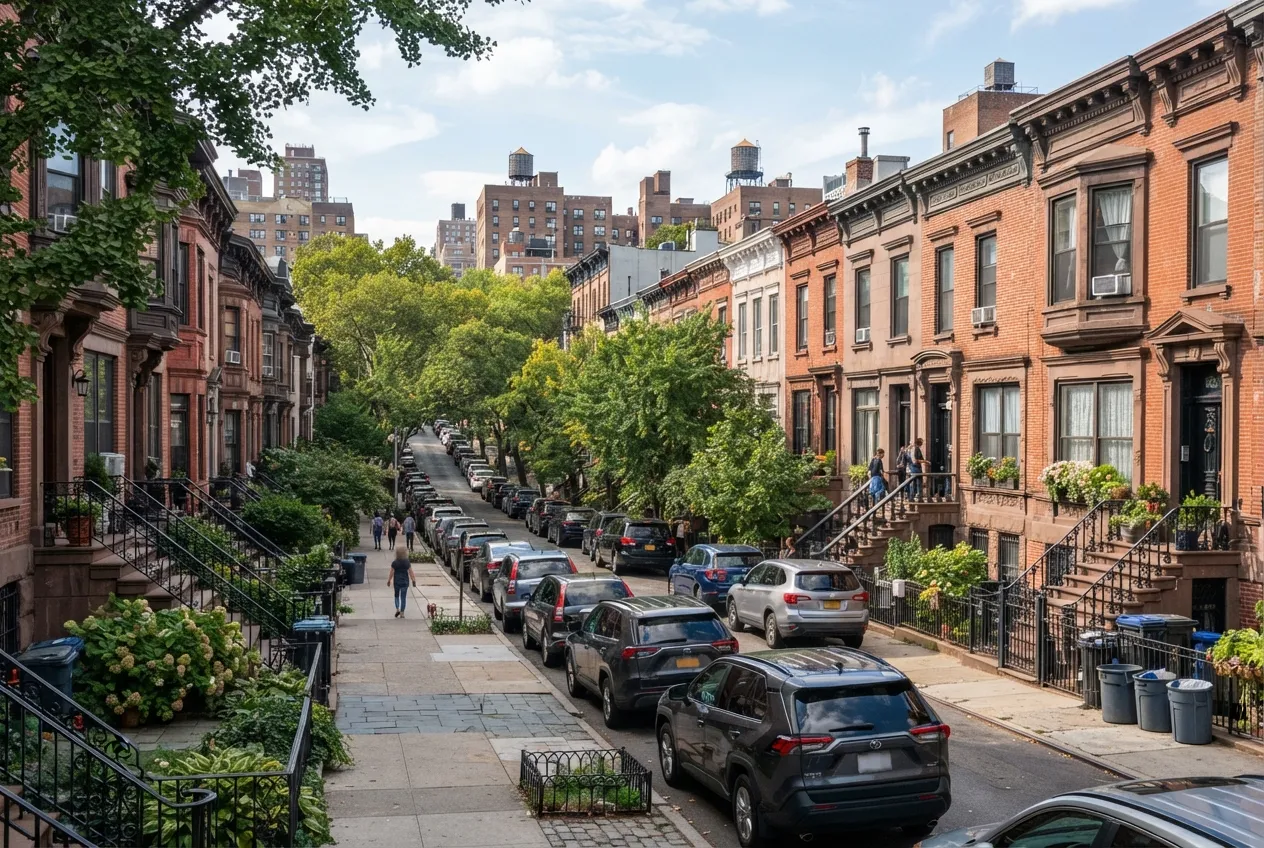
Many homes in Prospect Heights were built long before today's boilers, water heaters and gas inserts existed. Brownstones, rowhouses and pre-war apartment buildings often have masonry chimneys with old clay tile flues, cracked or missing tiles, or no liner at all. A chimney liner gives exhaust a sealed, correctly sized path out of the building and protects the brick around it. All Star Chimney Sweep installs chimney liners for homes and buildings throughout Prospect Heights, about 2 miles east of our Brooklyn office. Here is how the work goes and when it makes sense.
Why Liners Matter in Prospect Heights Homes
Most chimneys in older Brooklyn housing are brick and mortar, sometimes with a clay tile liner set inside when the building went up. Over many decades, heat cycles, moisture and freeze-thaw weather crack those tiles and wash out the mortar joints. Once that happens, exhaust and heat can reach the brick directly, and gases such as carbon monoxide have more ways to escape into living space.
In attached homes, the stakes are shared. Rowhouses and brownstones sit wall to wall, and many chimneys run inside party walls or alongside flues that serve other units. A sound liner keeps your exhaust in your flue and helps keep moisture and heat away from framing and finished walls on both sides.
Oil-to-Gas Conversions and New Liners
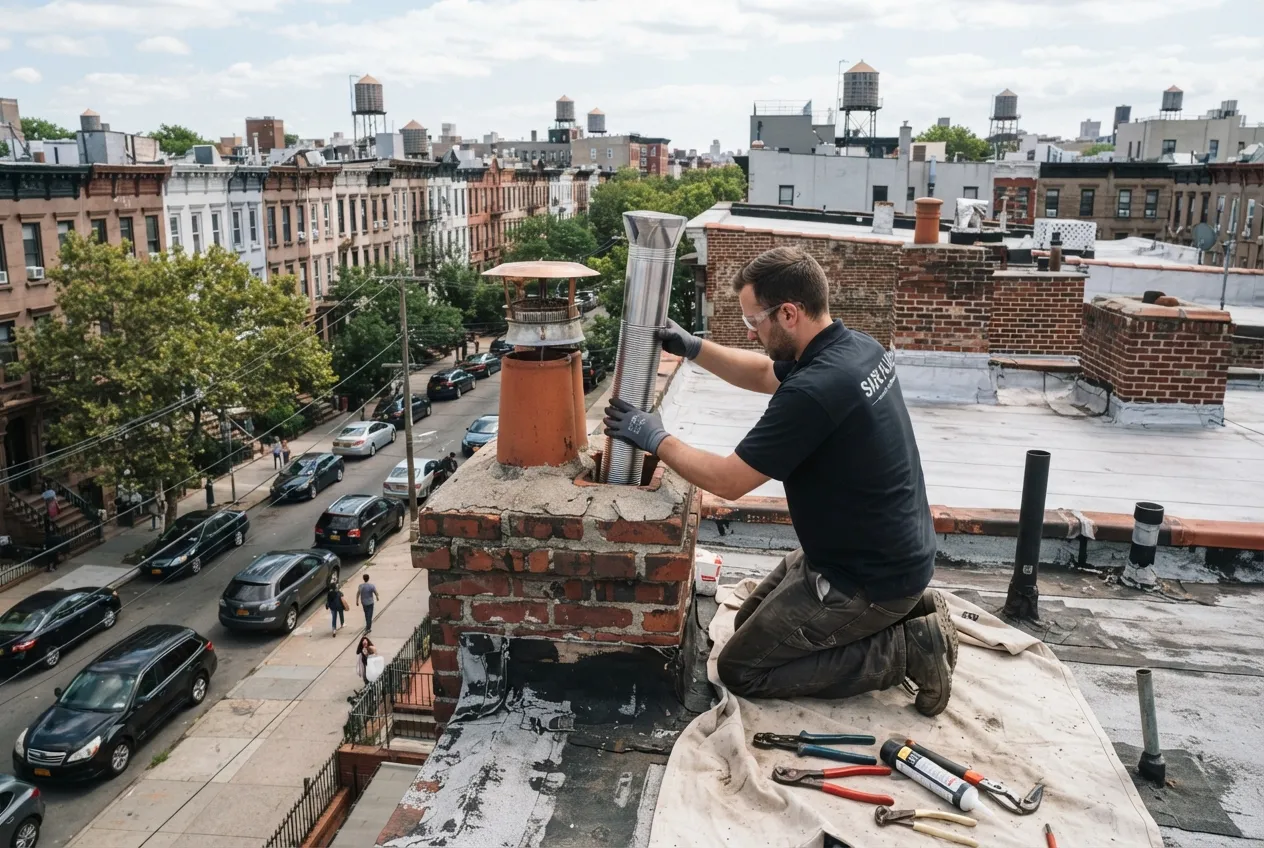
Boiler conversions are one of the most common reasons we line chimneys in Brooklyn. When a New York City building converts its boiler from oil to gas, the chimney has to be evaluated as part of the work. A new liner is often needed because gas exhaust produces acidic condensate that can corrode a masonry flue.
That corrosion is not always obvious at first. Over time, the condensate can eat at mortar and tile, leading to debris at the base of the chimney, stains on interior walls, and a flue that no longer drafts properly. Lining the chimney at the time of conversion is usually simpler than repairing damage later. A properly sized liner also helps the new appliance vent the way it was designed to.
Signs Your Flue May Need a Liner
An inspection is the only way to know the condition of a flue, but these are common reasons Prospect Heights owners call us:
- You are converting a boiler or water heater from oil to gas, or installing a new appliance
- Pieces of tile, mortar or brick are collecting at the chimney base or cleanout
- There are water stains, white deposits or peeling paint on walls near the chimney
- Smoke or fumes drift back into the room when a fireplace or appliance runs
- A previous inspection found cracked, gapped or missing flue tiles
- The chimney has never been lined, which is common in older buildings
Time for your annual chimney check?
How Liner Installation Works
The NFPA 211 standard calls for chimneys, fireplaces and vents to be inspected once a year. When the system changes, such as a new appliance or a switch of fuel, chimney professionals use a Level 2 inspection, which includes a camera view of the flue's interior. That inspection tells us what kind of liner fits your chimney and your equipment.
A typical job with our certified technicians follows these steps:
- Inspect the flue and confirm what appliance or fireplace it serves
- Size the liner to match the appliance's venting needs and the flue's dimensions
- Choose a liner type, commonly stainless steel for gas and oil appliances
- Clean the flue and clear debris or obstructions before installation
- Run the liner from the appliance connection to the top of the chimney and secure it
- Install a top plate and cap to keep out rain, debris and animals
- Check draft and connections once the appliance is running
Planning Around Heat Season
New York City's heat season runs from October 1 through May 31. During those months, building owners must keep apartments heated to the city's minimum temperatures, so taking a boiler offline for chimney work in winter is harder to manage. If you own a multi-unit brownstone or a pre-war building, scheduling liner work in late spring or summer gives you room to finish before heating demand returns.
For conversions already underway, we coordinate with your heating contractor so the chimney is ready when the new equipment is.
Serving Prospect Heights and Nearby Neighborhoods
Our crews work in Prospect Heights regularly and also install chimney liners in Park Slope, Fort Greene, Downtown Brooklyn, DUMBO and Boerum Hill. Whether you own a single-family rowhouse or manage a pre-war building, we start with an inspection and give you a clear explanation of what your chimney needs before any work begins.
More services in Prospect Heights
- Chimney Sweep in Prospect HeightsLocal service & repairs
- Chimney Inspection in Prospect HeightsLocal service & repairs
- Chimney Repair in Prospect HeightsLocal service & repairs
- Air Duct Cleaning in Prospect HeightsLocal service & repairs