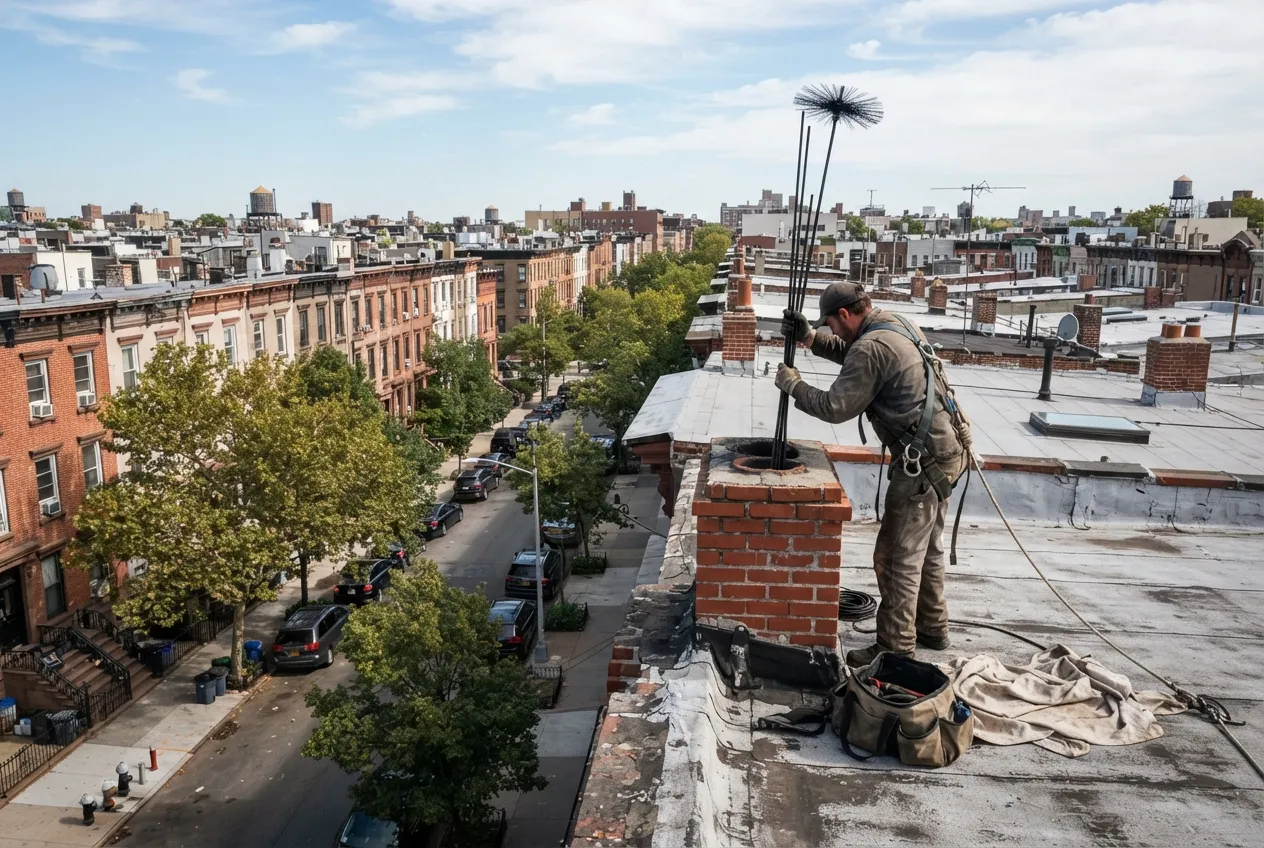
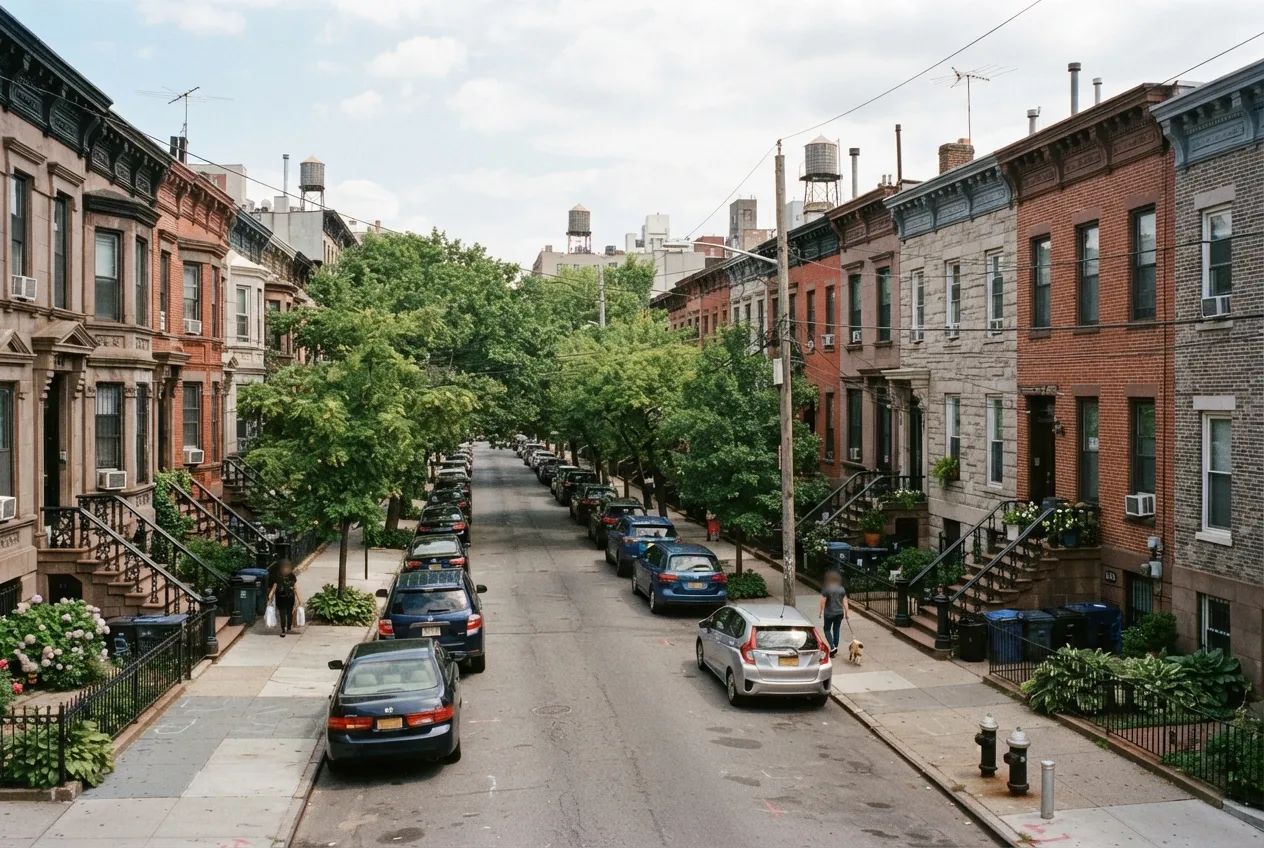
The short answer
Yes, All Star Chimney Sweep serves East Village, Manhattan, including ZIP codes 10003 and 10009, about 3 miles from our Brooklyn office. We clean, inspect, repair, and reline chimneys and clean air ducts and dryer vents in the neighborhood's rowhouses and older apartment buildings.
East Village sits about 3 miles north of our Brooklyn office, and we work throughout ZIP codes 10003 and 10009. The neighborhood's housing is mostly older: walk-up apartment buildings, pre-war multifamily buildings, and rowhouses, many with masonry chimneys that have served several generations of heating equipment. All Star Chimney Sweep handles chimney sweeping, inspection, repair, and rebuilding, along with liner installation, waterproofing, caps and chase covers, fireplace and damper repair, and air duct and dryer vent cleaning. Whether you own a single rowhouse or manage a building, our certified technicians can help you understand your venting system and keep it working safely.
Chimney Care for Older East Village Buildings
Many East Village buildings were built long before modern gas boilers and high-efficiency appliances. Their chimneys were often designed for coal or oil, then adapted over the decades as heating systems changed. That history matters. A flue that worked fine for one appliance may be the wrong size or condition for the next one.
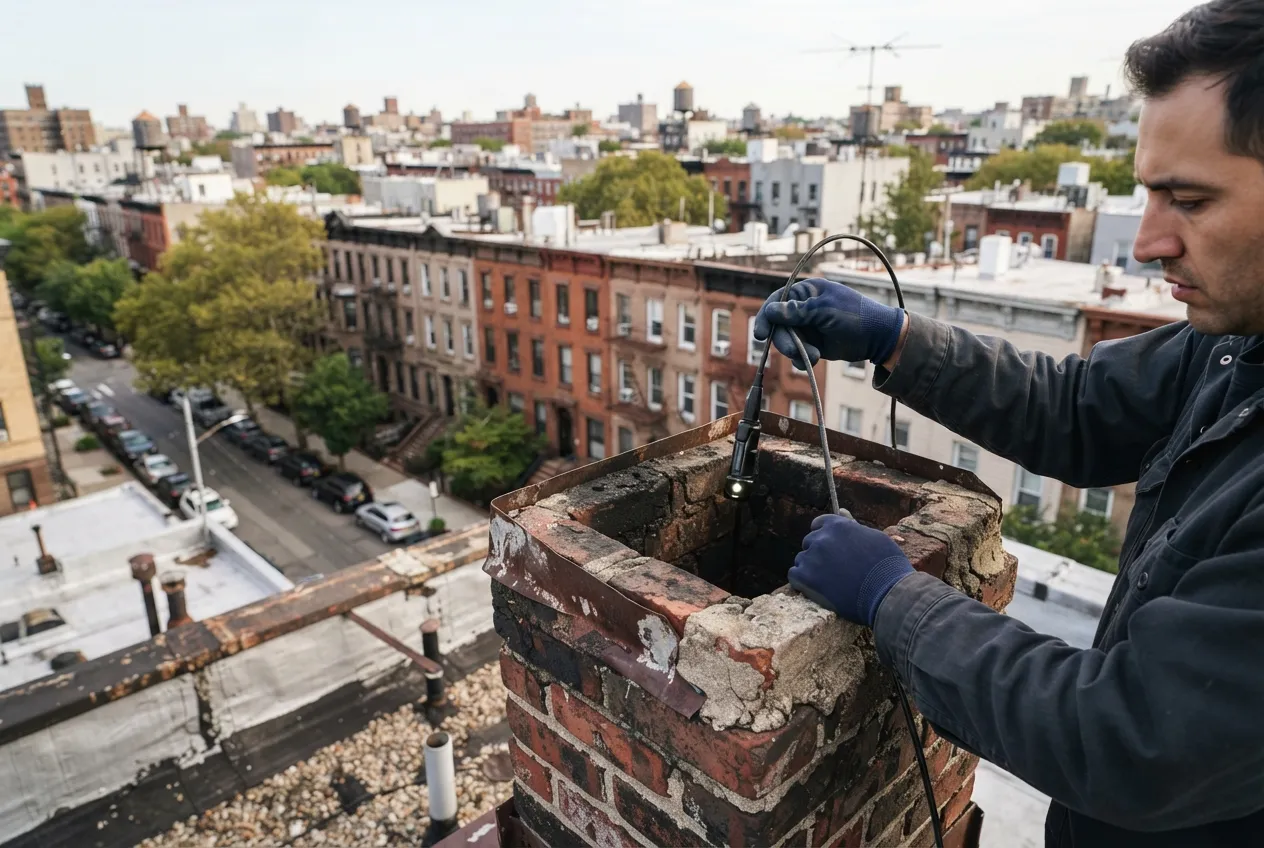
The NFPA 211 standard calls for chimneys, fireplaces, and vents to be inspected once a year. A Level 1 inspection fits when nothing has changed. A Level 2 inspection is the right choice when you add a new appliance, switch fuels, or buy or sell the property. A Level 3 inspection is reserved for cases where a suspected hidden hazard can only be reached by opening part of the chimney or building. We will tell you which level makes sense for your situation and why.
- Chimney sweeping to remove soot and creosote from wood-burning fireplaces
- Chimney inspections at the level your system calls for
- Masonry repair and chimney rebuilding when brick and mortar have failed
- Fireplace and damper repair for units that will not open, close, or seal
Oil-to-Gas Conversions and Chimney Liners
Boiler conversions are common in Manhattan's older buildings. When a New York City building converts its boiler from oil to gas, the chimney has to be evaluated as part of the work. A new liner is often needed because gas exhaust produces acidic condensate that can corrode an unlined or poorly lined masonry flue.
If you are planning a conversion or replacing a boiler or water heater, it helps to have the chimney looked at early so the liner work can be planned alongside the rest of the project. We install chimney liners sized for the appliance they will serve and can explain what we find in the existing flue.
Weather, Water, and Your Chimney
New York winters bring repeated freezing and thawing, and that cycle is hard on masonry. Water soaks into brick and mortar joints, freezes, expands, and slowly pushes material apart. Wind-driven rain and snow from coastal storms add more moisture, and humid summers do not give a damp chimney much chance to dry out.
Rooftop chimneys in a dense neighborhood also take a beating from wind and are easy to ignore because few people see them up close. A missing cap lets in rain, debris, and birds. A rusted chase cover can send water straight into the structure below.
- Chimney caps to keep out rain, debris, and animals
- Chase covers for framed chimneys
- Chimney waterproofing to reduce water absorption in masonry
- Crown and mortar repair before small cracks become larger problems
Time for your annual chimney check?
Timing Work Around Heat Season
New York City's heat season runs from October 1 through May 31, when building owners must keep apartments heated to the city's minimum temperatures. For buildings that rely on a boiler venting through a masonry chimney, that schedule leaves little room for surprises in the middle of winter. Booking inspections and repairs in late spring or summer gives you time to address problems before the heating system is needed again.
Dryer Vent and Air Duct Cleaning
According to the U.S. Fire Administration, failure to clean is the leading factor contributing to clothes dryer fires in homes. Long or crowded vent runs, common in apartments and converted buildings, collect lint quickly. If your dryer takes longer than it used to or the laundry area feels unusually warm, the vent should be checked and cleaned.
For air ducts, we follow the practical guidance from the U.S. EPA: cleaning makes sense when there is substantial visible mold growth, signs of vermin, or excessive dust and debris. The EPA also notes that duct cleaning has not been shown to prevent health problems, and it advises caution with very cheap advertised offers and with chemical treatments. We will explain what we see and what we recommend before any work begins.
Nearby Areas We Also Serve
Along with East Village, we work in the Financial District, Downtown Brooklyn, DUMBO, Boerum Hill, and Brooklyn Heights. If you manage properties in more than one of these neighborhoods, we can help you keep inspections and maintenance on a consistent schedule.
ZIP codes we serve
- 10003
- 10009