The short answer
All Star Chimney Sweep serves Clinton Hill, about 2 miles east of our Brooklyn office. We sweep, inspect, repair, reline and waterproof chimneys in the neighborhood's brownstones, rowhouses and pre-war buildings. We also clean dryer vents and air ducts.
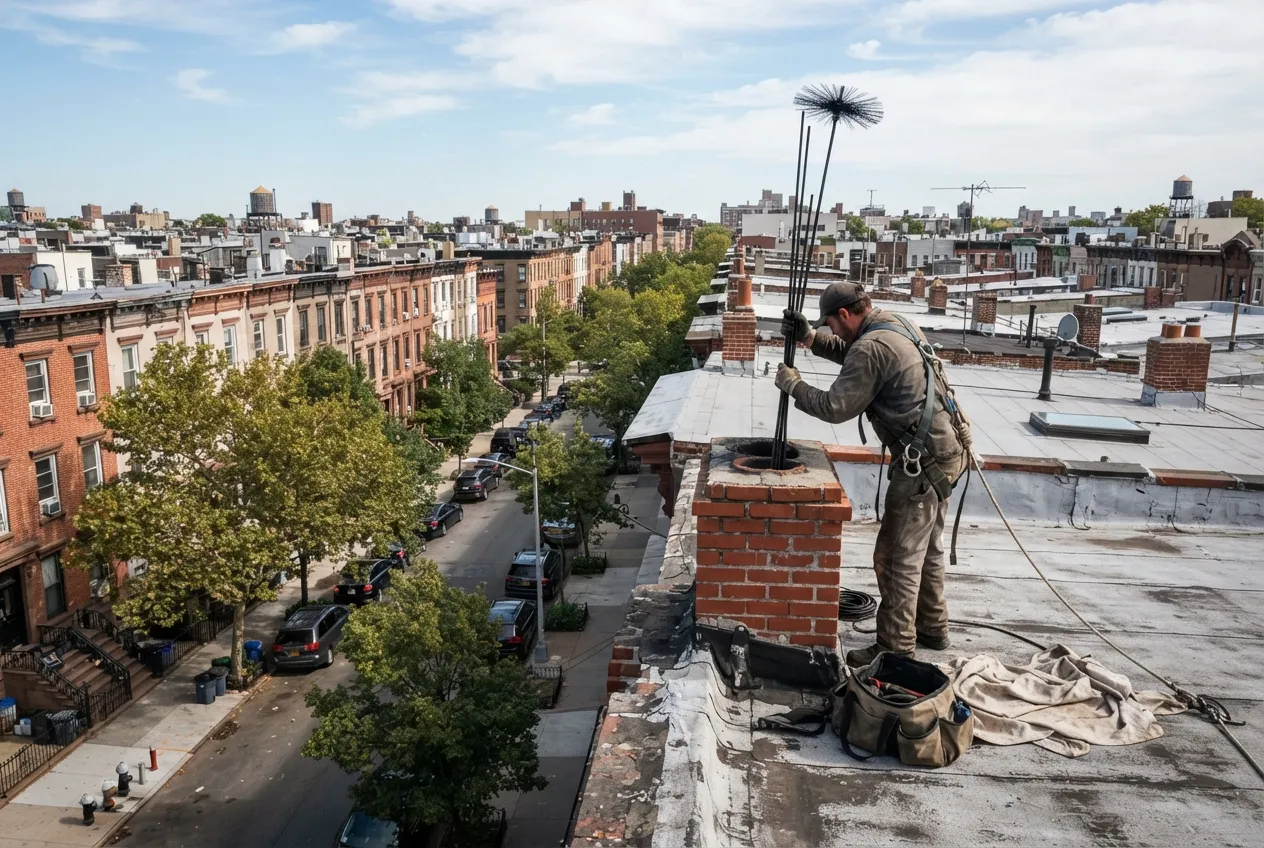
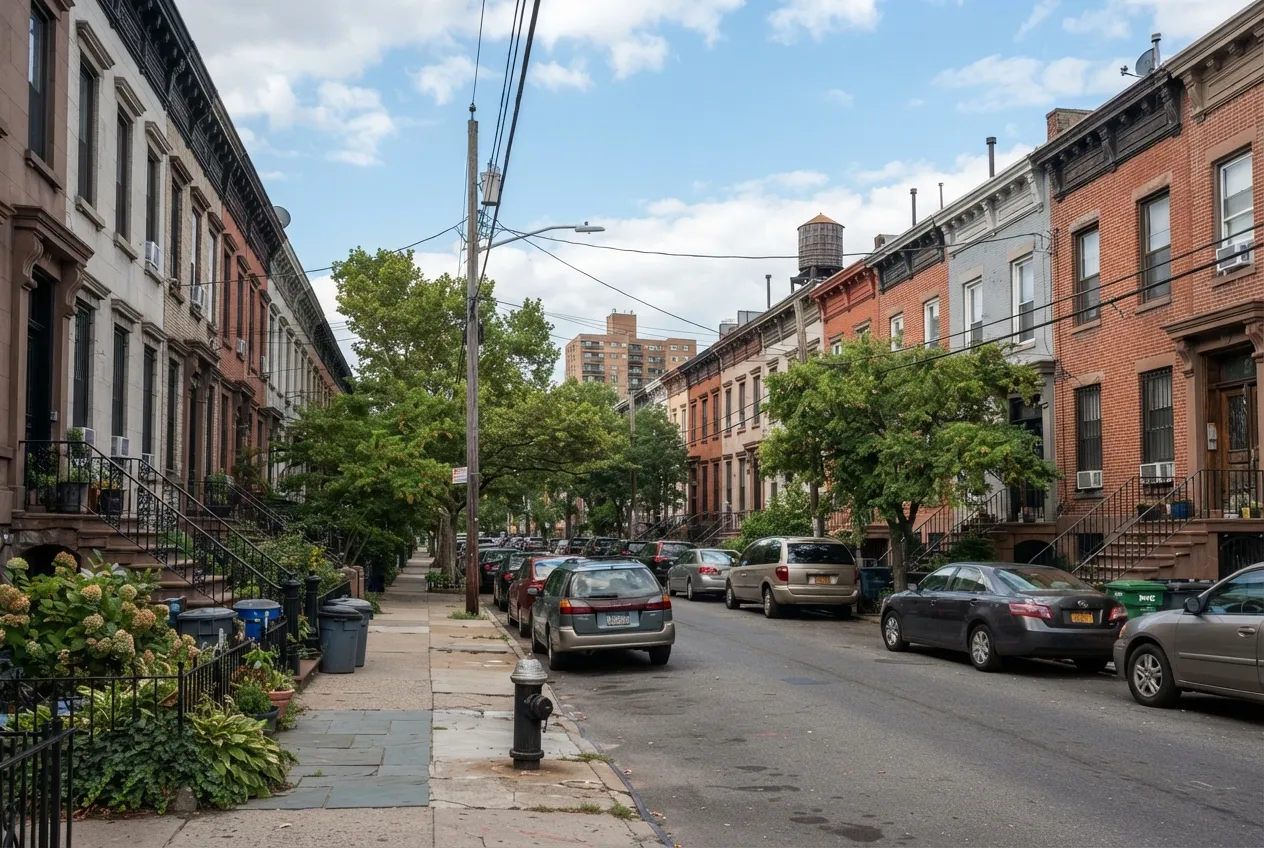
Clinton Hill is about 2 miles east of our Brooklyn office, close enough that our crews know the neighborhood's housing well. Much of it is older: brownstones and rowhouses with shared walls, pre-war apartment buildings with tall boiler chimneys, and a smaller number of detached homes. Over the decades, many of these masonry chimneys have served decorative fireplaces, wood-burning fireplaces, and oil or gas boilers, sometimes all three. All Star Chimney Sweep handles the full range of chimney and venting work here, from a routine sweep before winter to relining a flue after a boiler conversion. Our certified technicians start with what your system actually needs, explain what they find, and leave the work area clean.
Sweeping and Inspection for Brownstones and Rowhouses
A fireplace that sees regular fires builds up creosote. A chimney that sits unused collects nests, leaves and fallen debris. Either one can block the flue or create a fire hazard. A sweep removes that buildup, and an inspection tells you whether the flue, damper, smoke chamber and crown are in sound condition.
The NFPA 211 standard calls for chimneys, fireplaces and vents to be inspected once a year. We use the three inspection levels that are standard in the trade. A Level 1 inspection applies when nothing about the system has changed. A Level 2 inspection applies when you add a new appliance, switch fuels, or buy or sell the home. A Level 3 inspection applies when a suspected hazard is hidden and part of the chimney or wall has to be opened to reach it. In attached rowhouses, where chimneys often run alongside a neighbor's, a Level 2 inspection is a sensible step before a sale closes.
Brooklyn Weather and Aging Masonry
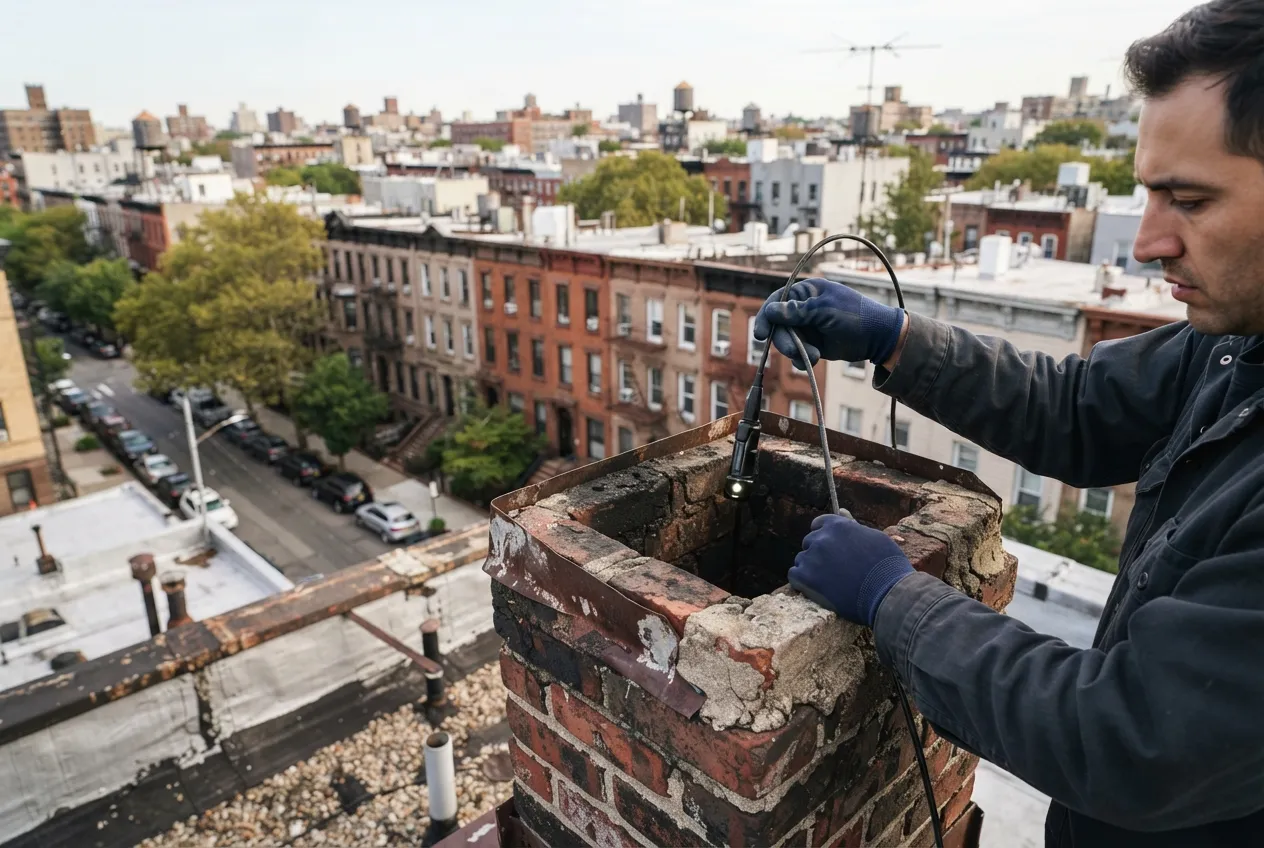
Brooklyn winters swing above and below freezing again and again. Water that soaks into brick and mortar freezes, expands and pushes the masonry apart a little more each cycle. Wind-driven rain from coastal storms and humid summers add to the wear. As a result, older chimneys tend to show the same problems: cracked crowns, loose or missing mortar, spalling brick, and leaks that stain ceilings near the chimney breast.
We address these problems in order of what protects the chimney most. A cap keeps rain, animals and debris out of the flue, and a chase cover does the same job on framed chimneys. Repointing and crown repair close the openings where water gets in. Breathable waterproofing helps brick shed water while still letting trapped moisture escape. When a chimney above the roofline has deteriorated too far to repair, we rebuild it.
Boiler Chimneys, Gas Conversions and Liners
Many brownstones and pre-war apartment buildings in Clinton Hill vent a boiler through a masonry chimney originally built for coal or oil. When a New York City building converts its boiler from oil to gas, the chimney has to be evaluated as part of the work. A new liner is often needed, because gas exhaust produces acidic condensate that can corrode a masonry flue.
We inspect the flue, install a liner sized for the appliance, and coordinate timing with your heating contractor. New York City's heat season runs from October 1 through May 31. During that period, building owners must keep apartments heated to the city's minimum temperatures. For that reason, it makes sense to schedule liner and boiler chimney work in late spring or summer.
Time for your annual chimney check?
Dryer Vent and Air Duct Cleaning
According to the U.S. Fire Administration, failure to clean is the leading factor contributing to clothes dryer fires in homes. In rowhouses and apartments, dryer vents often run long distances or take tight turns before reaching the outside, which makes lint buildup more likely. Warning signs include clothes taking longer to dry, a hot laundry area, or a burning smell.
For air ducts, we follow the U.S. EPA's guidance. Cleaning makes sense when there is substantial visible mold growth, evidence of vermin, or excessive dust and debris. The EPA also notes that duct cleaning has not been shown to prevent health problems, so we won't claim that it does. We explain the process before we start, and we use chemical treatments only when there is a clear reason and you agree to it.
Services in Clinton Hill and Nearby Neighborhoods
We also serve the neighborhoods around Clinton Hill, including Fort Greene, Prospect Heights, Downtown Brooklyn, DUMBO and Boerum Hill. Our services include:
- Chimney Sweep: creosote, soot and debris removal
- Chimney Inspection: Level 1, 2 and 3 inspections
- Chimney Repair: crowns, mortar joints and damaged brick
- Chimney Liner Installation: for gas conversions and worn flues
- Chimney Cap & Chase Cover: protection from rain and animals
- Chimney Waterproofing: breathable water repellent for masonry
- Fireplace & Damper Repair: dampers, fireboxes and smoke chambers
- Chimney Rebuilding: for chimneys too deteriorated to repair
- Dryer Vent Cleaning: lint removal from the dryer to the exterior
- Air Duct Cleaning: for mold, vermin or heavy dust and debris