The short answer
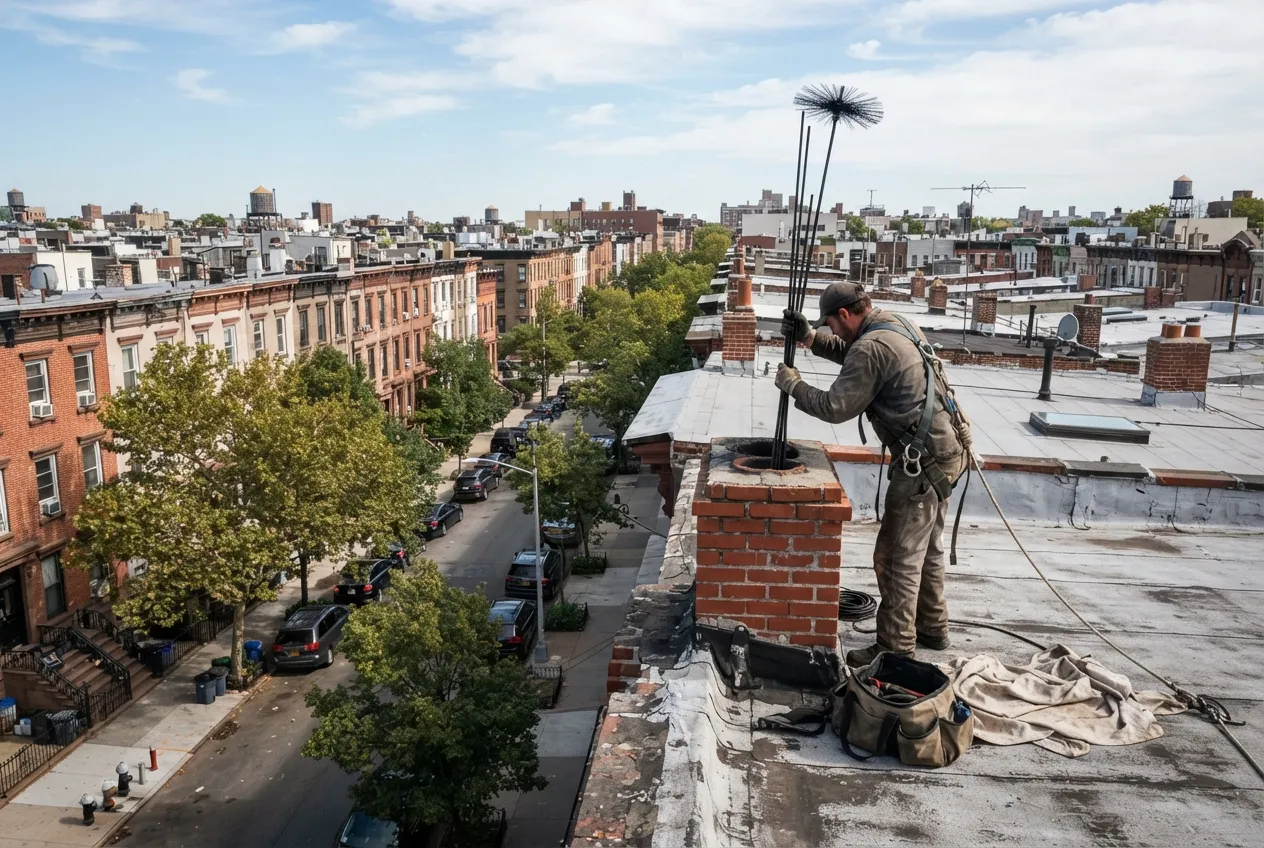
A chimney liner protects the masonry and safely vents exhaust from your boiler, water heater or fireplace. In Carroll Gardens, liners are most often needed when an older flue is cracked or unlined, or when a building converts from oil to gas. Our certified technicians inspect the flue first, then size and install a liner that matches the appliance it serves.
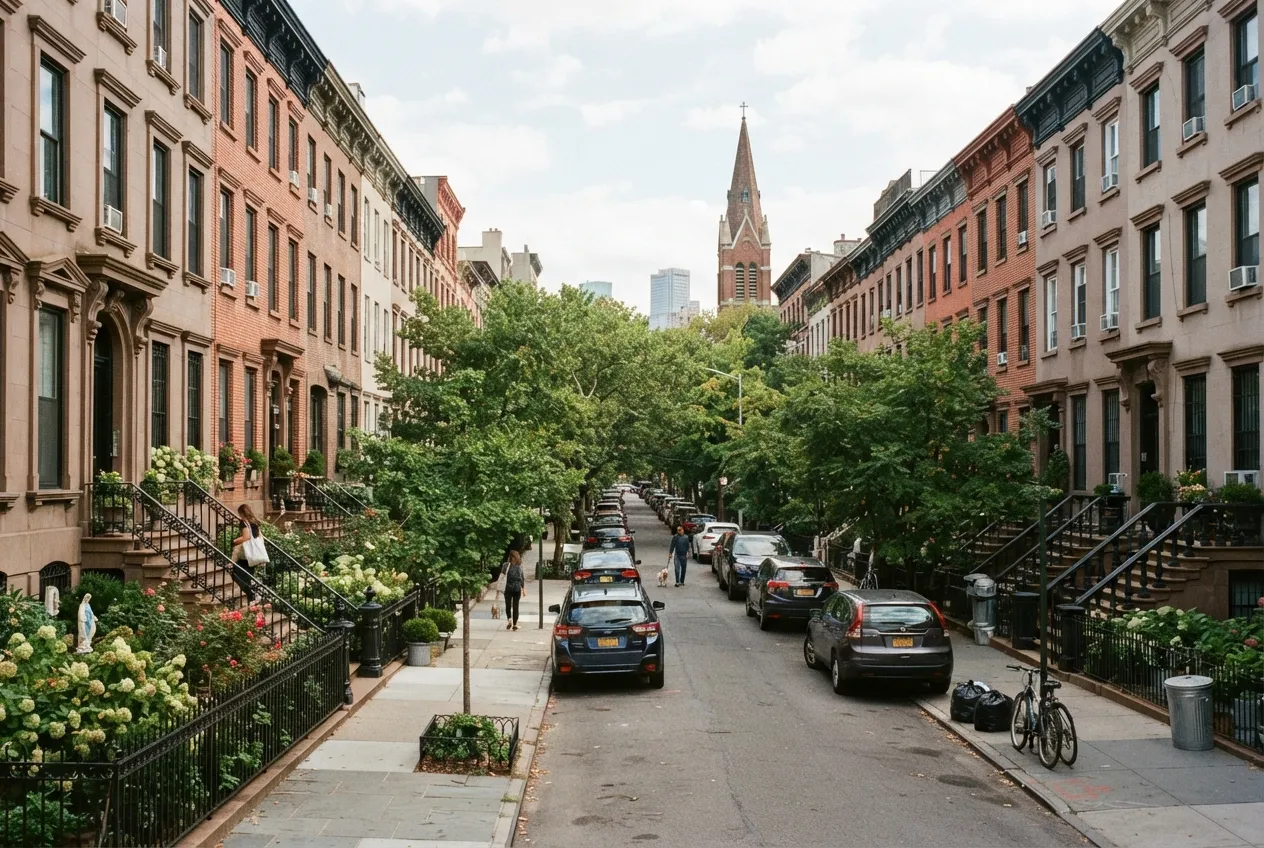
Many homes in Carroll Gardens were built long before today's boilers, water heaters and high-efficiency appliances existed. Brownstones, rowhouses and pre-war apartment buildings often have original masonry flues that are unlined, lined with aging clay tile, or sized for equipment that was replaced long ago. A properly sized liner keeps hot exhaust and corrosive condensate away from the brick and moves combustion gases out of the house. All Star Chimney Sweep's office is at 543 Henry St, so liner work in 11231 is close to home for us. We also install liners in Cobble Hill, Gowanus, Red Hook, Park Slope and Brooklyn Heights.
Why older Carroll Gardens chimneys often need a liner
Masonry chimneys in older Brooklyn homes were built for coal, wood and later oil. Over decades, heat cycles, moisture and acidic exhaust wear down mortar joints and clay flue tiles. Some chimneys never had a liner at all. When the flue is damaged, exhaust can leak into the brick, into wall cavities, or in attached rowhouses toward the shared party wall.
A liner gives exhaust a smooth, sealed path to the top of the chimney. It also keeps the flue the right size for the appliance, which matters for draft. A flue that is too large for a modern boiler or water heater can let exhaust cool too quickly, causing condensation and poor venting.
Converting from oil to gas
Many buildings in the neighborhood have switched, or are planning to switch, from oil heat to gas. When a New York City building converts its boiler from oil to gas, the chimney has to be evaluated as part of the work. A new liner is often needed because gas exhaust produces acidic condensate that can corrode a masonry flue.
If your plumber or heating contractor is handling the conversion, we can coordinate with them on the chimney so the liner is sized for the new equipment and the venting is ready when the boiler is.
Inspection comes first
The NFPA 211 standard calls for chimneys, fireplaces and vents to be inspected once a year. Chimney professionals use three inspection levels. A Level 1 inspection fits a system that has not changed. A Level 2 inspection is called for when the system changes, such as a new appliance or a switch of fuel, or when the home is sold. A Level 3 inspection is used when a hidden hazard can only be reached by opening part of the chimney or building.
Before recommending a liner, we look at the flue's condition, its dimensions, the appliances connected to it, and the route from the basement or fireplace to the roof. That tells us whether a liner is needed and what type fits.
Time for your annual chimney check?
What the installation involves
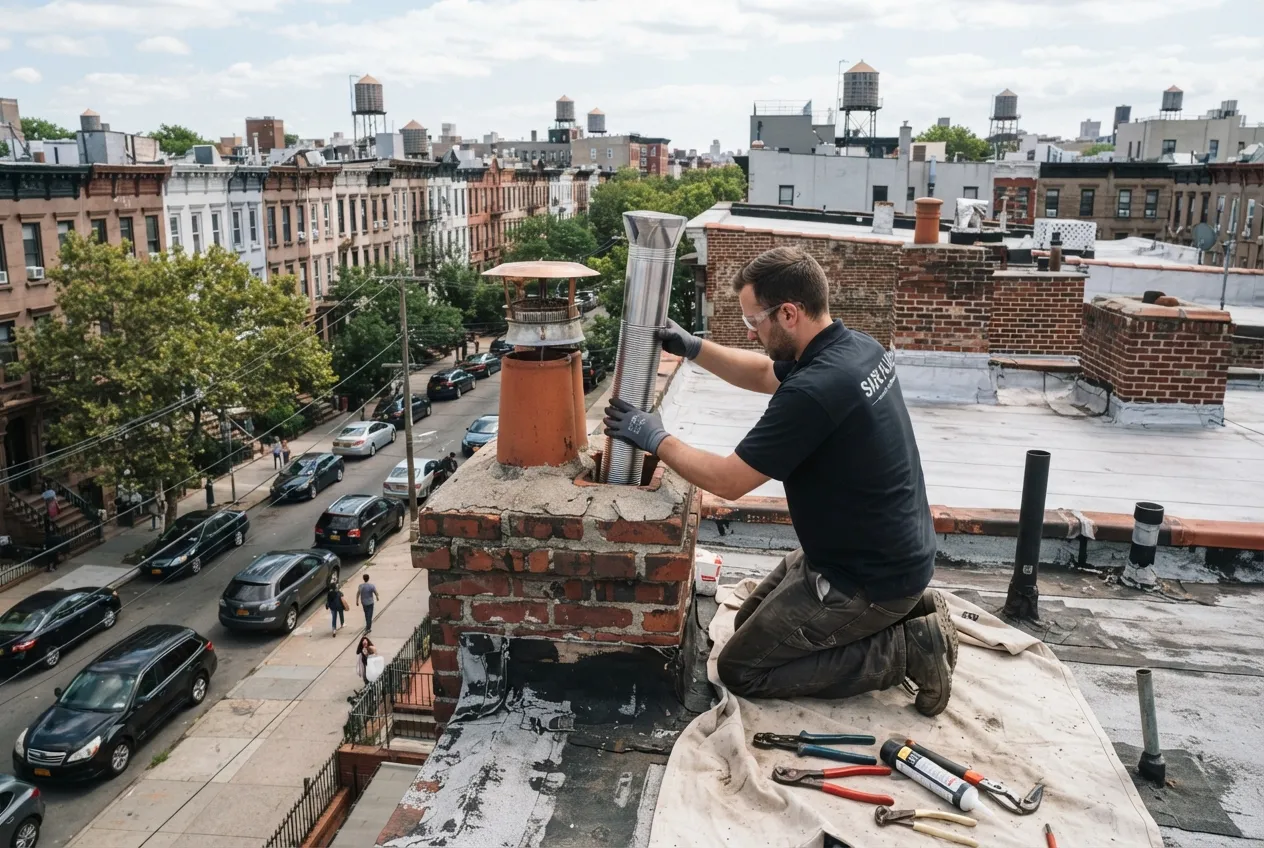
Most liner jobs in brownstones and rowhouses are done from the roof down, with work at the appliance connection in the basement or at the fireplace. A typical installation includes:
- Cleaning the existing flue so the liner goes into a clear passage
- Measuring the flue and matching liner size to the appliance's venting needs
- Lowering the liner through the chimney and securing it at the top and bottom
- Connecting the liner to the boiler, water heater or fireplace
- Fitting a cap to keep out rain, debris and animals
- Checking draft once the appliance is running
Choosing the right liner
Stainless steel liners are a common choice for gas and oil appliances because they can be sized precisely and handle corrosive exhaust. Wood-burning fireplaces have different requirements, and some damaged masonry flues call for other repair methods. We explain the options that suit your chimney and the appliance it serves, so you know why a particular liner is recommended.
Planning around heat season
New York City's heat season runs from October 1 through May 31, when building owners must keep apartments heated to the city's minimum temperatures. If you own a multi-unit building or rent out part of your brownstone, schedule liner work in late spring or summer when possible, so the boiler is ready before fall. If a problem comes up during winter, we work to keep heating downtime short.
More services in Carroll Gardens
- Chimney Sweep in Carroll GardensLocal service & repairs
- Chimney Inspection in Carroll GardensLocal service & repairs
- Chimney Repair in Carroll GardensLocal service & repairs
- Air Duct Cleaning in Carroll GardensLocal service & repairs